Please fill out the form below to request a quote or to request more information about us. please be as detailed as possible in your message, and we will get back to you as soon as possible with a response. we're ready to start working on your new project, contact us now to get started.
Beyond Blueprinting: The Certified Quality Regimen Of A Top Turbocharger Parts Supplier
2026-01-21
YUSEN Power
49
In the high-performance world of turbocharger manufacturing, precision and reliability aren’t just goals—they’re non-negotiable standards. But what truly sets a leading turbocharger parts supplier apart isn’t just their technical blueprints; it’s their unwavering commitment to a certified quality regimen that drives every step of their production process. In this article, we delve beyond the initial designs to uncover the rigorous quality systems, certifications, and innovative practices that ensure each component not only meets but exceeds industry expectations. Join us as we explore how top suppliers elevate their parts from well-drawn plans to trusted performance under pressure.
Understanding the Limitations of Traditional Blueprinting in Turbocharger Manufacturing
In the competitive landscape of automotive components manufacturing, particularly within the realm of turbochargers, the quest for precision, durability, and efficiency is relentless. Turbocharger parts suppliers and turbo suppliers play a vital role in ensuring that turbo units perform optimally under extreme conditions. Historically, blueprinting—meticulously drafting detailed manufacturing plans and specifications—has served as the backbone of quality control processes in turbocharger manufacturing. However, while blueprinting provides a foundational guideline, relying solely on traditional blueprinting methods introduces several limitations that impede achieving the highest standards demanded by modern engines.
At its core, blueprinting aims to document the exact dimensions, tolerances, and assembly procedures necessary for crafting turbocharger components such as turbine wheels, compressor wheels, housings, and shafts. This process focuses on replicating the original equipment manufacturer’s (OEM) specifications, providing turbocharger parts suppliers with technical instructions designed to minimize variation between parts. Despite the importance of this approach, traditional blueprinting faces significant challenges when confronted with evolving industry demands, increasingly complex turbo designs, and the need for superior performance.
One of the primary limitations of traditional blueprinting is its inherent reliance on static, two-dimensional documentation. While highly detailed, blueprints capture measurements and specifications at a singular point in time. They do not accommodate dynamic factors such as microstructural material inconsistencies, thermal expansion effects during operation, or subtle variations introduced by manufacturing processes like precision casting or high-speed machining. Consequently, turbo suppliers who depend strictly on blueprint dimensions risk overlooking critical deviations that affect balance, durability, and flow efficiency.
Furthermore, blueprinting typically emphasizes dimensional accuracy without fully integrating functional performance criteria or real-world operating conditions into the quality assurance framework. Turbochargers are subjected to rapid temperature fluctuations, extreme rotational speeds often exceeding 150,000 RPM, and corrosive exhaust gases. Traditional blueprints provide no direct insight into the impact of these stresses on part longevity or reliability, making it difficult for suppliers to proactively predict failures or optimize designs for enhanced resilience.
Additionally, the blueprint-driven approach is often constrained by its linear, sequential nature. Changes or improvements to a turbocharger design require manual revisions and extensive communication loops among engineering, manufacturing, and quality teams. This results in slower response times and increased potential for misinterpretation or error. For turbocharger parts suppliers that need to stay agile in a market where incremental improvements can substantially influence engine performance and emissions compliance, these inefficiencies can translate into a competitive disadvantage.
Another critical aspect overlooked by traditional blueprinting is the integration of advanced metrology and inspection technologies. Modern turbo suppliers are increasingly leveraging 3D scanning, digital twin modeling, and automated precision measurement systems to complement or even supersede the static nature of blueprint specifications. These technologies provide comprehensive data on geometric deviations, surface roughness, and material properties, enabling a more holistic understanding of product quality beyond nominal dimensions. When combined with a certified quality regimen, such as ISO/TS 16949 or IATF 16949 standards tailored for automotive suppliers, these digital tools empower turbocharger parts suppliers to drastically improve repeatability and product consistency.
Moreover, traditional blueprinting does not readily support predictive analytics or data-driven quality assurance. In today’s manufacturing environment, data from production lines, inspection reports, and field performance feedback can be aggregated to inform continuous improvement. Turbo suppliers utilizing only blueprint specifications risk missing opportunities to employ process controls, root-cause analyses, and machine learning models that could anticipate defects before they occur, ultimately reducing waste and warranty claims.
Exploring the Certified Quality Standards in Turbocharger Parts Supply
In the competitive world of automotive components, particularly in the niche yet critical segment of turbocharger parts, quality assurance plays a pivotal role in defining the reputation and reliability of suppliers. Turbocharger parts suppliers, often known simply as turbo suppliers, serve as the backbone for high-performance and efficiency-driven engines across various vehicle types. Exploring the certified quality standards governing these suppliers provides crucial insight into how industry leaders maintain product excellence beyond mere blueprinting or initial design specifications.
Turbocharger components, ranging from compressor wheels and turbine housings to shaft assemblies and seals, must withstand extreme conditions including high rotational speeds, thermal stress, and significant mechanical load. As such, turbocharger parts suppliers adhere to stringent quality management systems to ensure consistent performance and durability. Central to this is the adoption and maintenance of internationally recognized quality certifications such as ISO 9001, IATF 16949, and occasionally additional industry-specific accreditations that validate a supplier’s capability to meet automotive manufacturing demands.
ISO 9001 is the fundamental quality management system standard that underpins much of the turbo suppliers' operational framework. This certification ensures that suppliers implement documented processes for quality control, continuous improvement, and customer satisfaction. For turbocharger parts suppliers, this involves rigorous incoming material inspections, precision laser cutting, CNC machining, and finishing tests to guarantee components consistently meet exacting tolerance levels. The ISO 9001 standard offers a structured approach, which mitigates risks associated with product defects, delivery delays, and non-compliance with client specifications.
Beyond certifications, certified turbocharger parts suppliers also invest heavily in modern inspection technologies and testing equipment. Advanced metrology, including Coordinate Measuring Machines (CMM), optical comparators, and surface roughness testers, allow suppliers to verify minute details that impact turbocharger efficiency and longevity. Non-destructive testing methods such as X-ray and ultrasonic inspection are often employed to detect internal flaws that could lead to premature part failure. By integrating these technologies within a certified quality system, turbo suppliers ensure that every batch of turbocharger components meets both the blueprint specifications and rigorous real-world performance criteria.
Moreover, the certified quality standards extend to supplier evaluation and supply chain management. Recognizing that quality begins with the selection of raw materials and subcontracted services, top turbo suppliers implement comprehensive supplier audits and qualifications. Materials such as high-grade stainless steel alloys or titanium require certifications of origin and conformance to chemical composition parameters. Continuous monitoring of supply chain partners helps ensure that every input component adheres to the established quality thresholds that ultimately affect the finished turbocharger parts reliability.
Effective documentation and record-keeping form another integral aspect of certified quality standards. Detailed work instructions, inspection reports, corrective action records, and traceability logs are maintained meticulously by certified turbocharger parts suppliers. This level of documentation supports root cause analysis during non-conformance investigations and facilitates regulatory audits. It also enables suppliers to provide transparent quality assurance reports to turbocharger manufacturers and aftermarket distributors, building trust and long-term partnerships within the automotive industry.
In sum, exploring the certified quality standards in turbocharger parts supply reveals a sophisticated, multi-layered approach to quality that transcends mere design blueprints. The fusion of international certifications, technological advancements in inspection, stringent supply chain oversight, and comprehensive documentation together form the certified quality regimen that top turbo suppliers embrace. This rigorous quality framework not only ensures that turbocharger components meet performance and safety criteria but also solidifies the supplier’s standing in a highly demanding marketplace where product integrity is paramount.
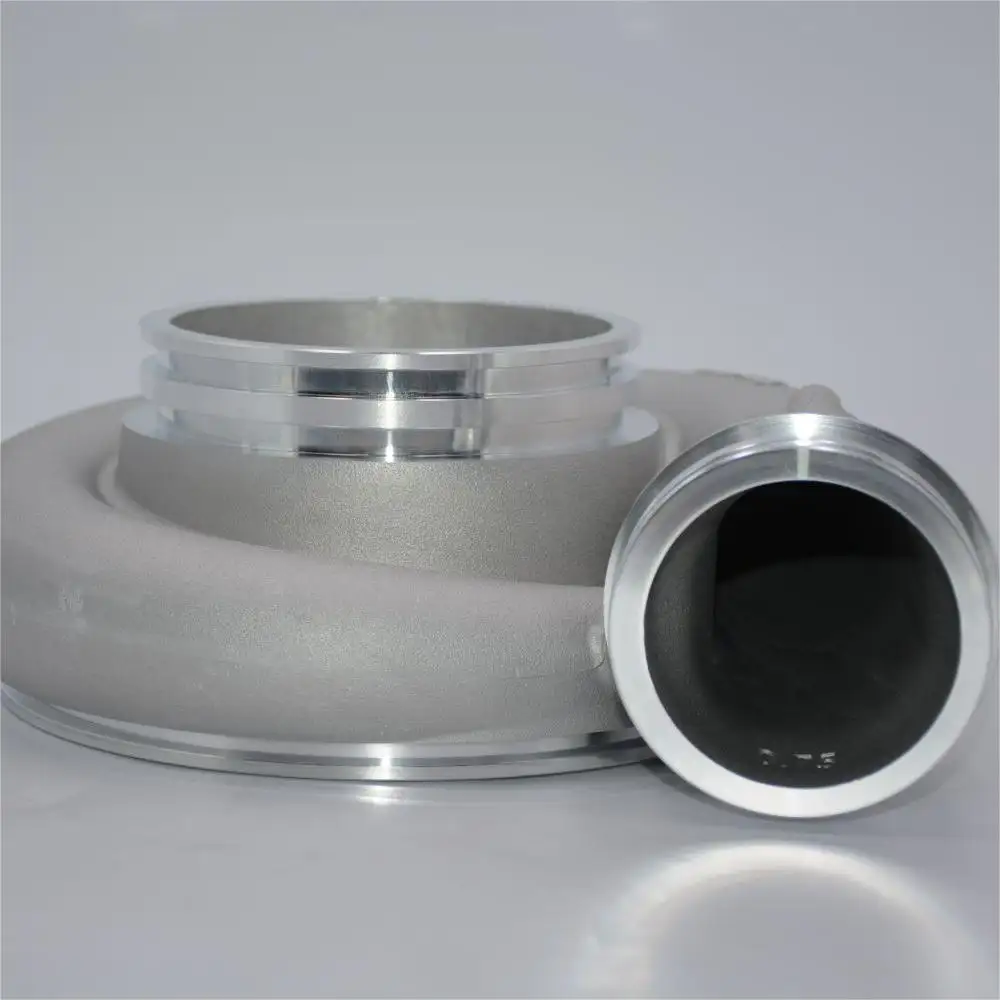
Innovative Quality Assurance Practices Beyond Conventional Methods
At the heart of this transformation is the integration of cutting-edge technologies and systematic processes tailored specifically to the unique challenges of turbocharger parts manufacturing. Unlike general manufacturing sectors, turbocharger components — such as turbine wheels, compressor housings, and shaft assemblies — require precision machining combined with material integrity and aerodynamic efficiency. Any deviation from design specifications can drastically affect performance, durability, and safety. Therefore, a top turbocharger parts supplier embraces quality assurance as an end-to-end, data-driven discipline rather than a static checkpoint.
One of the core innovations is the implementation of advanced metrology systems that complement, or even replace, traditional blueprint-based verifications. Coordinate Measuring Machines (CMMs) equipped with tactile and optical sensors provide highly accurate dimensional analysis. Coupled with laser scanning and 3D optical profiling, these tools enable turbo suppliers to scrutinize the minute details of complex geometries and surface finishes which are critical to turbocharger efficiency. This level of scrutiny is vital for detecting potential flaws such as micro-cracks, surface roughness variances, or structural inconsistencies that conventional gauges might miss.
Complementing physical inspections, modern turbocharger parts suppliers also deploy predictive analytics and real-time monitoring systems throughout the manufacturing process. Sensors embedded in CNC machines and assembly lines collect vast amounts of performance data — including vibration signatures, temperature readings, and cycle times — that feed into AI-driven platforms. These platforms analyze patterns and predict risks of defects or equipment failures before they occur. By catching anomalies early, quality teams can intervene proactively, reducing scrap rates and minimizing costly rework.
Further pushing the boundaries of quality assurance, some turbo suppliers are integrating additive manufacturing (AM) techniques into their prototyping and production stages. AM allows for rapid iteration of complex component designs, including internal channels and aerodynamic features that are difficult to machine conventionally. To maintain quality standards, suppliers use nondestructive testing (NDT) methods such as ultrasonic, radiographic, or eddy current inspections specifically adapted for AM parts. These innovative QA techniques ensure the structural integrity of components fabricated layer-by-layer, which can be prone to porosity or residual stresses if unchecked.
Moreover, cutting-edge quality procedures within certified quality regimens emphasize supplier collaboration and traceability through advanced digital tools such as blockchain and IoT-enabled supply chain management. Turbocharger parts suppliers embed digital twins — virtual replicas of physical components — into their production ecosystems. These twins simulate real-time performance and lifecycle behavior, enabling engineers to forecast maintenance needs, optimize designs, and validate every part against its exact manufacturing history and process parameter set. Such traceability is invaluable in industries like automotive and aerospace where turbo parts must adhere to the highest reliability standards.
Beyond the technical advancements, innovative QA approaches also extend to workforce training and cultural shifts. Recognizing that human expertise is irreplaceable, leading turbo suppliers invest in continuous education around quality best practices, root cause analysis, and lean manufacturing principles. This fosters a proactive quality culture rather than reactive quality control, empowering employees to identify improvement opportunities and drive innovation collectively.
In summary, the evolution of quality assurance practices beyond conventional blueprinting marks a fundamental change for turbocharger parts suppliers. By synthesizing advanced metrology, predictive analytics, additive manufacturing validation, digital traceability, and workforce empowerment, these turbo suppliers not only meet the highest certifiable standards but also push the frontier of quality and reliability in their components. This comprehensive, technology-enabled approach sets a new benchmark in the turbocharger parts industry, ensuring customers receive products that excel in performance and durability under the most demanding operating conditions.
The Role of Certification in Enhancing Supplier Reliability and Performance
In the highly competitive and precision-driven realm of automotive components manufacturing, particularly in the niche of turbocharger parts, the reliability and performance of suppliers play a pivotal role in a manufacturer’s success. As turbocharger technology continues to evolve, demanding tighter tolerances and impeccable quality, turbo suppliers face immense pressure to not only meet but exceed stringent industry standards. Within this context, certification emerges as a crucial mechanism that turbocharger parts suppliers leverage to augment their operational reliability and overall performance.
One of the foremost ways certification enhances supplier reliability is by embedding a culture of continuous improvement and process discipline throughout the supplier’s operations. For turbocharger parts manufacturers, this means stringent quality controls are implemented across every production stage—from raw material procurement and machining to assembly and final inspection. Certification programs usually require suppliers to establish robust measurement and monitoring systems, procedural compliance checks, and rigorous audit mechanisms. As a result, turbo suppliers develop an ingrained ability to detect process deviations early, minimize defects, and ensure consistent product quality.
Moreover, certified turbocharger parts suppliers benefit from enhanced traceability and accountability. In turbocharger manufacturing, even minuscule deviations can lead to performance inefficiencies or premature failures, directly impacting vehicle performance and customer satisfaction. Certification mandates thorough documentation and record-keeping, enabling suppliers to track the production history of each batch or individual component. This traceability not only facilitates quick root cause analysis and corrective actions in the event of a defect but also fosters trust between the turbo suppliers and their OEM or aftermarket customers.
Performance improvements are not limited solely to product quality; certification also drives operational efficiencies that impact delivery times, cost structures, and responsiveness. Certified turbocharger parts suppliers adopt lean manufacturing principles and high-standard operational procedures as part of their compliance requirements. This streamlining reduces waste, optimizes logistics, and enhances supply chain coordination, thereby enabling turbo suppliers to meet tight delivery schedules and fluctuating demand without compromising quality. Clients, in turn, perceive such suppliers as reliable partners capable of supporting just-in-time manufacturing environments essential to modern automotive production lines.
Certification also plays a strategic role in differentiation and competitive advantage. In an industry where price pressures and technological innovation continuously challenge suppliers, being certified is often a prerequisite for consideration by OEMs and tier-one manufacturers. It effectively serves as a benchmark signaling that the turbo supplier possesses the expertise, controls, and systems necessary to meet rigorous quality demands. Suppliers investing in certification can access broader markets and foster long-term partnerships, as certification demonstrates their commitment to quality excellence, regulatory compliance, and risk mitigation.
From a risk management perspective, certification further reduces potential liabilities associated with turbocharger component failures. Certified turbo suppliers uphold stringent risk assessment procedures, failure mode analysis, and comply with safety and environmental regulations. This comprehensive adherence minimizes the chances of defective parts reaching the end consumer, thereby protecting brand reputation and reducing costly product recalls or warranty claims. For turbocharger manufacturers engaged in high-volume and high-reliability markets, such as commercial vehicles or performance cars, selecting certified suppliers is often aligned with broader corporate quality and safety mandates.
Finally, certification promotes technological advancement within the turbocharging sector. As manufacturers seek to develop parts capable of handling higher boost pressures, elevated temperatures, and increased rotational speeds, certified turbo suppliers are better positioned to implement cutting-edge quality assurance tools such as statistical process control (SPC), advanced metrology, and digital quality management systems. These innovations, often prerequisites for maintaining certifications, empower turbo suppliers to push the boundaries of precision manufacturing and deliver components that meet the evolving demands of engine downsizing and emissions regulations.
The certified quality regimen adopted by top turbocharger parts suppliers thus represents more than a mere adherence to standards—it symbolizes a comprehensive operational philosophy geared toward reliability, performance optimization, and customer trust. For turbo suppliers, investment in certification programs translates into tangible benefits that underpin their capability to deliver high-quality, reliable turbocharger parts, ensuring their clients can maintain superior vehicle performance and durability.
How Leading Turbocharger Suppliers Set the Benchmark for Quality Excellence
In the competitive world of automotive and industrial performance enhancement, the role of turbochargers is undeniably pivotal. As demand for higher efficiency, durability, and performance escalates, it becomes imperative to understand how leading turbocharger parts suppliers distinguish themselves in quality excellence. These turbo suppliers don’t just produce components; they set stringent standards, pushing the boundaries well beyond conventional blueprinting by embracing a certified quality regimen that governs every stage of production and supply.
At the core of quality excellence is a meticulously defined and executed quality management system that ensures consistency, traceability, and reliability. Top-tier turbocharger parts suppliers are renowned for integrating internationally recognized standards such as ISO/TS 16949 or the latest IATF certifications, which provide a structured framework emphasizing continuous improvement and defect prevention rather than merely detecting flaws after production. These standards compel suppliers to adopt rigorous planning, execution, and evaluation processes while fostering a culture that prioritizes quality at every stage.
One of the hallmarks of these leading turbo suppliers is their investment in cutting-edge technology and state-of-the-art testing equipment. Turbochargers operate under extreme conditions—high rotational speeds, exteme temperatures, and persistent vibration—so the components must withstand rigorous stresses while maintaining peak performance. To meet these demands, suppliers utilize advanced methods such as coordinate measuring machines (CMM) for precision metrology, non-destructive testing (NDT) techniques like X-ray or ultrasonic inspection to detect subsurface flaws, and dynamic balancing equipment that ensures rotors maintain equilibrium under operation. This technological edge allows suppliers to spot potential deviations early and eliminate defects that could compromise the final product.
Moreover, leading turbocharger parts suppliers go beyond raw manufacturing quality by forging close collaborations with their original equipment manufacturers (OEM) and end-users. These partnerships enable turbo suppliers to tailor component design and testing protocols based on real-world operational data, creating feedback loops that enhance product robustness. Quality assurance for these suppliers involves comprehensive validation, including lifecycle testing under simulated conditions replicating actual engine environments. This level of rigorous testing—far beyond what's outlined in traditional blueprints—ensures turbocharger parts perform reliably throughout their intended service life, thereby reducing warranty claims and enhancing brand reputation.
Material selection and process control are other critical facets where top turbo suppliers excel. Given that turbocharger components are frequently exposed to thermal cycling and corrosive gases, material brittleness or fatigue could result in premature failure. Excellence in quality means adopting advanced metallurgy techniques, sourcing top-grade alloys, and implementing strict process controls such as controlled environment machining and heat treatment. These steps guarantee that microstructural integrity and mechanical properties meet or exceed stringent performance benchmarks, safeguarding product longevity and safety.
In addition, the human factor plays a decisive role in driving quality standards forward. Leading turbocharger parts suppliers maintain highly skilled technical teams whose expertise is continually refined through training and certification programs. Quality engineers, production managers, and inspectors collaborate seamlessly to standardize operating procedures, minimize variability, and champion best practices. Employee empowerment through quality circles and root cause analysis sessions often leads to innovation in process improvements, further cementing the supplier’s reputation for delivering excellence.
Digital transformation is another notable aspect reshaping the quality landscape in turbo supplies. Many top turbocharger parts suppliers leverage Industry 4.0 tools such as IoT-enabled sensors, big data analytics, and real-time monitoring to create smart manufacturing environments. These technologies enable predictive maintenance, reduce downtime, and enhance precision in part manufacture—resulting in consistent output quality and reduced scrap rates. The ability to rapidly collect, analyze, and react to quality metrics exemplifies how these suppliers transcend traditional blueprinting to embody modern, certified quality regimens.
Finally, transparency and traceability are indispensable pillars of quality assurance upheld by leading turbocharger parts suppliers. Every component batch is thoroughly documented with serial numbers, manufacturing data, and inspection records, enabling swift trace-back if issues arise. This accountability not only facilitates compliance with regulatory demands but also builds trust with customers who can rely on the supplier’s commitment to quality integrity.
By integrating certified quality systems, advanced testing, material science, skilled human capital, innovative technology, and thorough traceability, the top turbo suppliers redefine industry benchmarks. Their ability to deliver reliable, high-performance turbocharger parts impacts vehicle efficiency, emissions standards, and end-user satisfaction—solidifying their position as leaders in quality excellence within this niche but critically important sector.
Conclusion
In summary, our journey beyond blueprinting reflects nearly a decade of unwavering commitment to quality and innovation in the turbocharger parts industry. With 9 years of hands-on experience, we have constantly refined our certified quality regimen to ensure every component not only meets but exceeds industry standards. This dedication has positioned us as a trusted partner for customers seeking reliability and performance. As we continue to evolve, our focus remains on delivering excellence through rigorous certification processes, advanced technologies, and a passionate team—setting new benchmarks for turbocharger parts suppliers worldwide.
Table of Contents
GET IN TOUCH WITH Us
Professional manufacturer of turbochargers and components used for diesel, natural gas engines & engineering machinery.
Useful Links
Products
Contact Us
Add: NO.1060, Antaisan Rd, Houqiao Street, Xishan District, Wuxi, Jiangsu, China