Please fill out the form below to request a quote or to request more information about us. please be as detailed as possible in your message, and we will get back to you as soon as possible with a response. we're ready to start working on your new project, contact us now to get started.
Building A Winning Partnership With Your Turbocharger Supplier: A Procurement Checklist
2026-01-18
YUSEN Power
12
In today’s fast-paced automotive industry, securing a reliable turbocharger supplier is more critical than ever to maintain competitive advantage and ensure top-notch performance. But how do you navigate the complex landscape of procurement to build a partnership that drives success? Our article, “Building a Winning Partnership with Your Turbocharger Supplier: A Procurement Checklist,” offers essential insights and practical guidelines to help you evaluate, select, and collaborate effectively with your supplier. Whether you’re aiming to enhance quality, reduce costs, or speed up delivery, this checklist will equip you with the tools to make informed decisions and foster a lasting, productive relationship. Dive in to discover how strategic procurement can turbocharge your business growth.
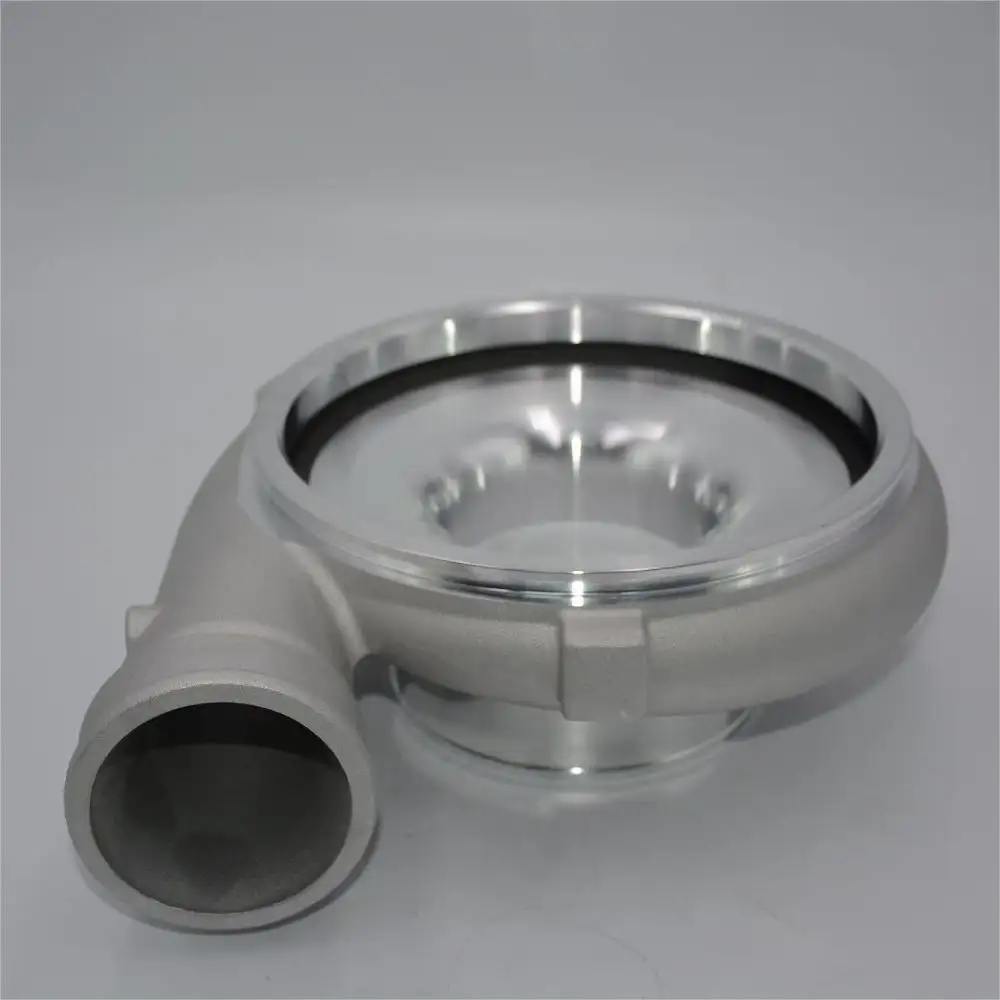
- Understanding the Importance of a Strong Supplier Relationship
**Understanding the Importance of a Strong Supplier Relationship**
In the highly competitive and technically demanding field of automotive and industrial equipment manufacturing, the role of a turbocharger supplier cannot be overstated. Turbochargers are critical components that significantly affect engine performance, efficiency, and emissions. As such, the relationship between a company and its turbo suppliers goes far beyond mere transactional exchanges. Building and maintaining a strong supplier relationship is pivotal to ensuring quality, innovation, cost-effectiveness, and long-term business success.
At its core, a robust partnership with a turbocharger supplier fosters mutual trust and transparency. This foundational trust encourages open communication, making it easier to address unforeseen challenges, optimize product development timelines, and adapt swiftly to changes in market demands or regulatory standards. When turbo suppliers understand the specific needs and strategic goals of their clients—whether they are automotive manufacturers, marine engine producers, or industrial machinery companies—they can tailor solutions that precisely meet those requirements. This customization capability not only enhances product performance but also creates a competitive edge for both parties.
Another critical aspect of nurturing a strong relationship with turbocharger suppliers is quality assurance. Turbochargers operate under extreme conditions involving high speeds, elevated temperatures, and frequent pressure changes. Substandard components can lead to premature failures, increased warranty claims, and reputational damage. Suppliers who are deeply integrated into the procurement and production processes generally implement rigorous quality control measures and continuous improvement initiatives. Furthermore, a collaborative relationship allows buyers to participate in supplier audits and assessments, ensuring the adherence to industry certifications and technical specifications. This proactive quality management significantly reduces risks associated with production delays and product recalls.
Cost efficiency is also a vital benefit arising from a sound supplier relationship. While price is often the initial focus during procurement, over the lifespan of the product series, factors such as logistics optimization, inventory management, and supplier-led innovations substantially impact total cost of ownership. Turbo suppliers that treat clients as partners tend to work on cost reduction strategies collaboratively—through value engineering, material substitutions, or process automation—while safeguarding performance and reliability. This partnership mindset helps both organizations avoid costly surprises, improve forecasting accuracy, and implement just-in-time deliveries that reduce working capital needs.
Innovation is another powerful incentive to build strong ties with turbocharger suppliers. The pace of technological advancements—such as variable geometry turbochargers, electric-assisted turbocharging, and advanced materials—requires close cooperation between buyers and suppliers to develop and commercialize new products rapidly. When a turbo supplier is viewed as an extension of the client’s R&D team, it encourages knowledge sharing, joint engineering projects, and early supplier involvement (ESI) in the design phase. This collaboration leads to faster time-to-market, better product integration, and an enhanced ability to respond to evolving regulatory requirements like stringent emission standards and fuel economy targets.
Moreover, a strategic partnership with a turbocharger supplier often includes after-sales support and service agreements that are essential for ongoing operational efficiency. Reliable turbo suppliers offer technical training, maintenance advice, spare parts availability, and troubleshooting assistance that keep the customer’s production lines running smoothly. When problems arise, immediate support from a trusted supplier minimizes downtime and prevents cascading issues in the supply chain. This level of service builds loyalty and strengthens long-term collaboration.
From a risk management perspective, diversifying and closely managing relationships with multiple turbo suppliers can protect a company from supply chain disruptions caused by geopolitical tensions, natural disasters, or market volatility. Suppliers integrated into the client’s strategic planning can provide early warnings about potential issues and collaboratively devise contingency plans.
In conclusion, the importance of forging a strong relationship with a turbocharger supplier goes beyond securing parts on time and at the right price. It touches on every critical aspect of a successful procurement strategy—from quality assurance, cost control, and innovation to risk management and customer service excellence. Companies that invest in cultivating these partnerships with their turbo suppliers position themselves to build resilient supply chains, develop superior products, and achieve sustainable competitive advantages in today’s fast-evolving markets.
- Key Criteria for Evaluating Turbocharger Suppliers
**Key Criteria for Evaluating Turbocharger Suppliers**
Selecting the right turbocharger supplier is a critical strategic decision for businesses operating in industries such as automotive manufacturing, heavy machinery, and performance engineering. The turbocharger market is competitive and complex, with numerous players claiming expertise in product quality, innovation, and service. When building a winning partnership with your turbocharger supplier, thorough evaluation based on key criteria ensures reliability, performance, and mutual growth. Here, we delve into the essential factors that procurement professionals and engineers must consider when vetting turbo suppliers.
**1. Product Quality and Certifications**
The foremost criterion in evaluating any turbocharger supplier is the quality of their products. Turbochargers endure extreme operating conditions—high temperatures, rapid RPM changes, and intense pressures—so durability and precision manufacturing are paramount. When assessing turbo suppliers, look for those who adhere to recognized industry standards and hold relevant certifications such as ISO 9001 for quality management and ISO/TS 16949 specific to automotive suppliers. These certifications demonstrate that the supplier’s manufacturing processes, quality control measures, and documentation are rigorously maintained to minimize defects.
Beyond certifications, request samples or conduct visits to the supplier’s production facilities to observe their machining technology, assembly line precision, and testing capabilities. Suppliers employing advanced CNC machining, state-of-the-art balancing equipment, and comprehensive end-of-line testing are better positioned to deliver turbochargers that meet or exceed OEM specifications.
**2. Technical Expertise and Innovation Capability**
Turbocharger technology is continually evolving, with advancements targeting improved efficiency, reduced emissions, and enhanced reliability. Partnering with a turbo supplier who invests in research and development (R&D) is essential for businesses aiming to stay competitive. Evaluate the supplier’s R&D infrastructure, including their engineering team expertise, simulation tools, prototype development capabilities, and close collaborations with end-users or OEMs.
Moreover, inquire about the supplier’s track record in innovation — for example, their ability to deliver turbos featuring variable geometry technology, ball bearing systems, or integrated electronics. Suppliers that keep pace with industry trends and technological breakthroughs not only provide immediate product benefits but also offer a future-proof supply chain.
**3. Supply Chain Reliability and Lead Times**
Dependable delivery schedules and consistent supply are vital for maintaining production continuity. When conducting evaluations, scrutinize the turbocharger supplier’s supply chain management and logistics capabilities. Examine their production capacity, inventory management system, and contingency planning for demand fluctuations or raw material shortages.
A quality turbo supplier will provide transparent information on lead times and demonstrate flexibility to ramp production up or down as your business requires. They should also have a robust communication process to inform stakeholders of any potential delays early, allowing for proactive mitigation.
**4. Customization and Engineering Support**
Many customers require custom turbocharger solutions tailored to specific applications or performance targets. Evaluate the supplier’s willingness and ability to collaborate on custom designs, material selections, or packaging requirements. Strong engineering support from the turbo supplier adds value by helping optimize the turbocharger’s integration into your products, improving overall system performance and reliability.
Assess whether the supplier offers pre-sales consulting, prototyping assistance, and post-delivery technical support. Suppliers that are merely transactional vendors may limit your project’s potential, while strategic partners will contribute expertise and shared problem-solving from project inception to after-sales service.
**5. Price Competitiveness and Total Cost of Ownership**
While price is often a decisive factor, it should not be considered in isolation. The lowest-cost turbo supplier may incur hidden costs such as increased product failures, warranty claims, or downtime due to unreliable delivery. Instead, focus on the total cost of ownership (TCO), which includes pricing, quality, performance longevity, and service expenses.
Request detailed quotations that clarify all costs, including tooling fees for custom parts, shipping, and support services. Compare these in relation to the supplier’s quality and reliability metrics to establish the best value proposition rather than just the lowest upfront price.
**6. Reputation and Customer References**
A turbo supplier’s industry reputation and client portfolio provide valuable insight into their reliability and professionalism. Seek out references or case studies from similar industries or applications to validate the supplier’s claims. Positive testimonials emphasize their consistency in quality, responsiveness, and the ability to resolve issues efficiently.
Participation in industry associations, awards for quality or innovation, and long-standing relationships with reputable OEMs can further enhance confidence in a turbocharger supplier’s credibility.
**7. After-Sales Service and Warranty**
Comprehensive after-sales support is often overlooked but essential for sustaining a winning partnership. Assess the turbo supplier’s warranty terms, repair or replacement policies, and availability of spare parts. Effective technical support teams that can provide troubleshooting, training, and maintenance advice add tangible benefits.
A supplier that stands behind their products and proactively supports operational challenges exemplifies a true partner rather than just a supplier.
In conclusion, evaluating turbocharger suppliers requires a multi-dimensional approach encompassing product quality, technical capabilities, supply reliability, customization potential, cost considerations, reputation, and service support. These key criteria enable procurement teams to establish lasting, mutually beneficial partnerships with turbo suppliers that drive success in an increasingly demanding market.
- Essential Communication Strategies for Effective Collaboration
**Essential Communication Strategies for Effective Collaboration**
In the highly competitive and technically demanding automotive industry, building a strong, collaborative partnership with your turbocharger supplier is fundamental to success. Effective communication forms the backbone of such a partnership because it aligns expectations, streamlines operations, and fosters innovation. For automotive manufacturers and procurement professionals, understanding and implementing essential communication strategies with turbo suppliers can significantly enhance the efficiency and quality of the supply chain.
Firstly, transparency is a critical element in communication with turbocharger suppliers. Openly sharing relevant data, including production schedules, technical specifications, and anticipated demand fluctuations, allows turbo suppliers to adapt their processes accordingly. For instance, if a sudden surge in production volume is expected, early communication ensures that the turbocharger supplier has the raw materials, manpower, and machine capacity to meet the demand without compromising quality or delivery timelines. Transparency also applies to challenges. When issues arise — be it delays, quality concerns, or design changes — timely and honest communication prevents minor problems from escalating into major setbacks.
Secondly, establishing regular and structured communication channels enhances collaboration. This can be achieved through scheduled meetings, joint project management tools, and digital communication platforms tailored to the needs of both parties. For example, implementing weekly video calls or progress updates facilitates continuous alignment, enabling both the procurement team and turbocharger supplier to discuss ongoing projects, make real-time decisions, and troubleshoot potential bottlenecks. Moreover, cloud-based tools allow sharing technical documents, quality reports, and compliance certifications instantly, reducing the risk of miscommunication and errors caused by outdated or missing information.
Active listening is another essential communication skill that ensures a turbocharger supplier feels heard and valued. Buyers should encourage turbo suppliers to share feedback on processes, design challenges, or potential improvements. This two-way exchange not only enhances problem-solving but also promotes innovation. Turbo suppliers, drawing on their manufacturing expertise, can often suggest design optimizations or cost-saving measures that might not be apparent from the buyer’s perspective. By creating a collaborative dialog rather than a unilateral directive, both parties build trust and a sense of partnership that extends beyond routine transactions.
Clear and precise communication regarding technical specifications and quality standards ensures the delivered turbochargers meet performance expectations. Ambiguous requirements can result in misaligned product outputs, leading to rejects or reworks, which are costly and time-consuming. Procurement teams should work closely with turbo suppliers to define and document all technical parameters, test procedures, and acceptance criteria upfront. This clarity helps turbo suppliers optimize their manufacturing processes and quality control efforts to meet the defined benchmarks consistently.
Cultural and language differences can pose communication challenges, especially when working with international turbo suppliers. It is essential to acknowledge these potential barriers and proactively address them. Investing in cross-cultural training or employing bilingual project managers bridges communication gaps. Similarly, using visual aids, schematics, and standardized terminology supports clearer understanding, reducing the risk of misinterpretations.
Crisis communication protocols should not be overlooked. Despite best efforts, issues such as supply chain disruptions, regulatory changes, or unexpected technical failures may arise. Establishing predefined escalation paths, contact points, and rapid response mechanisms ensures problems are handled efficiently and transparently. Both parties need to know whom to contact, what information is required, and how resolution timelines will be managed, fostering confidence and minimizing operational impact.
Finally, fostering a relationship beyond transactional communication promotes long-term collaboration and mutual growth. Regular feedback sessions, joint innovation workshops, and shared strategic planning initiatives with turbo suppliers demonstrate commitment and encourage continuous improvement. This engagement positions turbo suppliers not just as vendors but as valued partners invested in the overall success of the automotive OEM or manufacturing entity.
Incorporating these communication strategies into your procurement checklist when working with turbocharger suppliers is vital. By prioritizing transparency, structured dialogue, active listening, clarity in requirements, cultural sensitivity, crisis readiness, and partnership building, you lay the foundation for a winning and sustainable collaboration with turbo suppliers. Such robust communication practices enable smoother operations, higher product quality, and ultimately contribute to your competitive advantage in the market.
- Negotiating Terms to Ensure Mutual Benefits
**- Negotiating Terms to Ensure Mutual Benefits**
Negotiating terms with your turbocharger supplier is a critical step in building a winning partnership that drives long-term success. Effective negotiation is not merely about securing the lowest price; it is about establishing a balanced agreement that fosters trust, reliability, and sustainable growth for both parties. When working with turbo suppliers, procurement professionals must focus on negotiation strategies that create win-win outcomes, aligning business objectives while addressing operational and financial risks.
One foundational aspect to consider during negotiations is **total cost of ownership** rather than just unit price. Turbochargers are precision-engineered components whose performance and durability directly impact the quality and reliability of your end products. Therefore, negotiating on pricing must also take into account quality assurance standards, lead times, defect rates, and warranty conditions. By discussing cost elements holistically, you can shape contracts that reflect the true value delivered by turbo suppliers, avoiding hidden expenses that emerge later in the supply chain. For example, a slightly higher price per turbocharger might be acceptable if it translates into longer-lasting parts, fewer production stoppages, or reduced need for replacements.
Another key term to negotiate is **delivery schedules and flexibility**. Turbocharger supply disruptions can halt manufacturing lines, leading to costly downtime. Clear delivery timelines supported by service level agreements (SLAs) ensure accountability and predictability, essential for managing inventory levels and production planning. Procurement teams should negotiate penalties or incentives linked to on-time delivery performance. Additionally, negotiators should explore options for flexible volume commitments, allowing adjustments based on evolving demand forecasts. Such flexibility benefits both parties by improving responsiveness to market changes without imposing excessive inventory carrying costs on the buyer or abrupt production surges on the turbo supplier.
**Payment terms** constitute another important area for negotiation. While buyers naturally seek extended payment periods to optimize cash flow, suppliers may prefer quicker payments to support operational cash requirements. Through open dialogue, parties can find mutually agreeable terms such as early payment discounts, installment plans, or escrow arrangements that maximize financial benefits. Moreover, including clauses related to currency fluctuations or inflation protection can safeguard supplier profitability and ensure pricing stability over the contract duration.
Negotiating **warranty and service support** terms is vital for fostering post-sale collaboration. Turbo suppliers that provide comprehensive warranty coverage reduce your risk exposure by guaranteeing performance standards and facilitating fast problem resolutions. Agreements should specify warranty scope, duration, and remedies for defects or failures. Also, provisions for technical support, training, or spare parts availability contribute to a resilient supply chain. Establishing clear escalation paths and communication channels in the contract will enable rapid troubleshooting and continuous improvement efforts, reinforcing the partnership’s strength.
**Intellectual property (IP) rights and confidentiality** often come into play when dealing with turbo suppliers, especially in joint development or customization projects. Procurement professionals must carefully negotiate terms around IP ownership, licensing, and usage rights to protect proprietary designs and innovations. Equally important is agreeing upon confidentiality clauses that secure sensitive technical data and business information exchanged during the partnership. Well-defined IP and confidentiality terms build a foundation of trust and safeguard competitive advantages for both partners.
Furthermore, including mechanisms for **periodic contract review and renegotiation** helps maintain alignment over time. The turbocharger market and technology landscape can evolve rapidly, impacting costs, requirements, and capabilities. Contracts should allow flexibility to revisit terms, update pricing models, and integrate new performance metrics based on shifting realities. Engaging turbo suppliers in regular business reviews keeps dialogue open, strengthens relationships, and identifies opportunities for continuous mutual improvement.
Another strategic angle is to consider **sustainability and compliance requirements** within the negotiated terms. With increasing regulatory scrutiny and customer demand for environmentally responsible products, your turbo suppliers must comply with relevant standards such as emissions regulations and material restrictions. Negotiating clauses that emphasize sustainability practices and certifications not only mitigate compliance risks but also enhance brand reputation and align value chains around shared environmental goals.
In summary, negotiating with turbocharger suppliers requires a comprehensive, collaborative approach aimed at ensuring mutual benefits. Recognizing the technical complexity, operational criticality, and financial dimensions of turbo supplier relationships enables procurement professionals to craft agreements that drive quality, reliability, and adaptability. By focusing on transparent communication, balanced risk-sharing, and joint value creation, these negotiations lay the groundwork for a resilient partnership that supports business objectives and competitive advantage in the dynamic automotive supply ecosystem.
- Monitoring Performance and Continuous Improvement in Procurement
**Monitoring Performance and Continuous Improvement in Procurement**
In building a robust and mutually beneficial partnership with your turbocharger supplier, one of the most critical yet often overlooked stages is the ongoing monitoring of supplier performance combined with continuous improvement processes. Engaging the right turbo suppliers is only the beginning; ensuring they consistently meet your evolving quality, delivery, and cost expectations requires a structured approach to performance management. When managed well, this proactive stance not only secures a stable supply of high-quality turbocharger components but also fosters innovation, reduces risks, and drives overall procurement excellence.
**Establishing Clear, Measurable Performance Metrics**
The foundation of performance monitoring starts with defining clear, measurable Key Performance Indicators (KPIs) aligned with your strategic procurement goals. For turbocharger procurement, these metrics typically encompass delivery reliability (on-time delivery rates), quality adherence (defect rates, warranty claims), responsiveness (lead times and communication efficiency), and cost competitiveness. Turbo suppliers should be briefed upfront about these KPIs during contract negotiations or onboarding so expectations are transparent from the start. Collecting meaningful, data-driven insights into supplier outputs through real-time tracking systems is essential, leveraging digital procurement tools that provide visibility into order statuses and quality control reports.
**Implementing a Robust Supplier Performance Review Process**
Regular performance reviews, planned monthly or quarterly, enable procurement teams to assess how turbo suppliers measure up to agreed benchmarks. These meetings should combine quantitative data analysis with qualitative feedback, including insights from engineering, quality assurance, and logistics teams involved in turbocharger projects. This holistic review not only highlights areas where a supplier excels but also identifies bottlenecks or quality deviations that may impact your production schedules. It’s important that these conversations maintain a collaborative tone—aimed at problem-solving rather than fault-finding—to nurture a partnership mindset.
**Leveraging Technology for Transparent Data Sharing**
Leveraging technology platforms that offer supplier scorecards and dashboards can significantly enhance transparency and trust between buyers and turbo suppliers. Real-time data sharing allows both parties to address issues proactively—such as spotting trends of delayed shipments or recurring quality defects—before they escalate. Many companies deploy Supplier Relationship Management (SRM) systems integrated with Enterprise Resource Planning (ERP) solutions to centralize supplier data streams, facilitating immediate visibility into procurement dynamics and streamlining communication channels.
**Driving Continuous Improvement through Joint Initiatives**
A winning partnership with turbocharger suppliers thrives on a culture of continuous improvement. Beyond reacting to issues, procurement teams should actively engage their turbo suppliers in joint initiatives aimed at process optimization, cost reduction, and innovation. For example, initiatives may include collaborative Six Sigma or Lean projects focused on reducing manufacturing variances or enhancing material sourcing efficiencies. Arranging workshops or supplier summits encourages knowledge exchange, helping turbo suppliers better understand your end-product requirements and offering them the opportunity to propose innovative turbocharger designs or manufacturing techniques.
**Incorporating Feedback Loops and Supplier Development Programs**
A structured feedback loop mechanism ensures that lessons learned from monitoring activities translate into actionable improvements. Identify recurring problems through audit reports and track supplier commitments towards corrective actions systematically. Additionally, procurement teams might spearhead supplier development programs tailored for underperforming turbo suppliers, offering training, technical guidance, or resource support to elevate their capabilities. Investing time and effort in these development activities signals your commitment to a long-term, win-win relationship rather than a transactional interaction.
**Risk Management and Contingency Planning**
Monitoring supplier performance also feeds into your risk management strategy. Poor performance in turbocharger quality or delivery can disrupt production cycles and damage your company's market reputation. Having continuous performance insights helps anticipate risks early and implement contingency plans such as dual sourcing or buffer stock management. Open communication channels established during performance reviews facilitate rapid issue escalation and resolution, minimizing operational downtime.
**Alignment with Strategic Procurement Objectives**
Ultimately, the goal of monitoring performance and driving continuous improvement with your turbo suppliers must align with broader procurement objectives such as cost leadership, quality enhancement, supply chain agility, and sustainability. By embedding these principles into the supplier management process, organizations can transform their turbocharger procurement from a mere transactional function into a strategic enabler of competitive advantage.
In conclusion, effective performance monitoring combined with a committed approach to continuous improvement is vital to maximizing the value derived from your relationships with turbocharger suppliers. This ongoing vigilance strengthens supplier accountability, fuels innovation, and provides the agility needed to meet dynamic market demands. Through clear KPIs, transparent data sharing, collaborative improvement initiatives, and proactive risk management, companies position themselves to build a truly winning partnership with their turbo suppliers.
Conclusion
In conclusion, building a winning partnership with your turbocharger supplier is more than just a transactional relationship—it’s a strategic alliance that can significantly impact your operational success and competitive edge. With nearly a decade of experience in the industry, we understand the critical factors that make these partnerships thrive, from transparent communication and quality assurance to timely delivery and innovation collaboration. By following a comprehensive procurement checklist, you can ensure that you not only select the right supplier but also foster a reliable, long-term relationship that drives mutual growth and excellence. As you embark on this journey, remember that choosing the right partner today sets the foundation for tomorrow’s performance and profitability.
Table of Contents
GET IN TOUCH WITH Us
Professional manufacturer of turbochargers and components used for diesel, natural gas engines & engineering machinery.
Useful Links
Products
Contact Us
Add: NO.1060, Antaisan Rd, Houqiao Street, Xishan District, Wuxi, Jiangsu, China