Please fill out the form below to request a quote or to request more information about us. please be as detailed as possible in your message, and we will get back to you as soon as possible with a response. we're ready to start working on your new project, contact us now to get started.
The Engineering Benchmark: Inside The Facilities Of A Global Turbocharger Manufacturer
2026-01-20
YUSEN Power
39
Welcome to an exclusive look inside the cutting-edge facilities of one of the world’s leading turbocharger manufacturers. In “The Engineering Benchmark: Inside the Facilities of a Global Turbocharger Manufacturer,” we take you behind the scenes to explore the innovative technologies, precision engineering, and rigorous quality standards that set this industry giant apart. Discover how state-of-the-art processes and expert craftsmanship come together to drive performance, efficiency, and reliability in turbocharging solutions worldwide. Join us on this journey into the heart of engineering excellence and see what truly makes a global benchmark.
Overview of the Global Turbocharger Manufacturing Industry
The global turbocharger manufacturing industry stands as a pivotal segment within the broader automotive and industrial engine markets, driving advancements in engine efficiency, power output, and emissions reduction. Turbocharger manufacturers and turbocharger makers have witnessed notable growth and transformation over recent decades, fueled by increasing demand across various sectors including passenger vehicles, commercial trucks, construction equipment, and power generation. This industry has developed into a complex ecosystem, blending cutting-edge engineering, precision manufacturing, and global supply chain dynamics to serve a wide array of applications.
At the heart of the turbocharger manufacturing industry is the necessity to balance performance and reliability under extreme operating conditions. Turbochargers, devices that force extra air into internal combustion engines to boost efficiency and power, require meticulous design and material science expertise. The global market is driven predominantly by the automotive sector’s push for smaller, more fuel-efficient engines without sacrificing power. Regulatory pressures on reducing CO2 emissions and improving fuel economy standards around the world have spurred turbocharger makers to develop innovative products that meet stringent environmental criteria.
Leading turbocharger manufacturers operate multiple highly specialized facilities worldwide, which function as centers of excellence in precision machining, balancing, casting, and assembly. These plants are often equipped with state-of-the-art technologies such as advanced CNC machining centers, automated balancing machines, and high-temperature testing chambers, ensuring each turbocharger meets exacting tolerances and durability standards. The capital-intensive nature of such facilities highlights the importance of economies of scale, which often leads to industry consolidation. As a result, global turbocharger makers typically maintain an extensive network of research and development hubs tightly integrated with production units to continuously refine product designs and manufacturing processes.
One distinguishing characteristic of the turbocharger manufacturing industry is its international footprint. The supply chains for turbocharger components are highly globalized, involving suppliers of high-grade alloys, ceramic materials, and complex electronic control units across multiple continents. Manufacturers must carefully manage supply chain risks and comply with diverse international quality standards to maintain competitiveness. For instance, turbocharger makers serving European and North American markets must align with stringent emissions and safety certifications, while expanding markets in Asia-Pacific and Latin America present opportunities for volume growth and customized product offerings.
Technological innovation continues to define the competitive landscape among turbocharger manufacturers. The integration of electronic actuation mechanisms, variable geometry turbines (VGT), and wastegate technologies represents significant advancements enabling turbochargers to deliver more precise boost pressure control and enhanced engine responsiveness. Some global turbocharger makers have also ventured into hybrid and electric turbocharger systems, adapting to the evolving automotive paradigm where electrification and alternative fuels gain prominence. This innovation arms race necessitates well-funded R&D facilities and close coordination with engine manufacturers and OEMs, emphasizing the strategic role of collaborative partnerships within the industry.
Market dynamics also reflect a shift towards sustainability and environmental responsibility, shaping the strategies of turbocharger manufacturers worldwide. Efforts to reduce carbon footprint during manufacturing, optimize recyclable materials usage, and extend turbocharger lifecycle underpin many companies’ long-term plans. Additionally, the growing interest in turbochargers for non-automotive applications, such as marine engines and industrial compressors, is broadening the industrial base and encouraging diversification among turbocharger makers.
In response to rapid changes, leading global turbocharger manufacturers are adopting comprehensive digitalization initiatives within their production environments. Smart factory concepts employing real-time data analytics, predictive maintenance algorithms, and automated quality inspection systems are becoming increasingly common. These digital transformations not only boost productivity and reduce downtime but also improve traceability and compliance with international quality standards—a critical requirement in an industry where precision and reliability are paramount.
In summary, the global turbocharger manufacturing industry represents a highly specialized, innovation-driven market segment intricately tied to the evolving demands of modern engines and environmental regulations. Turbocharger manufacturers and turbocharger makers continue to leverage advanced engineering, robust supply networks, and cutting-edge manufacturing technologies as they expand their global footprints and push the boundaries of performance and sustainability across sectors and regions.
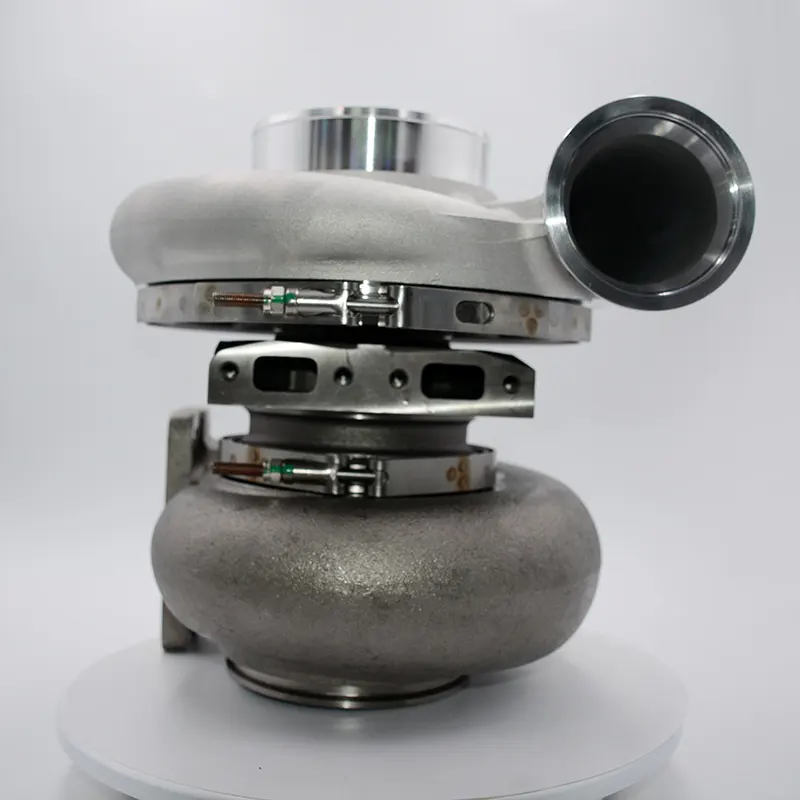
Architectural Design and Layout of the Engineering Facilities
The architectural design and layout of the engineering facilities at a leading global turbocharger manufacturer are meticulously crafted to support innovation, efficiency, and scalability. As turbocharger makers operate in a highly competitive and technology-driven industry, the physical environment of their engineering hubs plays a critical role in fostering creativity, precision manufacturing, and seamless collaboration among multidisciplinary teams. These manufacturers recognize that advanced engineering facilities are not merely production spaces but strategic assets that drive the development of cutting-edge turbocharging technology.
At the heart of the architectural design is a strong emphasis on functionality blended with modern aesthetic principles. The engineering facilities are typically housed in expansive, state-of-the-art structures that combine open-plan layouts with designated specialized zones. This fluid spatial arrangement encourages communication across engineering, testing, and production teams while also providing quiet, focused areas for design and development tasks. The buildings often feature high ceilings and ample natural lighting to create a comfortable working environment that reduces fatigue and enhances productivity. Moreover, large windows and skylights are strategically incorporated, aligning with sustainable design trends by maximizing daylighting and reducing reliance on artificial lighting.
From an infrastructural standpoint, turbocharger manufacturers invest heavily in creating versatile engineering laboratories and testing bays within the facility. These zones are engineered with advanced vibration isolation, temperature control, and noise abatement systems critical for precision testing of turbocharger components. Such dedicated areas allow engineers to simulate real-world operating conditions and analyze product performance with exceptional accuracy. Furthermore, the layout integrates flexible modular spaces that can be reconfigured to accommodate evolving project requirements, reflecting the fast-paced nature of turbocharger innovation.
The flow within these facilities adheres to lean manufacturing principles, minimizing material movement and maximizing operational efficiency. For example, the proximity of design studios to prototyping workshops streamlines the transfer from concept to physical model, accelerating development cycles. Close adjacency to quality control labs further ensures that design changes are instantly validated and refined. Turbocharger makers understand that minimizing internal logistics directly impacts lead times and cost-effectiveness, which is why the layout is optimized to support just-in-time production and rapid iteration.
Safety and ergonomics are paramount in the architectural planning of engineering facilities for turbocharger manufacturing. Workstations are designed with adjustable equipment and tools to accommodate diverse workforce needs, reducing the risk of repetitive strain injuries. Moreover, pathways and emergency exits are clearly marked and easily accessible, complying with international industrial safety standards. The physical layout also incorporates break areas and collaborative meeting zones that foster teamwork and support employee well-being — critical factors in sustaining high-performance engineering teams over the long term.
In integrating advanced technologies, the architectural design accommodates digital infrastructure essential for modern turbocharger development. Dedicated data centers, high-speed connectivity hubs, and clean rooms for sensitive component assembly are seamlessly integrated into the facility’s layout. These elements ensure that turbocharger makers remain at the forefront of Industry 4.0 trends, utilizing smart manufacturing systems, real-time data analytics, and additive manufacturing technologies. The building design also often allows for future expansion, reflecting the manufacturers’ commitment to continuous growth and adaptation in a rapidly evolving market.
Environmental sustainability is another cornerstone in the architectural approach. Many global turbocharger manufacturers incorporate green building materials, energy-efficient HVAC systems, and renewable energy sources such as solar panels. Water recycling units and waste management systems are also designed into the infrastructure to minimize environmental impact. The holistic integration of sustainable features not only reduces operating costs but also aligns with corporate social responsibility goals, enhancing the manufacturer’s reputation across global markets.
In conclusion, the architectural design and layout of engineering facilities for turbocharger manufacturers exhibits a harmonious blend of form and function. By emphasizing flexible spaces, cutting-edge testing environments, ergonomic workplaces, advanced technology integration, and sustainability, these facilities become catalysts for innovation and productivity. As turbocharger makers continue to push the boundaries of automotive and industrial engineering, their physical environments remain a critical foundation for achieving benchmark performance and maintaining global leadership in the turbocharger industry.
Advanced Technologies and Equipment Driving Production
In the highly competitive realm of turbocharger manufacturing, staying ahead requires more than just skilled labor and traditional methods; it demands the integration of advanced technologies and state-of-the-art equipment that redefine production efficiency, precision, and scalability. Leading turbocharger manufacturers and turbocharger makers around the globe have transformed their facilities into hubs of innovation, where cutting-edge machinery and intelligent processes converge to push the boundaries of engineering excellence.
At the heart of these production facilities are advanced computer numerical control (CNC) machines, which have revolutionized the way turbochargers are fabricated. Unlike manual machining, CNC technology enables turbocharger manufacturers to achieve unparalleled dimensional accuracy and repeatability, essential for components operating under extreme temperature and pressure conditions. Complex geometries, such as intricate turbine blades and precisely contoured compressor wheels, are manufactured with micron-level precision. This technology not only enhances product reliability and performance but also reduces material wastage, contributing to more sustainable production practices.
Complementing CNC machining, many turbocharger makers have integrated additive manufacturing (3D printing) technologies into their production workflows. This allows for rapid prototyping and the ability to create complex parts that were previously impossible or economically unfeasible to produce using conventional methods. For example, internal flow paths within turbocharger housings can now be optimized using lattice structures and topology optimization models, resulting in lighter yet stronger components. Additive manufacturing accelerates innovation cycles, allowing engineers to test new designs swiftly and bring advanced models to market faster.
Automation plays a pivotal role in the modern turbocharger production line. Robotic arms and automated guided vehicles (AGVs) facilitate the seamless handling of heavy components and delicate assemblies, minimizing human error and reducing labor-intensive tasks. Automation in assembly stations ensures consistent torque, fastening quality, and alignment of intricate parts like shaft assemblies and thrust bearings. Additionally, automated inspection systems equipped with machine vision and laser scanning technologies perform real-time quality control. These systems detect microscopic defects, dimensional deviations, and surface irregularities with extraordinary accuracy, ensuring that only turbochargers meeting stringent global standards proceed to the next stage.
Material science advancements have dramatically influenced equipment choices and production methods in turbocharger manufacturing. The use of exotic alloys and ceramic coatings—materials that exhibit exceptional heat resistance and durability—is supported by sophisticated heat treatment furnaces and coating application systems. These processes require precise control over temperature, atmosphere, and timing to achieve the desired metallurgical properties. Advanced technologies such as vacuum induction melting and electron beam melting enhance material quality at the source, reducing impurities and enhancing consistency, which translates to turbochargers with superior longevity and performance.
Integration of Industry 4.0 principles further distinguishes top-tier turbocharger manufacturers. Facilities are increasingly adopting smart sensors and Internet of Things (IoT) devices to collect real-time data on machine health, production parameters, and environmental conditions. This digital backbone enables predictive maintenance, where potential machinery failures are identified before breakdowns occur, thus minimizing downtime. Moreover, data analytics platforms process the collected information to optimize production workflows, improve supply chain management, and customize products according to client specifications.
Testing and validation equipment also showcase significant advancements. Rigorous performance testing systems replicate real-world operating conditions at varying speeds and loads, validating the efficiency and reliability of each turbocharger before it leaves the factory floor. High-speed cameras and flow visualization tools allow engineers to observe airflow dynamics within compressor and turbine stages, facilitating continuous improvements in aerodynamic design and thermal management.
Ultimately, the confluence of advanced technologies and equipment in turbocharger manufacturing facilities underscores the commitment of leading turbocharger makers to innovation, quality, and efficiency. By harnessing CNC precision, additive manufacturing, automation, material science breakthroughs, and digital intelligence, these manufacturers continue to elevate turbocharger performance—a crucial element powering the next generation of engines worldwide.
Quality Control and Testing Procedures in Turbocharger Manufacturing
In the highly competitive field of automotive components, the role of quality control and testing procedures is paramount, especially within the facilities of a leading global turbocharger manufacturer. Turbocharger makers operate in a sector where precision engineering and reliability are non-negotiable, as their products must withstand extreme operating conditions while enhancing engine performance. The engineering benchmark set by top-tier turbocharger manufacturers reflects stringent quality assurance practices embedded through every stage of production, from raw material inspection to final product validation.
A turbocharger's functionality depends on complex mechanical assemblies that work under high rotational speeds and thermal stresses. Therefore, quality control starts with meticulous selection of raw materials and components. Leading turbocharger manufacturers implement advanced material testing protocols, ensuring that metals and alloys meet exacting standards for strength, durability, and heat resistance. These incoming materials undergo chemical composition analysis and mechanical property testing, such as tensile strength and hardness tests, conducted through calibrated spectrometers and universal testing machines.
Once raw materials pass initial inspection, the manufacturing process follows, integrating precision machining and component assembly. Throughout production, in-process quality control is vital. Turbocharger makers employ automated dimensional inspections using coordinate measuring machines (CMM) and laser scanning to verify the adherence of parts to tight tolerances. This technology allows for rapid, non-destructive evaluation of components such as turbine wheels, compressor housings, and shafts. Any deviation from design parameters can be immediately flagged, minimizing defects and costly rework.
In addition to dimensional accuracy, turbocharger components are subjected to dynamic balancing and vibration analysis tests. Balancing turbine assemblies is critical to achieve operational smoothness at RPMs often exceeding 100,000. Specialized balancing machines equipped with high-sensitivity sensors detect imbalance forces, enabling technicians to fine-tune rotor assemblies by selective material removal or addition. Vibration testing also helps ensure that the assembled turbochargers will maintain stability and longevity during real-world engine use.
Beyond component-level inspections, rigorous functional testing is a hallmark of the turbocharger manufacturing process. Turbocharger makers operate dedicated test benches that simulate engine conditions, replicating temperature, pressure, rotational speed, and exhaust gas flow. These test rigs allow engineers to measure parameters such as boost pressure, turbo efficiency, and spool-up time. Performance data collected during bench tests ensure that each turbocharger meets or exceeds engineering specifications and customer requirements. Additionally, some facilities incorporate endurance testing, where turbochargers operate continuously under stress cycles to validate durability over extended periods.
Leak testing represents another critical quality checkpoint. Given the importance of tight seals in turbochargers to prevent gas leakage and maintain performance, manufacturers deploy helium mass spectrometry or pressure decay methods to detect minute leaks in housings and joints. This ensures aerodynamic efficiency and helps prevent component failures in demanding operating environments.
Moreover, collaboration with customers drives improvements in quality control. Turbocharger makers often work closely with automotive OEMs during product development and testing phases to align on performance criteria and testing standards. Customized testing protocols may be integrated into production to meet unique application needs, reflecting the evolving demands of engines powered by emerging technologies, including hybrid and alternative fuel systems.
In summary, the comprehensive quality control and testing procedures practiced by turbocharger manufacturers form a cornerstone of their engineering excellence. From rigorous material inspection and precision machining to advanced functional testing and data-driven monitoring, these processes ensure that turbochargers deliver superior performance, reliability, and longevity on a global scale. By upholding such stringent standards, turbocharger makers maintain their reputation as trusted partners in the automotive industry and continue to push the boundaries of turbocharging technology.
Innovations and Sustainability Initiatives Shaping the Future
The competitive landscape of turbocharger manufacturing is rapidly evolving, driven by groundbreaking innovations and a growing emphasis on sustainability. As a leading turbocharger manufacturer operating on a global scale, the facilities at the heart of production are embracing cutting-edge technologies and eco-conscious strategies that are not only setting new engineering benchmarks but also shaping the future of the industry.
At the forefront of these changes, turbocharger makers are investing heavily in research and development to improve both performance and environmental impact. Traditionally, turbochargers have been pivotal in enhancing engine efficiency by forcing more air into the combustion chamber, thereby increasing power output without significantly compromising fuel consumption. However, with tightening emissions regulations worldwide and a rising demand for greener technologies, manufacturers are now integrating smarter, more adaptive designs. Advanced materials such as lightweight alloys and ceramic composites are increasingly employed to reduce weight and improve thermal efficiency, which directly contributes to lower emissions and better durability.
Moreover, innovations such as variable geometry turbochargers (VGT) and electrically assisted turbochargers are gaining prominence within global turbocharger manufacturers’ portfolios. VGTs optimize performance across a wide range of engine speeds, significantly reducing turbo lag and improving fuel economy. Electrically assisted turbochargers, meanwhile, introduce electric motors to supplement the traditional exhaust-driven turbine, enabling immediate boost response and reducing the load on the engine during transient states. This synergy between mechanical and electrical systems heralds a new era for turbocharger makers, blending traditional engineering with electrification trends seen in the automotive industry.
Sustainability initiatives extend well beyond product innovation. Modern turbocharger manufacturing facilities deploy advanced energy management systems to minimize waste and reduce carbon footprints. Production lines are increasingly automated and integrated with Industry 4.0 technologies like the Internet of Things (IoT) and artificial intelligence (AI), which optimize manufacturing processes for less resource consumption without sacrificing quality. Smart sensors monitor energy use in real time, enabling corrective actions that reduce electricity, water, and raw material waste. Furthermore, these facilities often incorporate renewable energy sources such as solar panels and biomass to power operations, reflecting a commitment to environmental stewardship.
In addition to internal energy efficiency, turbocharger manufacturers are also revisiting the entire supply chain to ensure sustainability. Sourcing raw materials through responsible mining initiatives and prioritizing recyclable or reusable components helps mitigate the environmental impact of turbocharger production. Several turbocharger makers have collaborated with suppliers to ensure that ethical labor practices and environmentally sound procedures are adhered to throughout. This holistic approach to sustainability fosters transparency and accountability at every step, from procurement to assembly.
Another notable development is the growing emphasis on lifecycle thinking. Turbocharger manufacturers now incorporate design-for-recycling principles, making it easier to disassemble and reuse turbocharger components at the end of their useful life. Additionally, remanufacturing programs have gained traction, where used turbochargers are refurbished to like-new condition. This circular economy approach not only conserves resources but also offers cost benefits to customers, particularly in commercial and heavy-duty vehicle markets where total cost of ownership is critical.
Collaboration and partnerships further accelerate innovation and sustainability goals among turbocharger makers. Many manufacturers participate in cross-industry consortia and governmental programs focused on reducing automotive emissions and improving fuel efficiency. These collaborative efforts pool expertise from academia, startups, and regulatory bodies to pilot breakthrough technologies and promote widescale adoption.
The future of turbocharger manufacturing, therefore, is being shaped by a confluence of advanced engineering, environmental responsibility, and technological integration. The global turbocharger manufacturers leading the charge are setting new standards that not only enhance engine performance but also contribute meaningfully to a sustainable transportation ecosystem. As demand grows for cleaner, more efficient vehicles, these innovations and sustainability initiatives will remain central to the ongoing evolution of turbocharger technology and manufacturing excellence.
Conclusion
As we reflect on nearly a decade of growth and innovation in the turbocharger industry, exploring the cutting-edge facilities of a global leader offers invaluable insights into the standards that drive engineering excellence. Their commitment to advanced technology, meticulous quality control, and continual improvement sets a benchmark that inspires companies like ours to push the boundaries of performance and reliability. As we continue to evolve with nine years of industry experience under our belt, we remain dedicated to embracing these best practices and pioneering solutions that meet the ever-changing demands of today’s automotive landscape. This journey through the heart of turbocharger engineering not only highlights what is possible but also fuels our passion to contribute meaningfully to the future of turbocharging technology.
Table of Contents
GET IN TOUCH WITH Us
Professional manufacturer of turbochargers and components used for diesel, natural gas engines & engineering machinery.
Useful Links
Products
Contact Us
Add: NO.1060, Antaisan Rd, Houqiao Street, Xishan District, Wuxi, Jiangsu, China