Please fill out the form below to request a quote or to request more information about us. please be as detailed as possible in your message, and we will get back to you as soon as possible with a response. we're ready to start working on your new project, contact us now to get started.
Innovation At The Edge: Emerging Trends In Turbocharger And Turbine Housing Technology
2026-01-24
YUSEN Power
18
In a world driven by efficiency and performance, turbochargers and turbine housings are at the forefront of mechanical innovation. “Innovation at the Edge: Emerging Trends in Turbocharger and Turbine Housing Technology” explores the groundbreaking advancements reshaping these critical components. From cutting-edge materials to revolutionary design techniques, this article delves into how the latest trends are pushing the boundaries of power, durability, and sustainability. Whether you’re an industry professional or an enthusiast eager to stay ahead of the curve, discover how these innovations are setting new standards and driving the future of turbocharging technology. Read on to uncover the transformative developments that are powering the next generation of turbo systems.
Understanding the Role of Turbocharger and Turbine Housing in Modern Engines
In the ever-evolving landscape of automotive engineering, turbochargers have become paramount in enhancing engine efficiency and performance. As the global automotive industry pushes towards more sustainable and powerful engines, understanding the intricate roles of the turbocharger and its critical component—the turbine housing—is essential. These elements not only optimize engine output but also influence fuel consumption, emissions, and overall engine longevity. With emerging technologies such as hybrid turbochargers coming to the forefront, modern turbocharger manufacturers are revolutionizing these components to meet the demands of contemporary engines.
At its core, a turbocharger is a forced induction device that increases an internal combustion engine’s efficiency and power output by forcing extra compressed air into the combustion chamber. This enables more fuel to be combusted, producing greater power from a compact engine size. The turbocharger consists primarily of two sections: the turbine and the compressor, connected via a shaft. The turbine housing plays a pivotal role by directing exhaust gases from the engine onto the turbine wheel, causing it to spin and, subsequently, the compressor wheel on the opposite end to draw in and compress air.
The design and functionality of the turbine housing are crucial because it determines the velocity and pressure of the exhaust gases passing over the turbine blades. A well-engineered turbine housing ensures the turbocharger spools up quickly, reducing turbo lag and enhancing throttle responsiveness. This is particularly critical in modern engines where drivers expect immediate acceleration and smooth power delivery. Turbine housings vary in shape, size, and material based on the engine's requirements, balancing between performance and thermal durability. Manufacturers often utilize advanced materials like Inconel alloys, which offer high resistance to heat and erosion caused by the aggressive exhaust environment.
Modern turbocharger manufacturers are increasingly focusing on hybrid turbochargers, which combine features from both traditional and electric turbochargers. These innovations offer superior boost response and efficiency, significantly reducing turbo lag while improving fuel economy. Hybrid turbochargers often integrate an electric motor-generator into the turbo system. This motor can spin the compressor independently from exhaust gas flow, enabling immediate boost pressure even at low engine speeds. Such advancements require the turbine housing and turbocharger components to be adapted to accommodate additional complexity and functionality. For instance, managing extra heat generated by the electric motor or maintaining aerodynamic efficiency under varied operating conditions.
Another angle where the turbine housing influences modern engine design is emissions control. Because turbochargers help engines burn fuel more completely, they contribute to lowering harmful emissions such as NOx and particulate matter. The turbine housing geometry can be engineered to optimize exhaust flow, supporting after-treatment systems like catalytic converters and particulate filters. Fine-tuning the turbine’s operation thus helps modern engines meet increasingly stringent environmental regulations without compromising performance.
Moreover, the integration of turbochargers in downsized engines—a popular trend among modern turbocharger manufacturers—further accentuates the importance of turbine housing technology. Smaller engines equipped with turbochargers must deliver peak power comparable to larger naturally aspirated engines. The turbine housing must, therefore, maximize energy extraction from exhaust gases while minimizing backpressure to preserve engine efficiency. Emerging manufacturing techniques, such as 3D printing and advanced CNC machining, allow for more intricate and optimized turbine housing designs that were previously impossible or impractical to produce.
Thermal management is another critical consideration in turbine housing technology. As turbochargers operate at extremely high temperatures, often exceeding 900 degrees Celsius, the housing must dissipate heat effectively to prevent failures and maintain structural integrity. Some modern turbocharger manufacturers employ advanced coatings and ceramic inserts within turbine housings to better withstand thermal stress and reduce heat transfer to surrounding engine components. This not only prolongs turbocharger life but also helps stabilize engine operation under extreme conditions.
In conclusion, the turbocharger and turbine housing are not merely supporting components but foundational elements that shape the performance and efficiency of modern engines. Hybrid turbochargers exemplify the cutting-edge developments pushing traditional turbocharger technology to new limits, with turbine housing design evolving in tandem to meet these complex demands. As manufacturers continue to refine these components, the convergence of materials science, aerodynamics, and electronics promises more compact, powerful, and environmentally friendly engines for the future.
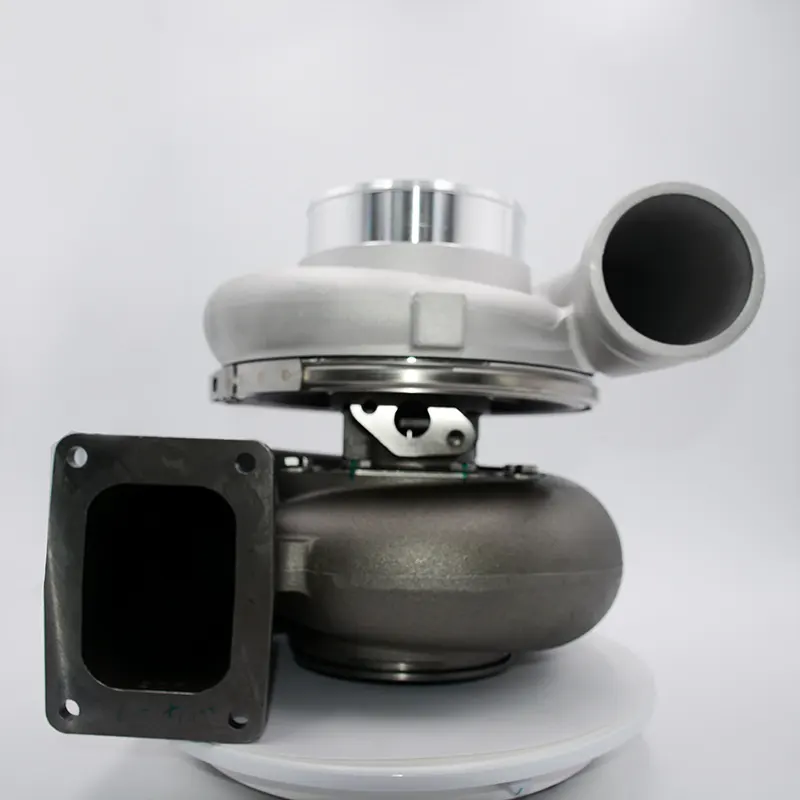
Recent Advances Driving Innovation at the Edge of Turbo Technology
In the fast-evolving landscape of automotive and industrial propulsion systems, turbocharger technology has emerged as a critical frontier for innovation. The drive to optimize engine performance, enhance fuel efficiency, and reduce emissions has positioned turbochargers at the edge of transformative technological advances. Recent developments, particularly those revolving around the integration of hybrid turbocharger concepts and the inventive approaches adopted by modern turbocharger manufacturers, are spearheading a new era of turbocharger and turbine housing technology.
One of the most pivotal innovations reshaping the turbocharger domain is the emergence of hybrid turbochargers. Unlike traditional turbochargers that rely solely on exhaust gas energy to compress intake air, hybrid turbochargers incorporate an electric motor-generator into the turbo system. This integration enables a range of advanced functionalities, such as electric boost assistance, energy recovery, and even the ability to spool up the turbo independently of exhaust flow. The result is a system that can deliver pressure boost more responsively and across a wider RPM range, alleviating the persistent issue of turbo lag that has historically limited turbocharged engines’ drivability.
Modern turbocharger manufacturers are capitalizing on advancements in electric motor technology, power electronics, and control algorithms to refine hybrid turbocharger designs. The compactness and efficiency of today’s electric motors allow for seamless integration with turbine and compressor wheels within the same housing, leading to hybrid turbochargers that maintain or improve aerodynamic efficiency without increasing system complexity. The involvement of cutting-edge materials and manufacturing techniques—such as additive manufacturing for complex turbine housing geometries—enables precise airflow management, improved thermal management, and weight reduction, all of which contribute to overall system performance and durability.
Another critical factor driving innovation at the edge lies in the redesign of turbine housing architectures. Traditional cast housings are being replaced or supplemented by modular, multi-piece housings that allow for more granular tuning of turbine flow characteristics to match engine and vehicle demands. Modern turbocharger manufacturers are employing computational fluid dynamics (CFD) and advanced simulation tools to optimize housing runners, volutes, and wastegate pathways. This results in more efficient energy extraction from exhaust gases and better matching of the turbine to the engine’s torque and power curves. Additionally, innovative coatings and thermal barrier materials applied to turbine housings mitigate heat soak and improve resistance to extreme temperatures, enhancing reliability under the harsh operating conditions of modern downsized and boosted engines.
Material advances aside, the adoption of hybrid turbochargers complements emissions regulations and the transition toward electrification, as these systems can bridge the gap between conventional internal combustion engines and full electric propulsion. By harnessing electric-assisted turbocharging, manufacturers can downsize engines further without sacrificing power or drivability, enabling greater fuel economy and lower emissions in real-world driving. Conversely, hybrid turbochargers are also ideal candidates for mild hybrid vehicles where they can recuperate waste energy and supply electric boost power, reducing dependency on battery pack size and complexity.
Furthermore, digitalization and connectivity trends have started influencing turbocharger innovations. Modern turbocharger manufacturers are embedding sensors and electronics into the turbo system for real-time monitoring of parameters such as rotational speed, temperature, and pressure. This data enables predictive maintenance, enhanced control strategies, and even on-the-fly calibration adjustments—a feature particularly beneficial for hybrid turbochargers where electric motor control must be precisely synchronized with exhaust energy flow.
Collaboration between turbocharger manufacturers and OEMs is also accelerating exploration into novel hybrid architectures and turbine housing designs customized for specific applications—ranging from high-performance sports cars to commercial vehicles and industrial turbo machinery. This bespoke approach is made viable by advancements in manufacturing flexibility and digital design tools, which reduce development time and cost, allowing more frequent innovation cycles and rapid adaptation to changing regulatory and market demands.
In summary, innovation at the edge of turbo technology is being driven primarily by the integration of hybrid turbocharger systems that combine electric assistance with traditional exhaust-driven compression. Alongside this, modern turbocharger manufacturers leverage cutting-edge materials, manufacturing methods, aerodynamic optimization, and digital integration to create turbine housings and turbocharger systems that push performance, efficiency, and durability ever forward. These advances are not only improving the operation of turbocharged engines today but also paving the way for the next generation of propulsion systems that balance power, economy, and sustainability in accordance with global automotive trends.
Materials and Design Trends Enhancing Turbine Housing Performance
**Advanced Materials: The Backbone of High-Performance Turbine Housings**
Traditionally, turbine housings have been cast from iron alloys, chosen primarily for their ability to withstand the extreme thermal and mechanical stresses within exhaust systems. However, the push for lighter, more heat-resistant, and more robust components has driven modern turbocharger manufacturers toward materials that offer superior thermal properties, corrosion resistance, and structural integrity.
*1. High-Grade Cast Steels and Superalloys*
Modern turbine housings increasingly utilize high-grade cast steels and nickel-based superalloys. These materials enable much higher operating temperatures, sometimes exceeding 1,000°C, which is particularly important in hybrid turbocharger applications where boost pressures and exhaust heat can be more volatile. Superalloys such as Inconel provide exceptional resistance to oxidation and creep, significantly extending component lifespan and enabling more aggressive turbocharger settings without the risk of premature failure.
*2. Ceramic Matrix Composites (CMCs)*
The next frontier in turbine housing materials involves ceramic matrix composites. These materials offer outstanding heat resistance while drastically reducing weight compared to traditional metals. CMCs can operate at temperatures where metal alloys begin to degrade, thereby enabling higher turbine inlet temperatures and improved thermodynamic efficiency. The weight savings decrease the overall rotating mass, enhancing spool-up times and responsiveness — key parameters for modern hybrid turbocharger systems that rely heavily on rapid transient response.
*3. Thermal Barrier Coatings (TBCs)*
To extend the usability of existing metal alloys, innovative thermal barrier coatings have become a staple in turbine housing manufacturing. These advanced ceramic coatings insulate the housing from the extreme exhaust gases, decreasing heat transfer to surrounding components and improving thermal efficiency. TBCs help maintain optimal exhaust gas velocity, boosting turbine efficiency while protecting the housing from thermal fatigue and corrosion.
**Innovative Design Trends: Pushing the Limits of Performance**
Material advances alone do not fully unlock turbine housing potential; equally important are the design approaches that enhance aerodynamic efficiency, cooling, and integration with hybrid turbocharger modules.
*1. Optimized Volute Geometry*
One of the most significant design trends involves refined volute geometries. By employing computational fluid dynamics (CFD) and advanced 3D modeling tools, manufacturers tailor the spiral casing to optimize exhaust flow path and pressure distribution. These carefully engineered volutes minimize flow losses and maximize the kinetic energy transferred to the turbine wheel, resulting in faster spool-up and higher overall efficiency. For hybrid turbochargers, where quick response and high power density are critical, optimized volute design translates directly to improved transient boost control.
*2. Integrated Cooling Channels*
Hybrid turbocharger systems generate complex thermal loads due to the interplay between electric assist motors and conventional turbine operation. To maintain structural integrity and performance, modern housings often feature integrated cooling channels designed through additive manufacturing or precision casting techniques. These cooling pathways actively manage heat extraction from critical areas, reducing thermal stresses and preventing distortion or cracking under rapid thermal cycling.
*3. Modular and Compact Layouts*
With space constraints in modern powertrains, turbine housings are evolving towards more compact and modular designs. Innovations include split housings that facilitate easier maintenance or allow for quick swapping between different turbocharger configurations in hybrid setups. Modular designs also aid in weight reduction and improve integration with exhaust gas recirculation (EGR) systems, further optimizing combustion efficiency and emissions.
*4. Additive Manufacturing and Lightweight Structures*
Additive manufacturing, or 3D printing, is revolutionizing turbine housing design by enabling complex internal geometries unachievable with traditional casting. This technology allows for the development of lightweight lattice structures within the housing, reducing inertia and enhancing thermal management. Additionally, the bespoke nature of additive manufacturing supports rapid prototyping and customization—significant advantages for modern turbocharger manufacturers who must tailor turbine housings for diverse hybrid turbocharger applications efficiently.
The integration of cutting-edge materials and progressive design strategies is redefining turbine housing performance in the age of hybrid turbochargers. The resulting advancements reflect a synergistic approach — combining thermal resilience, aerodynamic optimization, and manufacturing innovation — that modern turbocharger manufacturers leverage to meet the demands of increasingly sophisticated powertrain systems. Through this fusion of technology and materials science, turbine housings are evolving from mere exhaust conduits into precision-engineered components critical to the next generation of automotive propulsion.
Integration of Smart Technologies in Turbocharger Systems
The turbocharger industry is witnessing a transformative shift with the integration of smart technologies, significantly enhancing the efficiency, performance, and reliability of turbocharger systems. This evolution is especially crucial for modern turbocharger manufacturers seeking to innovate at the edge of current technological capabilities. With the rise of hybrid turbochargers, which combine traditional turbocharging mechanisms with advanced electrification and sensor-based controls, the integration of smart technologies plays a pivotal role in shaping the next generation of turbocharger and turbine housing technology.
At the heart of this integration lies a sophisticated network of sensors and microprocessors embedded within turbocharger units. These components continuously monitor and analyze a range of parameters such as exhaust gas temperature, boost pressure, rotational speed, and vibration levels. The data collected is then processed in real-time to optimize turbocharger performance dynamically. This intelligent feedback loop ensures that the turbocharger operates at maximum efficiency without compromising durability, adapting instantly to changing engine loads and driving conditions.
A prime example of smart technology integration is the advent of electronically controlled wastegates and variable geometry turbochargers (VGTs). Traditionally, wastegates and turbine vanes were mechanically actuated, which limited their responsiveness. By embedding electronic actuators and control units, modern turbochargers can precisely regulate boost pressure, minimizing turbo lag and improving throttle response. This not only improves engine efficiency but also reduces emissions—a critical factor amid increasingly stringent global environmental regulations.
Hybrid turbochargers take these advancements further by combining electric motors with conventional turbocharger technology. A hallmark of modern turbocharger manufacturers, these systems employ an electric assist motor to spin the turbocharger shaft independently of exhaust gas flow. This capability allows for immediate boost pressure generation even at low engine speeds, effectively eliminating turbo lag entirely. The smart integration of control algorithms that manage the electric assist motor in tandem with engine management systems epitomizes the cutting-edge nature of hybrid turbocharger technology.
Beyond performance improvements, the integration of smart technologies also aids in predictive maintenance and fault detection. Modern turbochargers equipped with IoT (Internet of Things) connectivity transmit operational data to cloud-based platforms where advanced analytics and machine learning models predict potential failures before they occur. This proactive maintenance approach minimizes downtime and reduces lifecycle costs, which is particularly valuable for commercial and heavy-duty vehicle applications where reliability is paramount.
Another significant innovation enabled by smart technology integration is the optimization of turbine housing design through real-time data feedback. Sensors embedded within turbine housings can monitor thermal stresses and material fatigue during operation. Insights from this data allow manufacturers to tailor housing materials and geometries to specific applications, striking the perfect balance between performance, thermal management, and durability. Modern turbocharger manufacturers leverage computational fluid dynamics (CFD) and real-time sensor feedback to continually refine turbine housing designs, pushing the envelope in efficiency improvements.
The convergence of artificial intelligence (AI) and turbocharger systems is also emerging as a promising frontier. AI algorithms can analyze complex datasets collected by smart turbochargers to adjust parameters for varying driving cycles, ambient conditions, and fuel types. This level of adaptability ensures that turbocharger systems deliver optimal performance regardless of external variables, supporting the trend towards more versatile and environmentally friendly internal combustion engines.
Moreover, smart integration facilitates seamless communication between turbochargers and other vehicle subsystems, such as engine control units (ECUs) and transmission systems. This interconnected ecosystem enables holistic vehicle performance management, where turbo boost levels, fuel delivery, ignition timing, and transmission shifts are harmonized for maximum efficiency and driving dynamics.
In conclusion, the integration of smart technologies within turbocharger systems represents a significant leap forward in automotive and industrial engine innovation. By embedding sensors, electronic controls, electrification components, and advanced data analytics, modern turbocharger manufacturers are developing hybrid turbochargers that offer unprecedented levels of performance, efficiency, and reliability. These advancements not only meet the growing demands for cleaner and more powerful engines but also pave the way for future innovations at the intersection of mechanical design and digital intelligence.
Future Outlook: Challenges and Opportunities in Turbocharger Innovation
As the automotive and industrial sectors continue to evolve rapidly, the future of turbocharger technology stands at a crossroads framed by both significant challenges and promising opportunities. The emergence of hybrid turbochargers and the increasing role of modern turbocharger manufacturers underscore a transformative era in turbocharging technology. Advancements in materials science, electronic controls, and hybridization are driving innovation at the edge, yet these come paired with complex hurdles surrounding durability, efficiency, and integration.
One of the foremost opportunities in the near future is the continued development and refinement of hybrid turbochargers. Hybrid turbochargers integrate electric motor-generators directly into the turbocharger assembly, enabling rapid spool-up times, improved boost control, and enhanced transient response. With growing demand for fuel efficiency and emission reductions, these devices offer a compelling solution that balances power delivery with environmental considerations. Modern turbocharger manufacturers are investing heavily in hybrid turbocharger technology to overcome traditional turbo lag issues, providing vehicles with a more seamless power curve and contributing to lower overall emissions. The integration of energy recovery systems within hybrid turbos also presents a novel approach to recapturing waste energy, a concept gaining traction in both combustion engine vehicles and emerging hybrid powertrains.
Beyond hybrid technology, the future outlook of turbocharger innovation is deeply influenced by evolving global regulatory frameworks. Stricter emission standards and increasing consumer expectations for fuel economy continue to push the boundaries of traditional turbocharger design. Emerging trends include the use of advanced ceramic and composite materials in turbine housings to withstand higher temperatures and reduce inertial mass, thus improving spool-up times and boosting overall system efficiency. Modern turbocharger manufacturers are at the forefront of these material innovations, employing cutting-edge manufacturing processes such as additive manufacturing and precision casting to enhance the performance characteristics of turbine housings.
Moreover, the rise of electric and hybrid vehicle platforms creates both challenges and avenues for hybrid turbocharger deployment. As full electric propulsion grows in popularity, the internal combustion engine is shifting toward more specialized, highly efficient applications, such as range extenders and heavy-duty machinery. In these contexts, turbocharger technology, especially hybrid variants, will be pivotal in maintaining engine performance while meeting stringent emissions targets. For manufacturers, this means leveraging flexible production capabilities and embracing smart manufacturing techniques, such as digital twins and AI-driven design optimization, to tailor turbocharger solutions for diverse powertrain architectures.
Integration with advanced engine management systems represents another opportunity ripe for innovation. Modern turbocharger manufacturers are increasingly focusing on electronic actuation and sensor integration, enabling turbochargers to interact dynamically with engine control units (ECUs). This connectivity allows for real-time adjustments to boost pressure, turbine geometry, and motor assistance, optimizing performance under changing driving conditions. The ability to couple hybrid turbochargers with sophisticated control strategies will be vital to fully realize their potential in future vehicles.
In conclusion, turbocharger innovation finds itself at a critical juncture where hybrid turbocharger technology offers a pathway to greater efficiency and performance. The challenges of integrating electric components, managing thermal and mechanical stresses, and meeting evolving emission mandates require concerted innovation efforts by modern turbocharger manufacturers. At the same time, material advancements, digital integration, and expanding application scopes present significant opportunities to push the boundaries of what turbocharging technology can achieve in the era of electrification and sustainability.
Conclusion
As we reflect on nearly a decade of experience in the turbocharger and turbine housing industry, it’s clear that innovation at the edge is not just a trend, but a continuous journey that drives us forward. Emerging technologies—from advanced materials to precision manufacturing and smart design—are reshaping the landscape, enabling more efficient, durable, and high-performing components than ever before. At the heart of this evolution is our commitment to staying ahead of industry developments and integrating cutting-edge solutions that meet the dynamic needs of our customers. As we look to the future, we remain dedicated to pushing boundaries, fostering collaboration, and delivering technology that powers the next generation of turbocharging excellence. Innovation is not just where the industry is heading—it’s where we have always been, and where we will continue to thrive.
Table of Contents
GET IN TOUCH WITH Us
Professional manufacturer of turbochargers and components used for diesel, natural gas engines & engineering machinery.
Useful Links
Products
Contact Us
Add: NO.1060, Antaisan Rd, Houqiao Street, Xishan District, Wuxi, Jiangsu, China