Please fill out the form below to request a quote or to request more information about us. please be as detailed as possible in your message, and we will get back to you as soon as possible with a response. we're ready to start working on your new project, contact us now to get started.
Future-Proof Technologies: Hybrid Turbochargers & Next-Gen Turbine Housing Design
2026-01-18
YUSEN Power
16
In an era where efficiency and innovation drive the automotive industry, staying ahead means embracing technologies that are not just advanced but future-proof. Our deep dive into "Future-Proof Technologies: Hybrid Turbochargers & Next-Gen Turbine Housing Design" explores how cutting-edge engineering is reshaping performance and sustainability. Discover how hybrid turbochargers are revolutionizing power delivery and fuel economy, while next-generation turbine housing designs are setting new standards in durability and efficiency. Whether you're an enthusiast, engineer, or industry insider, this article unveils the technological breakthroughs steering the future of turbocharging—don’t miss out on what’s next under the hood!
- Understanding the Evolution of Turbocharging Technology
**Understanding the Evolution of Turbocharging Technology**
Turbocharging technology has undergone significant transformation since its inception, driven by the automotive industry's relentless pursuit of enhanced engine performance, fuel efficiency, and reduced emissions. The evolution of vehicle turbochargers reflects a complex interplay of mechanical innovation, materials science advancements, and smart integration with engine management systems. In the context of the rising prominence of hybrid turbochargers and next-generation turbine housing design, understanding this evolutionary trajectory is crucial to appreciating the future of powertrain technologies.
The foundation of turbocharging technology dates back to the early 20th century when engineers sought to increase the power output of internal combustion engines without substantially increasing engine size or weight. The core principle involves utilizing exhaust gas energy—otherwise wasted—to spin a turbine connected to a compressor, which forces more air into the engine’s combustion chamber. This increased air density enables greater fuel combustion, translating into more power. Early turbochargers were primarily mechanical devices with simple turbine and compressor configurations, limited by materials that could withstand the high exhaust gas temperatures and rotational speeds.
As decades passed, the demand for higher performance and improved fuel economy resulted in continuous refinements. The vehicle turbocharger evolved to incorporate variable geometry turbine (VGT) technology, allowing the turbine housing to adjust dynamically to different engine speeds. This variable turbine geometry optimized airflow through the turbocharger, reducing turbo lag—a common drawback in traditional fixed-geometry turbochargers—and enhancing low-end torque without sacrificing high-end power. Improved aerodynamic design of turbine blades and compressor wheels further increased the efficiency of turbochargers.
Parallel to these mechanical advancements were material innovations. The turbine housing, once cast from conventional iron alloys, moved towards high-grade stainless steel and even ceramic coatings to withstand elevated temperatures and corrosive exhaust gases while reducing thermal inertia. Next-generation turbine housing designs consider not only heat resistance but also the facilitation of rapid spool-up times and better heat dissipation, enhancing overall turbocharger responsiveness and reliability.
The advent of hybrid turbochargers marks a pivotal point in the evolution. Unlike conventional turbochargers that solely rely on exhaust energy, hybrid turbochargers integrate an electric motor-generator within the turbocharger assembly. This integration allows the turbocharger to overcome limitations such as turbo lag by electrically spinning the compressor wheel before enough exhaust flow is available. As a result, hybrid turbochargers deliver almost instantaneous boost pressure, improving throttle response significantly.
Moreover, hybrid turbine technology enables energy recovery by using the electric motor to act as a generator during engine braking or deceleration phases, converting kinetic energy into electric energy that can recharge the vehicle’s battery. This synergistic function of boosting engine performance while harvesting energy exemplifies future-proof technology aligning with stricter emissions and efficiency regulations. The combination of the electric assist with conventional turbine dynamics also allows engine downsizing without compromising power output, contributing to lighter, more efficient vehicles.
Modern vehicle turbochargers are also increasingly integrated within sophisticated engine control architectures. Advanced sensors and electronic control units (ECUs) monitor turbocharger speed, boost pressure, and exhaust temperature in real-time, precisely adjusting the electric motor assist, wastegate position, and fuel injection within hybrid turbo systems. This smart integration optimizes performance, reduces turbocharger wear, and ensures consistent operation under diverse driving conditions.
In addition to hybridization, next-generation turbine housing designs are evolving to complement these new functionalities. Designs focus on improving aerodynamics inside the turbine housing to maximize the efficiency of both purely exhaust-driven and electrically assisted turbine stages. Innovative manufacturing techniques such as additive manufacturing allow complex internal geometries previously unachievable with traditional casting methods. These designs enhance airflow management, reduce weight, and improve thermal management, all essential for the high-speed operation of hybrid turbochargers.
In summary, the evolution of turbocharging technology—from early purely mechanical systems to sophisticated hybrid turbochargers combined with advanced turbine housing designs—represents a continuous pursuit of performance, efficiency, and environmental responsibility in vehicle turbochargers. This evolution sets the stage for the future of internal combustion engines, where electrification and smart design coalesce to meet modern driving demands and regulatory pressures.
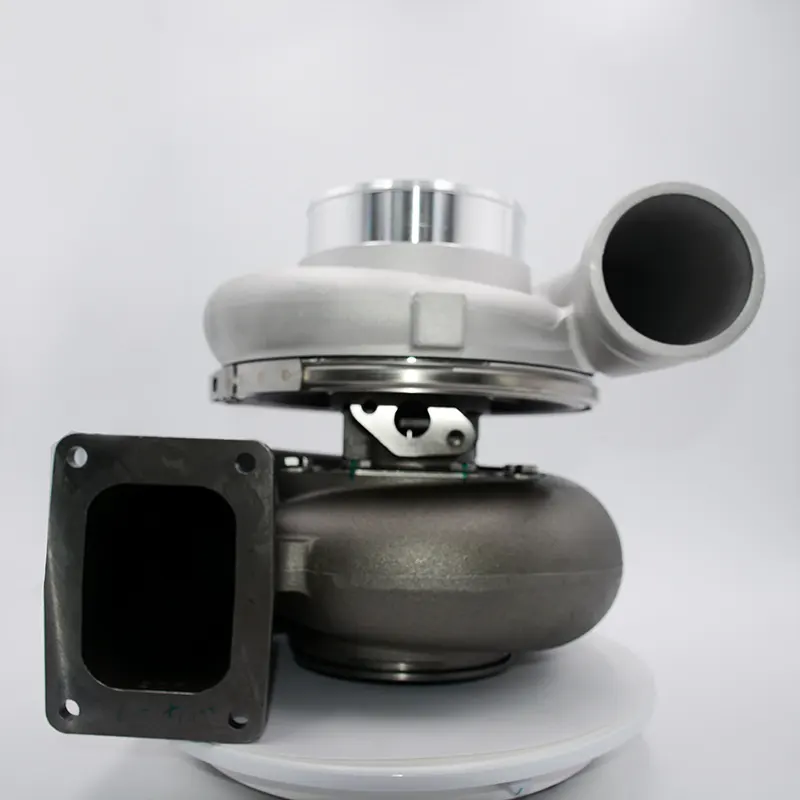
- The Role of Hybrid Turbochargers in Modern Engines
**The Role of Hybrid Turbochargers in Modern Engines**
In the continuous pursuit of enhanced vehicle performance, fuel efficiency, and reduced emissions, the role of hybrid turbochargers in modern engines has become increasingly pivotal. As the automotive industry progresses towards stricter environmental regulations and customer demands for more responsive powertrains, hybrid turbochargers emerge as a transformative technology in the realm of vehicle turbochargers, melding traditional principles with cutting-edge innovation.
At their core, hybrid turbochargers combine elements from conventional turbochargers and electric assist systems to address the limitations historically associated with vehicle turbochargers, such as turbo lag and efficiency drop at low engine speeds. Conventional turbochargers rely on exhaust gas flow to spool the turbine and compress the intake air, which can lead to a delay in power delivery known as turbo lag. This delay affects not only the driving experience but also impacts fuel economy and emissions, especially in transient engine conditions commonly encountered in urban driving.
Hybrid turbochargers integrate an electric motor with the turbine shaft, providing immediate assistance to spool the turbocharger before sufficient exhaust energy is available. This electric assist technology drastically reduces turbo lag by accelerating turbine speed instantaneously during engine acceleration, enabling rapid boost pressure buildup. Consequently, vehicles equipped with hybrid turbochargers deliver smoother and more linear power delivery, enhancing drivability and performance without compromising fuel efficiency.
From an engineering perspective, the introduction of an electric motor within the turbocharger housing presents design and thermal management challenges, which have been addressed through advances in materials science and lightweight turbine housing designs. These improvements not only ensure durability under high operating temperatures but also contribute to the hybrid turbocharger’s overall efficiency by reducing inertia. Modern engine controls smartly manage the coordination between the electric assist and exhaust-driven turbine, optimizing boost pressure across different load and speed conditions to maximize power output and minimize emissions.
Environmental sustainability is another crucial aspect underscoring the role of hybrid turbochargers in modern engines. By improving low-end torque and responsiveness, hybrid turbochargers allow for engine downsizing without sacrificing performance—a key strategy in reducing fuel consumption and CO₂ emissions. Smaller displacement engines equipped with hybrid turbochargers can achieve comparable or even superior power outputs relative to larger naturally aspirated engines, thereby helping manufacturers meet increasingly stringent emissions standards globally.
Hybrid turbochargers also provide the flexibility necessary for hybrid and mild-hybrid powertrains, which are gaining prominence in the automotive market. The integration of hybrid turbochargers with electrified drivetrains complements energy recovery and regenerative braking systems, leveraging the electric motor to not only assist the turbo but also recover energy during deceleration. This synergy creates opportunities for an overall improvement in vehicle energy efficiency and a reduction in environmental impact.
In addition to passenger vehicles, hybrid turbochargers are making inroads into commercial vehicle segments and motorsports, where the demand for reliable power delivery and fuel efficiency is equally critical. The ability of hybrid turbochargers to provide rapid boost pressure whilst maintaining thermal and mechanical integrity under high loads enables commercial engines to meet operational demands more effectively, translating into better fuel economy and lower operating costs.
In summary, the role of hybrid turbochargers in modern engines is multifaceted, combining performance enhancement, emissions reduction, and adaptability to electrification. As vehicle turbocharger technology continues to evolve, the hybrid turbocharger represents a key innovation that future-proofs internal combustion engines, bridging the gap between traditional turbocharging and the electrified powertrains of tomorrow. Their ability to improve engine responsiveness and efficiency while supporting sustainable mobility makes hybrid turbochargers indispensable in the next generation of automotive propulsion systems.
- Innovations in Turbine Housing Design for Enhanced Performance
In the rapidly evolving automotive industry, the demand for more efficient, powerful, and environmentally friendly engines has driven significant advancements in turbocharger technology. Among these developments, innovations in turbine housing design stand out as a critical factor in pushing the boundaries of vehicle turbocharger performance—especially when integrated into hybrid turbochargers, which combine the benefits of electric assistance with traditional exhaust-driven boosting. Turbine housings, often overlooked, play a pivotal role in determining the responsiveness, durability, and overall efficiency of turbocharging systems. Modern design techniques are now enabling engineers to overcome long-standing challenges, resulting in next-generation turbine housings that enhance both performance and reliability.
Central to these innovations is the optimization of the turbine housing’s internal geometry. Classic turbine housings were designed primarily to direct exhaust gases onto the turbine wheel with the goal of maximizing flow. However, this approach often sacrificed responsiveness at low engine speeds due to larger volutes and increased inertia. Recent designs employ computational fluid dynamics (CFD) simulations to refine volute shapes, reduce flow separation, and minimize pressure losses, thereby improving the turbine’s ability to spool up quickly. This fast-spooling characteristic is particularly vital in hybrid turbochargers, which require seamless integration between electrical assistance and exhaust-driven boosting to maintain smooth power delivery and reduce turbo lag.
Furthermore, variable geometry turbine housings are gaining traction as a way to adapt performance across a broader range of engine operating conditions. These housings feature adjustable vanes or nozzles that can modulate the effective flow area, allowing the turbocharger to maintain high efficiency from low to high engine speeds. In hybrid turbocharger systems, this adaptability complements the electric motor’s ability to provide immediate torque at lower RPMs, resulting in a highly responsive powertrain that blends conventional and electric boosting.
Material innovations are also transforming turbine housing design. Traditional cast iron housings, while durable, are heavy and prone to thermal fatigue due to the high exhaust temperatures they endure. Next-generation turbine housings utilize advanced materials such as high-grade stainless steels, Inconel alloys, and ceramic coatings to improve heat resistance and reduce weight. These materials not only enhance the durability of the housing but also improve thermal management, enabling the turbine wheel to operate in a higher temperature environment without compromising reliability. This is particularly relevant for hybrid turbochargers, which often function at higher thermal loads due to more complex operating cycles.
Additive manufacturing (3D printing) techniques have unlocked another frontier in turbine housing innovation. Traditional manufacturing methods impose limitations on the geometric complexity of housings, but 3D printing enables the creation of intricate internal passageways and optimized cooling channels that were previously impossible to realize. This allows for bespoke turbine housings optimized for specific engine configurations or hybrid turbocharger packages, delivering custom-tailored performance improvements. For instance, designers can create internal ribs or turbulators that reduce exhaust gas pulsations, enhancing turbine efficiency and improving overall vehicle turbocharger responsiveness.
Another key area of innovation involves improved thermal management systems integrated within the turbine housing. Hybrid turbochargers often face fluctuating thermal loads due to the alternation between electric boost and exhaust-driven operation. Innovations such as internal water cooling channels and integrated heat exchangers within the housing allow for more precise temperature regulation. This helps prevent thermal distortion and cracking, extending the service life of the housing and maintaining optimal turbocharger performance over extended periods.
To address noise, vibration, and harshness (NVH) concerns associated with high-performance turbochargers, modern turbine housings incorporate acoustic tuning designs. These include tailored volute shapes and resonance chambers that reduce exhaust noise and smooth out pressure pulsations. In electrically assisted hybrid turbochargers, quieter and refined exhaust flow dynamics are crucial to delivering a premium driving experience, making these acoustic innovations particularly valuable.
Lastly, the integration of sensor technology into turbine housings is enabling real-time monitoring of critical parameters such as temperature, pressure, and vibration. This data can be fed into engine management systems to adjust turbocharger operation dynamically, optimizing performance and protecting the turbocharger from damage. In hybrid turbochargers, sensor-enabled turbine housings facilitate intelligent coordination between the electric motor and exhaust-driven components, maximizing efficiency and responsiveness.
In conclusion, innovations in turbine housing design are central to unlocking the full potential of hybrid turbochargers and next-generation vehicle turbochargers. Through advances in geometry optimization, material science, manufacturing techniques, thermal management, acoustic design, and embedded sensing, turbine housings now contribute significantly to enhanced turbocharger performance, durability, and integration in cutting-edge powertrains. These technical breakthroughs pave the way for future-proof technologies that meet the demanding requirements of modern vehicles while supporting the shift toward electrification and greater fuel efficiency.
- Benefits of Combining Hybrid Turbochargers with Advanced Housing
**Benefits of Combining Hybrid Turbochargers with Advanced Housing**
In the rapidly evolving automotive industry, achieving maximum engine efficiency and performance while minimizing emissions has become a pivotal goal. One of the most promising advancements contributing to this goal is the integration of hybrid turbochargers with advanced turbine housing designs. This synergy not only pushes the boundaries of vehicle turbocharger technology but also provides a versatile platform for future innovations in internal combustion engine boosted systems.
**Enhancing Efficiency Through Optimized Aerodynamics**
Hybrid turbochargers inherently blend the strengths of electric assistance with traditional exhaust-driven turbine mechanics. When paired with advanced housing, which offers improved aerodynamic properties, the turbocharger can operate in an optimized environment that reduces energy losses and increases responsiveness. Modern turbine housings are engineered using computational fluid dynamics (CFD) to minimize pressure drop and improve exhaust flow patterns. This allows for the turbine wheel to extract more energy from exhaust gases, increasing the effectiveness of the hybrid turbocharger’s turbine stage.
Because hybrid turbochargers incorporate electric motors that assist turbine rotation at low engine speeds, advanced housings augment this effect by maintaining smooth exhaust gas delivery, reducing turbulence and flow separation. The combination leads to faster spool times, more consistent boost pressure, and a wider torque curve—factors essential for enhancing drivability in both passenger and commercial vehicles.
**Improving Vehicle Turbocharger Durability and Thermal Management**
Another beneficial effect of combining hybrid turbochargers with next-generation turbine housings is improved durability and thermal management. Advanced housings utilize high-performance materials and coatings that can withstand elevated temperatures typically found in high-boost applications. Hybrid turbochargers, while often run at lower mechanical speeds due to their electric assist, still face intense heat and pressure challenges.
Advanced housing designs incorporate features such as improved heat dissipation channels and optimized wall thickness to reduce thermal stress on the turbine assembly. This minimizes deformation and prolongs component life, crucial in maintaining the reliability of vehicle turbochargers subjected to demanding operating conditions. Furthermore, integrating hybrid technology with a robust housing ensures that the turbocharger system can better handle rapid transients, preventing common failure modes like bearing wear or shaft fatigue.
**Enabling Greater Control and Flexibility with Electrification**
Hybrid turbochargers bring electrification into the turbocharging world, enabling precise control over turbine speed and boost pressure independent of exhaust gas flow. When combined with advanced turbine housings designed for enhanced flow dynamics, this translates to unprecedented flexibility in engine tuning. Manufacturers can exploit this flexibility to develop adaptive boost strategies tailored for different driving modes, fuel types, and emission standards.
For instance, the electric assist in hybrid turbochargers helps eliminate turbo lag, while the housing optimizations ensure that the turbine can seamlessly transition between electric-driven and exhaust-driven operation. This cooperation allows for aggressive downsizing strategies, as smaller displacement engines can still deliver satisfactory performance by leveraging controlled hybrid turbocharging, supported by the optimized housing geometry.
**Reducing Emissions and Meeting Future Regulatory Requirements**
Stringent emission regulations worldwide compel automakers to reduce pollutants such as NOx and particulate matter without compromising engine performance. The hybrid turbocharger’s ability to provide instant boost through electric assistance, paired with an advanced housing that ensures efficient exhaust scavenging, leads to more complete combustion. This reduces unburned hydrocarbons and improves overall thermal efficiency.
Moreover, optimized turbine housings help maintain higher exhaust gas velocities, which promotes quicker catalytic converter light-off temperatures during cold starts—a critical phase for emissions control. The hybrid turbocharger’s fine-tuned response, supported by these advanced housings, enables engines to operate within cleaner combustion regimes and meet tough future standards.
**Facilitating Integration with Hybrid and Electric Powertrains**
As vehicle electrification accelerates, hybrid turbochargers combined with sophisticated turbine housings provide seamless integration opportunities for powertrains that blend internal combustion and electric propulsion. The electrical component of the hybrid turbocharger can interact with battery management systems and engine control units to optimize performance dynamically.
Advanced housings accommodate compact turbocharger footprints, making packaging easier in hybrid powertrain architectures. The improved thermal management and enhanced flow characteristics support prolonged high-efficiency operation even when the internal combustion engine is used intermittently in hybrid systems, such as plug-in hybrids or mild hybrids.
Together, hybrid turbochargers and next-gen turbine housings represent modular, flexible technology platforms ready to meet the demands of increasingly diverse and complex vehicle applications.
****
The combination of hybrid turbochargers with advanced turbine housing designs heralds a new era in vehicle turbocharger engineering. Through improved aerodynamic efficiency, enhanced durability, greater control, emissions reduction, and integration flexibility, this synergy equips the automotive industry with tools needed to future-proof engine technologies in an electrified and environmentally conscious landscape. As these technologies mature, their benefits will ripple across performance, efficiency, and sustainability metrics—key pillars in the development of next-generation vehicles worldwide.
- Preparing for Tomorrow: The Future Impact of Next-Gen Turbo Technologies
As the automotive industry accelerates toward a future defined by heightened efficiency, reduced emissions, and enhanced performance, next-generation turbo technologies are poised to play a transformative role. Central to this evolution are innovations such as hybrid turbochargers and advanced turbine housing designs, which collectively promise to redefine vehicle turbocharger capabilities in ways once thought unattainable. Preparing for tomorrow means understanding how these emerging technologies will shape the future landscape of automotive propulsion, enabling a new era of responsive, efficient, and environmentally conscious vehicles.
Hybrid turbochargers represent a significant leap forward from traditional turbocharging systems. Unlike conventional turbos that rely solely on exhaust gas energy to spool the turbine, hybrid turbochargers integrate electric motor assistance to eliminate lag and improve responsiveness across a broader range of engine speeds. This synergy between mechanical and electrical components allows the turbocharger to operate more efficiently under diverse driving conditions. The result is improved throttle response, reduced emissions due to better combustion control, and enhanced fuel economy — all critical factors as global regulatory bodies impose stricter emissions and efficiency standards.
One of the defining features of hybrid turbochargers is their ability to harvest and redeploy energy that was previously wasted. By coupling electric motors and advanced control electronics with the traditional turbo mechanism, these systems can recover exhaust energy and use it not only to spool the turbine but also to supply additional torque to the drivetrain when necessary. This dual functionality blurs the line between forced induction and electrification, offering a hybrid turbocharger that doubles as both a performance enhancer and an energy harvester. This approach is destined to become a cornerstone for hybrid and mild-hybrid powertrains, aligning perfectly with the industry's shift toward electrification without compromising the power and driving experience associated with turbocharged engines.
Equally impactful is the evolution in turbine housing design. Next-generation turbine housings are being engineered to optimize aerodynamic efficiency, thermal management, and weight reduction. By employing computational fluid dynamics (CFD) and cutting-edge materials, engineers can create turbine casings that maximize exhaust gas flow velocity while minimizing heat loss and latency. Novel designs are focusing on compact geometries that reduce the inertia of spinning components, allowing turbochargers to spool faster and more smoothly. In practice, this means vehicle turbochargers with next-gen housings can provide immediate boost pressure with less turbo lag, making the driving experience more linear and predictable.
Material innovations also play a crucial role in future turbine housing developments. The use of advanced alloys and ceramic matrix composites improves thermal resistance and reduces overall weight, enabling turbochargers to operate at higher temperatures and pressures without degradation. This capability not only improves durability but also facilitates higher engine outputs and better fuel efficiency. Moreover, enhanced heat management in turbine housings contributes to improved exhaust gas temperature control, essential for aftertreatment systems like catalytic converters and particulate filters to function optimally.
Integration of hybrid turbochargers and next-gen turbine housings is expected to influence vehicle turbocharger design philosophies profoundly. The modular and scalable nature of these technologies allows for their application across a wide range of vehicles — from compact cars to high-performance sports models and commercial trucks. As manufacturers seek to meet increasingly diverse market demands while complying with stringent emissions frameworks, these turbocharger advancements offer an adaptable solution that balances power, efficiency, and eco-friendliness.
Further, the emergence of connected and software-defined vehicles complements the potential of next-gen turbo technologies. Sophisticated engine management systems can intelligently control hybrid turbocharger operation in real-time, tailoring boost pressures and electric assist based on driving style, road conditions, and energy availability. This integration will enable vehicles to optimize performance dynamically, reducing fuel consumption during routine driving while unlocking peak power when required. In essence, the future vehicle turbocharger will be smarter, more adaptive, and seamlessly integrated within the overall vehicle architecture.
In conclusion, preparing for tomorrow involves embracing hybrid turbocharger systems and next-generation turbine housing designs as foundational components of future vehicle propulsion. By combining electrification with aerodynamic and material innovations, these advances promise to revolutionize vehicle turbochargers, delivering engines that are not just powerful and responsive but also cleaner and more efficient. As the automotive landscape continues to shift, understanding and investing in these next-gen turbo technologies will be essential for manufacturers and consumers seeking to future-proof their mobility solutions in an era of rapid change.
Conclusion
In conclusion, as a company with nearly a decade of industry experience, we understand that innovation is the key to staying ahead in the rapidly evolving automotive landscape. Hybrid turbochargers and next-generation turbine housing designs represent the future of performance and efficiency, combining cutting-edge technology with engineering excellence. By embracing these advancements, we are not only future-proofing our solutions but also driving the industry toward cleaner, more powerful, and reliable engines. As we continue to push boundaries and refine our expertise, we remain committed to delivering technologies that meet the demands of tomorrow’s market today.
Table of Contents
GET IN TOUCH WITH Us
Professional manufacturer of turbochargers and components used for diesel, natural gas engines & engineering machinery.
Useful Links
Products
Contact Us
Add: NO.1060, Antaisan Rd, Houqiao Street, Xishan District, Wuxi, Jiangsu, China