Please fill out the form below to request a quote or to request more information about us. please be as detailed as possible in your message, and we will get back to you as soon as possible with a response. we're ready to start working on your new project, contact us now to get started.
Building A Profitable Turbo Business: A Distributor's Guide To Product Line Strategy
2026-01-23
YUSEN Power
37
Looking to turbocharge your distribution business and maximize profits? In today’s competitive marketplace, having the right product line strategy can be the game-changer that sets you apart. Our guide, “Building a Profitable Turbo Business: A Distributor's Guide to Product Line Strategy,” dives deep into proven tactics for selecting, managing, and optimizing your product offerings to boost sales and strengthen your market position. Whether you’re an established distributor or just starting out, discover how smart product decisions can drive growth and fuel lasting success. Read on to unlock the secrets to building a powerhouse product lineup that accelerates your business like never before!
Understanding the Foundations of a Profitable Turbo Business
In the dynamic world of automotive components, establishing a profitable turbo business demands a comprehensive understanding of both market forces and intricate product line strategies. As a turbocharger supplier or a distributor focusing on vehicle turbochargers, laying solid foundations is critical to long-term success. This involves a blend of technical knowledge, market awareness, supply chain management, and strategic portfolio development. “Understanding the Foundations of a Profitable Turbo Business” means recognizing the interconnected factors that influence profitability—starting from product selection, supplier relationships, and customer segmentation, all the way through distribution and after-sales support.
First and foremost, a turbocharger supplier must have in-depth technical expertise regarding the product itself. Vehicle turbochargers are complex mechanical devices designed to increase engine efficiency and performance by forcing extra compressed air into the combustion chamber. The performance of these components is highly dependent on factors such as compressor and turbine design, materials used, and precision manufacturing processes. This technical knowledge allows distributors to better assess product quality and compatibility with different vehicle types—ranging from passenger cars, commercial trucks, to even industrial vehicles. Mastery of these fundamentals empowers distributors to offer superior solutions to their clients, aligning product offerings with customers’ specific engine requirements.
Understanding the product line strategy particular to turbochargers is another key foundational element. Turbochargers come in numerous variants based on size, boost capabilities, and intended application. For a distributor, constructing an optimal product line means balancing breadth with depth—offering a diverse range that covers popular applications while also maintaining enough specialized options to meet niche demands. A well-curated product line ensures distributors do not overstock slow-moving parts while still capturing as much market share as possible. Furthermore, it’s essential to differentiate between original equipment manufacturer (OEM) turbochargers and aftermarket alternatives. Both segments serve different customer bases with varied price sensitivities and quality expectations. Savvy distributors develop strategies that accommodate both, positioning themselves as reliable suppliers capable of fulfilling various customer requirements.
Secure and strategic partnerships with turbocharger manufacturers also play a pivotal role in establishing a profitable turbo business. As a turbocharger supplier, fostering strong relationships with quality OEMs and reputable aftermarket producers assures access to advanced turbo technologies, competitive pricing, and reliable supply chains. Navigating supplier negotiations to obtain exclusive distribution rights or favorable terms can significantly affect profit margins. Additionally, distributors with solid supplier connections frequently benefit from technical support, training opportunities, and marketing collaboration—further enhancing customer satisfaction and loyalty.
Equally important is cultivating an in-depth understanding of the target customer base. Vehicle turbochargers cater to a broad spectrum of end users: repair shops, vehicle manufacturers, performance enthusiasts, fleet operators, and even agricultural equipment owners. Knowing customers’ purchasing behaviors, their anticipated service intervals, and performance expectations enables distributors to tailor their product lines and service offerings accurately. For instance, fleet operators often prioritize durability and cost-effectiveness, while enthusiasts value turbochargers with enhanced performance capabilities. Segmenting customers by these attributes allows for refined marketing and sales strategies, ultimately driving higher sales volumes and repeat business.
Effective inventory and logistics management remain a foundational pillar of profitability in the turbo business. Given the range of turbocharger models and their variance in sizes and specifications, maintaining optimal inventory levels is crucial. Overstocking leads to capital tied up in unsold products and potential obsolescence, especially considering technological advancements in turbocharger design. Conversely, frequent stockouts result in lost sales and diminished customer trust. Employing data-driven inventory forecasting and establishing an agile distribution system ensures that vehicle turbochargers are readily available when customers demand them, while minimizing warehouse costs.
Education and technical support are often overlooked but vital foundational elements. Since turbochargers directly impact vehicle performance and emissions, dealerships and repair shops rely on distributors to provide detailed product knowledge and troubleshooting assistance. Offering training programs, installation guidelines, and post-sale technical support enhances a distributor’s reputation as a trusted advisor rather than just a supplier. This value-added approach not only strengthens customer relationships but also opens opportunities for upselling related products and services, such as turbocharger rebuild kits, gaskets, and sensors.
Lastly, staying attuned to industry trends and regulatory changes is indispensable. The future landscape of turbocharger demand is shaped by factors such as rising vehicle emissions standards, the growing popularity of downsized engines with turbocharging, and the gradual integration of hybrid systems. For turbocharger suppliers and distributors, staying ahead means proactively adjusting product lines to meet evolving regulations and customer preferences, investing in innovative turbo solutions, and continuously developing strategic market insights.
In sum, the foundations of a profitable turbo business rest on a multifaceted understanding of the turbocharger product’s technical nuances, strategic product line composition, supplier partnerships, customer segmentation, operational efficiencies, and industry dynamics. Building and maintaining these pillars enables distributors not only to compete effectively but to thrive in the competitive marketplace of vehicle turbochargers.
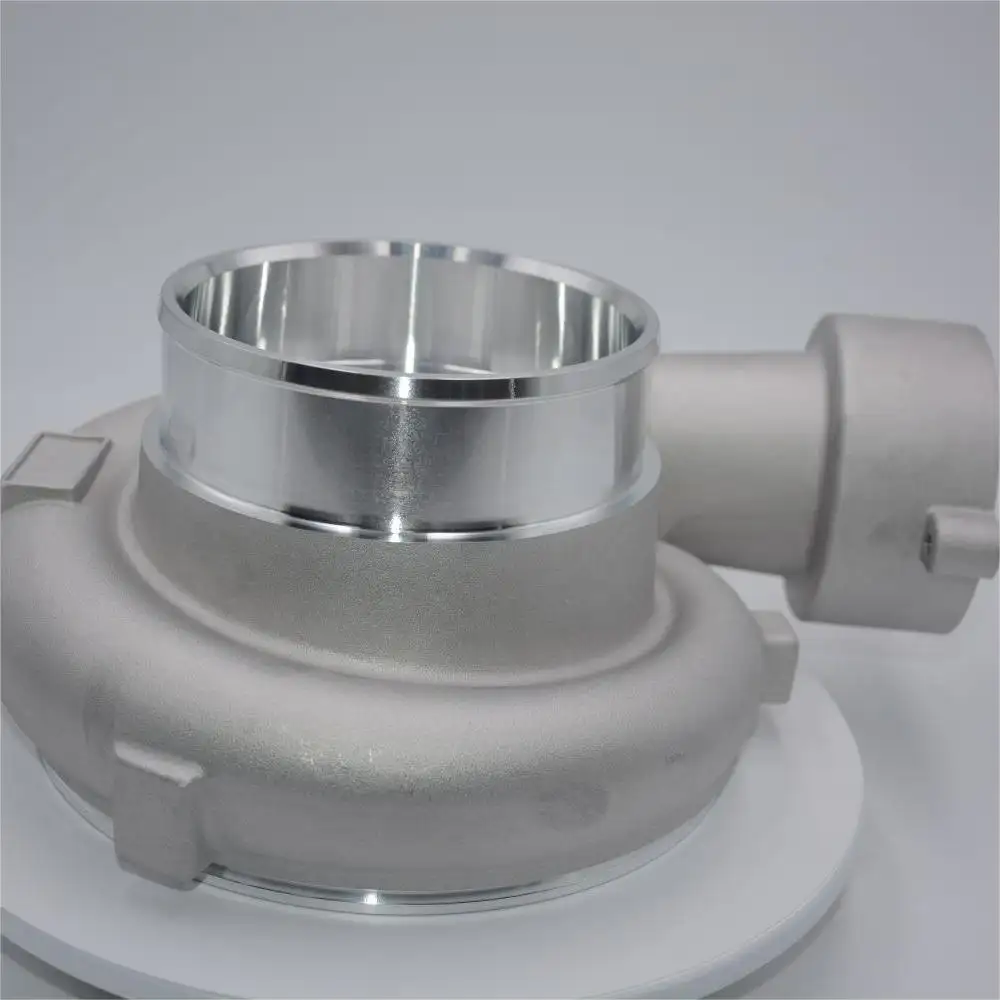
Key Factors in Developing an Effective Product Line Strategy
In the competitive landscape of the automotive aftermarket, turbocharger suppliers play a critical role in ensuring that vehicle turbocharger offerings meet the evolving needs of both distributors and end-users. Developing an effective product line strategy, particularly in the turbocharger business, requires a comprehensive understanding of market demands, supplier capabilities, and internal operational goals. For distributors aiming to build a profitable turbo business, crafting this strategy is pivotal for long-term success and market penetration.
**1. Understanding Market Segmentation and Customer Needs**
A fundamental step in developing a turbocharger supplier’s product line strategy is to segment the market effectively. Vehicle turbocharger customers range widely—from professional mechanics and automotive workshops to end consumers seeking performance upgrades. Recognizing the differences in demands based on vehicle type (passenger cars, trucks, commercial vehicles), geographic location, and price sensitivity is essential.
Distributors must leverage market research to identify which turbocharger models and specifications resonate most in each segment. For instance, some regions might have higher demand for fuel-efficient turbochargers targeting economy vehicles, while others could prioritize high-performance turbo systems for racing or luxury vehicles. An effective strategy aligns product offerings with these differentiated needs, ensuring that inventory is relevant and appealing.
**2. Product Line Depth and Breadth**
In the vehicle turbocharger arena, the breadth and depth of the product line significantly impact distributor competitiveness. Breadth refers to the variety of turbocharger types carried—such as variable geometry turbochargers (VGT), fixed geometry types, twin-scroll, and electric turbochargers—while depth relates to the range of sizes and models within each category.
An effective product line strategy balances offering enough variety to cover a broad customer base without overextending inventory costs. Turbocharger suppliers that provide modular product components or retrofit kits enable distributors to expand their offering logically without excessive SKUs. Additionally, distributors should prioritize core turbo models that match popular vehicle platforms or OEM specifications, ensuring availability and compatibility—a critical concern for many vehicle owners and repair shops.
**3. Quality Assurance and Supplier Reliability**
Vehicle turbochargers operate under extreme pressures and temperatures, making quality assurance non-negotiable. Distributors must partner with turbocharger suppliers who demonstrate consistent product reliability, backed by engineering expertise and rigorous testing procedures. Establishing strong supplier relationships also allows distributors to access the latest technological advancements, such as turbochargers designed for new fuel standards or emission regulations.
The credibility of the product line in the eyes of end users depends on supplier reputation. Distributors who integrate high-quality, warranty-backed turbo products gain a competitive advantage and reduce return rates, supporting profitability. Additionally, suppliers who offer training and after-sales support enable distributors to provide value-added services, further solidifying their market position.
**4. Pricing Strategy and Profit Margins**
Developing an effective product line strategy requires careful consideration of pricing structures to enhance profitability. Vehicle turbocharger distributors must analyze cost structures, supplier pricing, and competitor benchmarks to set competitive but profitable price points. It is equally vital to identify premium product segments where higher margins are attainable, such as high-performance turbochargers for aftermarket tuning.
Promotional pricing and bundled product offerings, including installation kits or complementary components (e.g., intercoolers, wastegates), can create better value propositions for customers and increase average purchase sizes. Distributors must also be mindful of market price elasticity—offering a mix of entry-level and premium turbos ensures capturing diverse customer groups without compromising overall margin targets.
**5. Inventory Management and Supply Chain Coordination**
An effective product line strategy hinges on streamlined inventory management aligned with demand forecasts. Vehicle turbocharger distributors must coordinate closely with suppliers to minimize lead times and avoid stockouts or obsolescence. Leveraging supplier-managed inventory models or just-in-time delivery systems can reduce working capital tied up in slow-moving SKUs.
Using data analytics to monitor sales trends by turbocharger models enables distributors to fine-tune their product line dynamically. This agile approach ensures that the product portfolio remains responsive to market shifts, technological advances, and regulatory changes related to vehicle emissions and performance standards.
**6. Embracing Innovation and Diversification**
Turbocharger suppliers constantly innovate to improve engine efficiency and reduce emissions, especially with growing regulatory pressures and the push toward greener automotive technologies. Distributors planning their product lines must remain attuned to these developments, incorporating next-generation turbochargers such as electrically assisted turbos or those designed for hybrid vehicles.
Diversification within the product line also mitigates risks inherent in market fluctuations. For example, balancing traditional vehicle turbochargers with specialty or industrial turbos (used in marine or agricultural machinery) can provide alternative revenue streams.
By integrating market intelligence, supplier cooperation, quality assurance, pricing strategies, inventory control, and innovation focus, turbocharger distributors can formulate a product line strategy that not only meets customer needs but also drives sustainable profitability and competitive advantage in the evolving automotive aftermarket.
Aligning Distributor Goals with Turbo Product Offerings
In the competitive landscape of the automotive aftermarket, distributors play a pivotal role in bridging the gap between turbocharger suppliers and end customers. For a distributor specializing in vehicle turbochargers, success hinges not only on product availability but also on the strategic alignment of distributor objectives with the specific features and benefits of turbo product offerings. This alignment ensures that distributors can effectively meet market demands, optimize inventory management, and ultimately build a profitable turbo business.
At the core of aligning distributor goals with turbo product offerings is a clear understanding of the unique value propositions inherent in different types of turbochargers. Vehicle turbochargers vary widely—from standard replacement units to advanced, performance-oriented models incorporating the latest in aerospace-grade materials and precision engineering. Distributors must recognize which products resonate most with their target customers, whether those customers are independent repair shops, specialized performance garages, or OEM service providers. By focusing on product lines that match the needs and expectations of buyers, distributors can tailor their sales and marketing efforts accordingly.
One critical factor in this alignment process is inventory management. Distributors need to collaborate closely with turbocharger suppliers to forecast demand accurately and maintain optimal stock levels. Excess inventory ties up capital and risks obsolescence, especially in a field where technological advancements can rapidly render older models less competitive. Conversely, understocking popular turbocharger models can lead to lost sales opportunities and dissatisfied customers. Through effective communication and data sharing with turbocharger suppliers, distributors can use sales trends, vehicle repair cycles, and emerging market patterns to fine-tune their inventory selection, ensuring an appropriate balance between variety and quantity.
Another dimension involves training and technical support. Turbochargers are sophisticated components that require precise installation and maintenance. When distributors align their goals with turbo product offerings, they also commit to understanding product specifications, warranty terms, and application guidelines. This knowledge empowers distributors to provide value-added services, such as technical advice and troubleshooting assistance, which differentiate their offering from competitors. Turbocharger suppliers often support this process with dedicated training programs or digital resources, further enhancing distributor expertise and confidence.
Marketing strategy alignment is equally essential. Distributors must position their vehicle turbocharger products in ways that highlight performance benefits, fuel efficiency improvements, and emission compliance—factors increasingly important to modern automotive end users. Collaboration with turbocharger suppliers enables distributors to leverage branding materials, product certifications, and case studies that validate product quality. By aligning marketing messaging with the strengths of specific turbocharger models, distributors increase their credibility and appeal across various customer segments.
Pricing strategy also benefits from alignment efforts. Distributors must work with turbocharger suppliers to establish competitive yet profitable pricing structures. This includes understanding the cost dynamics of different turbocharger technologies, such as variable geometry turbos versus fixed-geometry units, and price sensitivity in distinct markets. Aligning distributor pricing goals with supplier pricing policies ensures sustainable margins and enables tactical discounts or promotions that stimulate demand without eroding profitability.
Finally, distributors can enhance their business by aligning goals with turbocharger product innovation cycles. Suppliers continuously develop next-generation vehicle turbochargers designed for improved durability, responsiveness, and environmental compliance. Distributors who stay in sync with these innovation timelines are better positioned to introduce cutting-edge products promptly, gaining a first-mover advantage in their territories. Proactive alignment in this area fosters long-term partnerships with suppliers and supports business growth through access to premium product lines.
In conclusion, the alignment between distributor goals and turbo product offerings is a multifaceted process involving product knowledge, inventory strategy, technical support, marketing, pricing, and innovation collaboration. For a distributor focusing on vehicle turbochargers, achieving this alignment is fundamental to building a profitable turbo business that meets evolving customer needs while maintaining strong supplier relationships. As the turbocharger supplier ecosystem advances, distributors who master this alignment will be well-equipped to capitalize on new opportunities and drive sustained success in the automotive aftermarket.
Navigating Market Trends to Optimize Product Selection
In the highly competitive automotive aftermarket, turbocharger suppliers face continuous pressure to align their product lines with evolving market trends. For distributors aiming to build a profitable turbo business, understanding and capitalizing on these trends is critical to optimizing product selection and maintaining an edge in the vehicle turbocharger segment. This process involves staying ahead of industry shifts, anticipating customer demands, and strategically sourcing products that align with both current and emerging market needs.
One of the most significant drivers in the turbocharger market is the increasing global push toward greater fuel efficiency and reduced emissions. As vehicle manufacturers innovate to meet stricter environmental regulations, the demand for advanced turbochargers that can enhance engine performance while lowering carbon footprints is rising sharply. Distributors must recognize that offering a diverse portfolio, including both standard and advanced variable geometry turbochargers (VGTs), allows them to serve a wider array of vehicles and customer preferences. Aligning with original equipment manufacturer (OEM) trends and aftermarket demand for these technologies ensures product relevance and sustained sales growth.
Furthermore, the rising prevalence of turbocharged engines across a broad spectrum of vehicle types—from compact cars and SUVs to light trucks and performance vehicles—has expanded the potential market for turbocharger suppliers and distributors. This diversification requires a keen understanding of which segments are experiencing the most rapid growth. For instance, the surge in popularity of smaller displacement engines equipped with turbochargers as a means to boost power without sacrificing fuel economy highlights the importance of stocking turbochargers compatible with these engines. Vehicle turbocharger distributors who monitor these trends can proactively adjust their inventories, reducing outdated stock and replenishing high-demand components.
The integration of advanced electronics and sensor technology into modern turbochargers also shapes product selection strategies. Turbocharger suppliers now provide units equipped with electronic actuators and sensors for improved responsiveness and engine compatibility. A distributor’s ability to select products with these enhanced features can differentiate their offering from competitors who may only carry traditional mechanical turbochargers. This not only meets the needs of repair shops and automotive specialists seeking cutting-edge parts but also positions the distributor as a forward-thinking partner in the vehicle turbocharger market.
Moreover, examining geographic and demographic trends provides valuable insights for optimizing product lines. Urbanization and the expansion of ride-sharing fleets in various regions create demand for dependable, efficient turbochargers that minimize downtime and operating costs. Distributors who tailor their product assortment based on region-specific vehicle popularity—whether diesel or gasoline turbocharged models—can better serve their customer base. For example, areas with high diesel vehicle usage will necessitate a larger stock of turbochargers suitable for diesel engines, which differ significantly from gasoline engine turbochargers in design and function.
Supply chain dynamics also affect the distributor’s ability to capitalize on market trends. Establishing strong partnerships with reputable turbocharger suppliers ensures access to the latest product innovations and consistent inventory availability. Collaborative relationships can provide early insight into upcoming product launches and technology advancements, allowing the distributor to pivot quickly. Additionally, understanding global economic factors and potential disruptions in supply can prompt distributors to diversify their supplier network, thus minimizing risks and maintaining seamless product availability for their clients.
Data-driven decision-making further enhances optimized product selection. Utilizing customer purchase history, market research reports, and industry analytics enables turbocharger distributors to identify growth opportunities and forecast demand shifts. For example, if a surge in turbocharged hybrid vehicles is predicted, distributors can proactively seek suppliers offering compatible turbocharger models or complementary components. This responsiveness not only boosts profitability but also fosters stronger customer loyalty by providing the right parts when needed.
Finally, education and consultation play a role in navigating market trends effectively. Distributors who keep themselves and their sales teams informed about the latest industry developments and turbocharger technologies can better advise their customers. Providing value-added services, such as technical support and training on new turbo technologies, positions the distributor as an expert resource. This expertise builds trust and encourages repeat business from mechanics, fleet operators, and automotive enthusiasts investing in vehicle turbochargers.
In essence, optimizing product selection in the vehicle turbocharger market requires a multifaceted approach that incorporates industry trend analysis, supplier collaboration, regional market awareness, and data-driven insights. By systematically navigating these factors, turbocharger suppliers and distributors can construct a product line strategy that not only meets current demand but also anticipates future market directions, sustaining profitability in a dynamic automotive sector.
Implementing Growth Strategies for Long-Term Business Success
In the competitive landscape of the automotive aftermarket, turbocharger suppliers face constant pressure to innovate, expand, and maintain profitability. For distributors specializing in vehicle turbochargers, implementing effective growth strategies is essential not just for immediate gains but for establishing long-term business success. Achieving sustainable growth requires a multifaceted approach that blends market insight, strategic product line management, operational efficiency, and customer-centric initiatives. Below, we explore key strategies that turbocharger suppliers and distributors can adopt to build a robust and profitable business.
**1. Diversifying the Product Line with a Focus on Quality and Innovation**
A core element for any turbocharger supplier is the ability to offer a diverse yet high-quality product line that meets the evolving demands of the automotive industry. Vehicle turbochargers are subject to rapid technological advancements, and customers increasingly expect suppliers to provide cutting-edge options compatible with new vehicle models and emission standards.
Expanding the product line to include a range of turbochargers—from OEM replacements to performance upgrades—allows distributors to target multiple customer segments. Beyond traditional vehicle turbocharger units, including specialized turbo components such as cartridges, actuators, and control systems can create additional revenue streams and improve customer retention. Prioritizing quality certifications and continuous improvement in product design enhances the distributor’s reputation and reduces costly warranty claims that can erode profitability.
**2. Leveraging Market Intelligence and Data-Driven Decision Making**
In today’s fast-paced business environment, knowledge is power. Implementing growth strategies for long-term success means turbocharger suppliers must harness market intelligence to anticipate trends and customer needs. Regular analysis of sales data, competitor activities, and emerging automotive technologies can help distributors identify growth opportunities and avoid stagnation.
For example, data insights may reveal rising demand for variable geometry turbochargers (VGTs) in diesel vehicles or increased interest in turbocharger kits for aftermarket performance tuning. Armed with such information, distributors can proactively adjust inventory levels, negotiate better supplier terms, and tailor marketing campaigns to specific segments, maximizing their return on investment.
**3. Strengthening Supply Chain and Operational Efficiency**
Efficient supply chain management is fundamental to sustaining growth in the turbocharger distribution business. Distributors should cultivate strong relationships with multiple vehicle turbocharger manufacturers and suppliers to ensure consistent product availability and mitigate risks associated with supply disruptions.
Implementing inventory management technologies—such as just-in-time ordering systems—and embracing lean operational practices help reduce excess stock and minimize carrying costs. Furthermore, optimizing logistics through regional warehouses or strategic partnerships can expedite delivery times, which enhances customer satisfaction and builds brand loyalty.
**4. Fostering Customer Relationships and After-Sales Support**
Long-term business success in the turbocharger sector heavily depends on repeat customers and positive word-of-mouth. Distributors should invest in robust customer relationship management systems to maintain continuous communication with installers, mechanics, and end-users.
Offering technical support, installation guidance, and training workshops transforms the distributor from a mere product supplier into a reliable industry partner. Additionally, after-sales services such as warranty handling, product recalls, and performance troubleshooting reinforce trust and encourage customers to rely on the supplier for future needs.
**5. Expanding Market Reach through Strategic Partnerships and Digital Channels**
To scale growth, turbocharger suppliers and distributors must diversify their market reach. Forming strategic partnerships with automotive service chains, fleet operators, and tuning shops can open new sales channels and increase product visibility.
**6. Continuous Learning and Adaptability**
The automotive aftermarket, particularly the turbocharger segment, is influenced by regulatory changes related to emissions, fuel efficiency standards, and technological innovation. A distributor committed to long-term success must stay informed and agile, continuously adapting the product line and business model to remain relevant. Participating in industry trade shows, engaging with professional networks, and fostering a culture of learning within the organization enhances the capability to respond effectively to change.
By integrating these growth strategies, turbocharger suppliers and distributors can build a resilient business foundation that supports profitability and withstands market volatility. Prioritizing product innovation, data-driven planning, operational excellence, customer focus, and market expansion equips distributors with the tools necessary for sustainable success in the dynamic vehicle turbocharger sector.
Conclusion
In conclusion, building a profitable turbo business requires not only a deep understanding of the market but also a strategic approach to your product line. With 9 years of experience in the industry, we’ve seen firsthand how carefully selected and managed product offerings can drive sustainable growth and customer loyalty. For distributors looking to thrive, focusing on quality, variety, and aligning your inventory with customer needs is essential. By leveraging these insights and continuously adapting to market trends, your turbo business can accelerate toward lasting profitability and success.
Table of Contents
GET IN TOUCH WITH Us
Professional manufacturer of turbochargers and components used for diesel, natural gas engines & engineering machinery.
Useful Links
Products
Contact Us
Add: NO.1060, Antaisan Rd, Houqiao Street, Xishan District, Wuxi, Jiangsu, China