Please fill out the form below to request a quote or to request more information about us. please be as detailed as possible in your message, and we will get back to you as soon as possible with a response. we're ready to start working on your new project, contact us now to get started.
The Ultimate Guide To Turbocharger Sourcing: OEM, Aftermarket, And Hybrid Applications
2026-01-21
YUSEN Power
51
Are you looking to maximize your vehicle’s performance with the perfect turbocharger but unsure where to start? Whether you’re considering OEM parts, exploring aftermarket options, or intrigued by innovative hybrid applications, choosing the right turbocharger can make all the difference. In “The Ultimate Guide to Turbocharger Sourcing: OEM, Aftermarket, and Hybrid Applications,” we break down everything you need to know to make an informed decision—from understanding key differences and benefits to finding the best fit for your engine and budget. Dive in to discover expert insights and practical tips that will turbocharge your knowledge and your ride!
Understanding Turbocharger Basics and Their Role in Engine Performance
Turbochargers have become a cornerstone technology in modern automotive engineering, transforming how engines perform by enhancing power output, fuel efficiency, and emissions control. For anyone navigating the complex market of turbocharger sourcing—whether seeking an OEM turbocharger, consulting aftermarket turbocharger manufacturers, or exploring the capabilities of hybrid turbochargers—understanding the fundamental working principle and role of turbochargers is essential.
At its core, a turbocharger is a turbine-driven forced induction device that increases an engine’s efficiency and power output by forcing extra compressed air into the combustion chamber. It consists of two main components: a turbine and a compressor. Exhaust gases expelled from the engine spin the turbine, which in turn spins the compressor. The compressor draws in ambient air, compresses it, and feeds it into the engine’s intake manifold at a higher pressure than atmospheric pressure. This process allows the engine to burn more fuel and air in the same cylinder volume, generating significantly higher power than naturally aspirated engines of the same displacement.
The impact of a turbocharger on engine performance is multifaceted. First, it boosts horsepower and torque across a wide RPM range, giving vehicles enhanced acceleration and drivability. This makes turbochargers particularly prized in performance cars, commercial vehicles, and even heavy-duty machinery. Secondly, turbochargers contribute to better fuel economy by enabling smaller displacement engines to produce power comparable to larger engines, reducing fuel consumption and emissions. This aligns with the growing global emphasis on stricter emissions regulations and environmentally friendly technologies.
When sourcing turbochargers, understanding the difference between options is crucial. Original Equipment Manufacturer (OEM) turbochargers are developed to meet the specific design and performance parameters of a vehicle. They are engineered for reliability, precise fitment, and factory warranty compliance. For those seeking cost-effective alternatives or performance upgrades, aftermarket turbocharger manufacturers offer a wide range of products. These suppliers often provide turbochargers that are compatible with existing engine setups but come with varying designs, materials, and performance characteristics tailored for either replacement or enhancement. The availability from aftermarket turbocharger suppliers ensures buyers can find solutions for vintage, rare, or modified vehicles that OEM suppliers might not support.
The emergence of hybrid turbochargers represents an exciting evolution in turbocharging technology. A hybrid turbocharger typically combines elements of two different turbocharger technologies to remedy traditional turbo lag and optimize performance across the engine’s entire power band. For example, a hybrid turbo might pair a small, quick-spooling compressor wheel with a larger turbine housing, balancing low-end responsiveness and high-end power delivery. Hybrid turbochargers are increasingly popular in high-performance and motorsport applications as well as in advanced aftermarket solutions, where turbocharger suppliers cater to enthusiasts seeking cutting-edge performance improvements.
Collaborating with reputable turbocharger suppliers is pivotal when selecting any turbocharger type—OEM, aftermarket, or hybrid. Quality, warranty, and technical support are decisive factors influencing long-term reliability and engine health. Aftermarket turbocharger manufacturers must maintain rigorous testing standards to ensure their products withstand the increased thermal and mechanical stresses turbocharged engines endure. Moreover, hybrid turbocharger suppliers often customize compressor and turbine designs to fine-tune performance, requiring precise engineering expertise.
In conclusion, the turbocharger stands as a vital technological component that revolutionizes engine performance by enhancing power, efficiency, and emissions compliance. Whether sourcing from an OEM turbocharger supplier for guaranteed fitment and warranty, turning to aftermarket turbocharger manufacturers for affordability and variety, or embracing hybrid turbochargers for innovative performance solutions, a clear grasp of turbocharger fundamentals is indispensable. This knowledge not only empowers informed purchasing decisions but also fosters better understanding of how turbochargers elevate engine capabilities across various automotive and industrial applications.
Exploring OEM Turbochargers: Advantages and Considerations
When diving into the world of turbocharger sourcing, one cannot overlook the significance of Original Equipment Manufacturer (OEM) turbochargers. These units are designed, manufactured, and supplied by the same entities responsible for the turbos initially installed in vehicles. Understanding the advantages and key considerations associated with OEM turbochargers is crucial for anyone involved in automotive performance, repair, or modification—whether you are a vehicle owner, mechanic, or a professional working with a turbocharger supplier.
**Advantages of OEM Turbochargers**
OEM turbochargers come with the distinctive benefit of authenticity. Since they are produced by the exact manufacturer responsible for the original turbocharger, OEM units promise precise engineering, original specifications, and full compatibility with the vehicle’s engine and components. This adherence to original design parameters means OEM turbochargers provide optimal performance, reliability, and efficiency right out of the box.
One critical advantage is the peace of mind OEM turbochargers offer regarding durability and longevity. Because these parts meet the stringent quality standards of the original vehicle manufacturer, they generally boast longer service lives compared to many aftermarket options. For fleets or high-mileage vehicles, selecting an OEM turbocharger can reduce downtime and maintenance costs over time.
Moreover, OEM turbochargers retain the vehicle’s factory warranty and compliance with emission regulations. This compliance is particularly important for newer vehicles subjected to strict environmental standards. Using an OEM turbocharger helps maintain the integrity of emission control systems—a growing concern among owners and turbocharger suppliers who prioritize sustainability alongside performance.
**Considerations When Choosing OEM Turbochargers**
Despite their advantages, OEM turbochargers are not without certain limitations. One notable factor to consider is cost. OEM units typically carry a higher price tag compared to aftermarket turbocharger manufacturers’ products. This premium is often justified by their quality and fitment assurance; however, it may pose budgetary constraints for some buyers.
Availability and lead time also represent key considerations. OEM turbochargers might have limited stock or longer wait times, especially for older or less common vehicle models. Such delays can affect repair schedules and operational efficiency, pushing some consumers toward aftermarket alternatives.
Another point of reflection is the limited customization of OEM turbochargers. While they deliver factory-precise performance, enthusiasts or businesses seeking specialized power curves, increased boost pressure, or unique hybrid turbocharger setups may find OEM options restrictive. Aftermarket turbocharger manufacturers and hybrid turbocharger suppliers often provide tailored solutions to meet these demands.
**The Role of Turbocharger Suppliers in OEM Distribution**
Navigating the acquisition of OEM turbochargers often involves collaborating closely with trusted turbocharger suppliers. These suppliers vet and source authentic OEM parts directly from manufacturers or authorized distributors, ensuring that customers receive genuine components. Working with a reputable turbocharger supplier guarantees quality control and support for warranty claims—an essential consideration in the OEM marketplace.
Furthermore, many turbocharger suppliers today offer a comprehensive product range that spans OEM, aftermarket, and hybrid turbochargers, allowing customers to compare options and select the best fit for their needs. This versatility makes suppliers vital partners in managing turbocharger sourcing strategies.
**Balancing OEM with Aftermarket and Hybrid Turbos**
In parallel, hybrid turbochargers—combining components from OEM and aftermarket designs—offer innovative solutions designed to maximize power and efficiency. These setups appeal to customers who want the reliability of original parts coupled with enhanced performance capabilities.
In conclusion, OEM turbochargers remain a cornerstone in turbocharger sourcing due to their authenticity, quality, and compliance assurances. Still, it is important to weigh these benefits against cost, availability, and customization needs when deciding between OEM, aftermarket, or hybrid turbocharger options facilitated by reliable turbocharger suppliers.
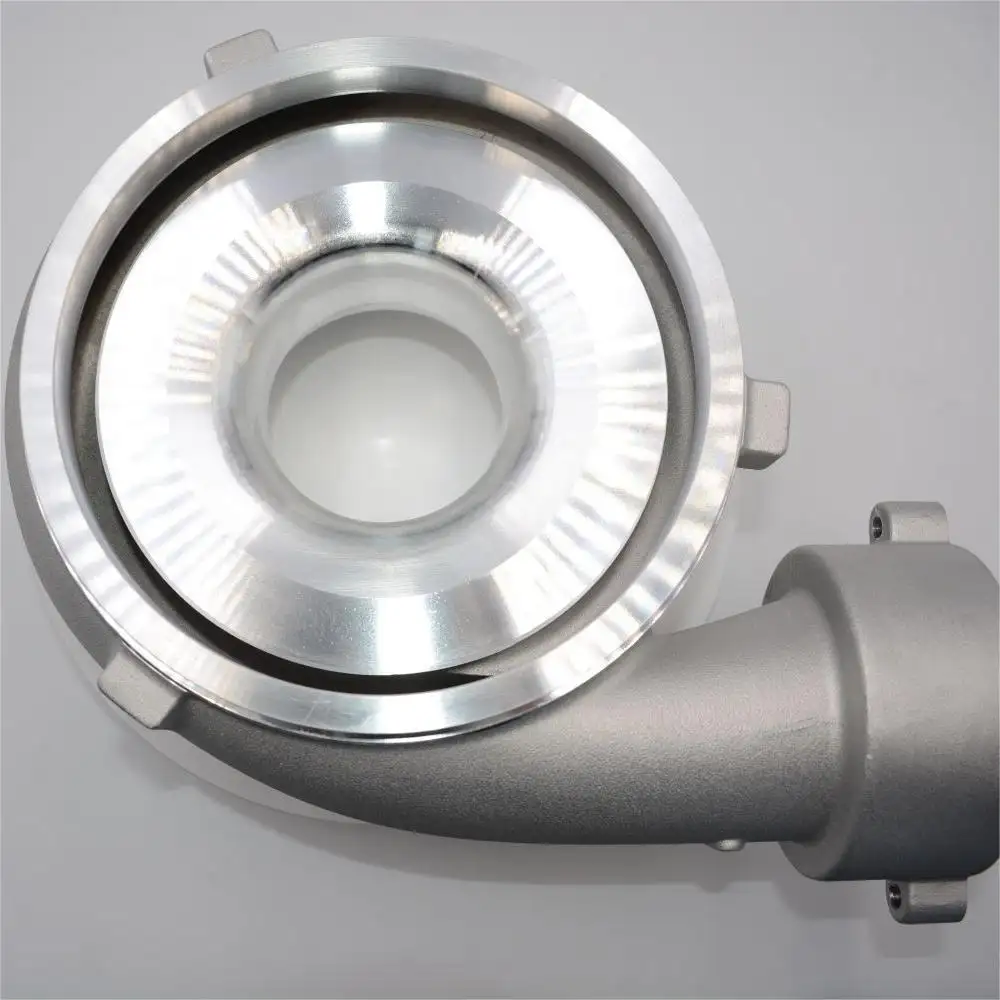
Aftermarket Turbochargers: Customization, Benefits, and Potential Risks
In the ever-evolving automotive industry, turbochargers have cemented their importance due to their ability to enhance engine performance and fuel efficiency. When sourcing turbochargers, enthusiasts and professionals often face the decision between OEM (Original Equipment Manufacturer), aftermarket, and hybrid turbocharger options. Focusing on aftermarket turbochargers, this segment has grown significantly and offers a myriad of customization possibilities, distinct advantages, and certain inherent risks. Understanding these facets is crucial when working with a reliable turbocharger supplier or aftermarket turbocharger manufacturers.
**Customization: Tailoring Performance to Specific Needs**
One of the most compelling reasons to opt for an aftermarket turbocharger is the extensive customization options available. Unlike OEM turbochargers—designed to meet the general specifications of a production vehicle—aftermarket turbochargers cater to performance enthusiasts looking to maximize output or tailor turbo performance for specific applications.
Aftermarket turbocharger manufacturers offer a variety of models with different compressor sizes, turbine configurations, and housing materials, enabling precise tuning to a vehicle’s engine characteristics and intended usage. Whether the goal is improved spool-up times for street driving or higher boost pressures for competitive racing, aftermarket units can be custom-built or modified with upgraded components such as billet wheels, hybrid turbines, or reinforced housings.
The emergence of hybrid turbochargers, which combine elements of OEM and aftermarket designs, further extends customization potential. These hybrids blend efficient OEM turbine wheels with larger compressor wheels from the aftermarket segment, striking balances between reliability and increased performance. Several turbocharger suppliers now specialize in developing these hybrid turbochargers customized to individual vehicle requirements, meeting the demand for both power and durability.
**Benefits: Performance, Cost-Effectiveness, and Availability**
The aftermarket turbocharger market is buoyed by several benefits that appeal to a wide spectrum of users. Firstly, aftermarket units are typically more cost-effective compared to OEM parts, often providing equivalent or superior performance at a lower price. This affordability allows vehicle owners and tuners to experiment with various turbo upgrades without a huge financial commitment.
From a performance standpoint, aftermarket turbochargers are engineered to push engines beyond stock limits by increasing maximum boost levels and airflow. This enhances horsepower and torque, often accompanied by improved throttle response and driveability. Aftermarket turbochargers are also frequently lighter due to the use of advanced materials and design optimizations, contributing to the overall efficiency of the powertrain.
Availability is another practical advantage. While OEM turbochargers sometimes face supply chain challenges or limited application coverage, aftermarket turbocharger manufacturers generally supply a wider range of options compatible with diverse vehicle models. This flexibility makes aftermarket suppliers invaluable resources, especially in specialized or performance-oriented vehicle sectors.
Additionally, the aftermarket industry supports customization services such as porting, balancing, and repainting, which improve the turbocharger’s lifespan and aesthetic appeal. Hybrid turbocharger solutions further broaden these benefits by leveraging OEM reliability with aftermarket performance upgrades, offering an optimum balance for some users.
**Potential Risks: Reliability, Compatibility, and Warranty Issues**
Despite the compelling benefits offered by aftermarket turbochargers, certain risks must be carefully considered. The foremost concern is reliability. Unlike OEM turbochargers, which undergo rigorous testing and validation by vehicle manufacturers, aftermarket units vary widely in quality depending on the manufacturer or supplier. Choosing turbocharger suppliers or aftermarket turbocharger manufacturers with poor quality controls may result in units prone to premature failure, inefficient boost delivery, or turbo lag.
Compatibility is another challenge, especially with custom or hybrid turbochargers. Improperly matched turbochargers can cause engine stress, require significant modification to existing systems like exhaust manifolds or intercoolers, and lead to suboptimal engine management. This makes it crucial to rely on expert turbocharger suppliers who understand engine-turbo interaction and can recommend appropriate units.
Warranty issues present an additional layer of risk. OEM turbochargers typically include manufacturer warranties covering defects or early failures. Aftermarket products may have limited or no warranty coverage, placing the onus of risk on the vehicle owner. Installation by inexperienced technicians or failure to properly tune the engine after upgrading the turbocharger can exacerbate these risks, voiding warranties and potentially damaging engine components.
Moreover, some aftermarket turbochargers might not meet emissions regulations in certain regions, resulting in compliance challenges for street-driven vehicles. Consultation with knowledgeable turbocharger suppliers and aftermarket turbocharger manufacturers is essential to ensure chosen turbochargers meet legal standards and performance expectations.
In conclusion, aftermarket turbochargers provide exciting possibilities for customization and performance enhancement at an accessible price point. However, the associated risks demand that consumers carefully vet turbocharger suppliers and aftermarket turbocharger manufacturers to prioritize quality, compatibility, and compliance within their vehicle’s application. Hybrid turbochargers, bridging OEM reliability and aftermarket innovation, emerge as a promising solution for enthusiasts seeking dependable yet powerful upgrades.
Hybrid Turbocharger Solutions: Combining the Best of Both Worlds
At its core, a hybrid turbocharger is a modified or custom-built turbo unit that merges components from different turbocharger designs—often blending OEM precision engineering with aftermarket enhancements—to deliver improved boost response, greater durability, and optimized airflow characteristics. Unlike traditional turbochargers that rely solely on either OEM parts or aftermarket modifications, hybrids leverage the best features from each to overcome common limitations such as turbo lag, thermal inefficiency, and mechanical wear.
**The Engineering Behind Hybrid Turbocharger Solutions**
Hybrid turbochargers typically involve the integration of an OEM turbine housing with an aftermarket compressor wheel, or vice versa. By utilizing OEM housings—known for their stringent quality controls and proven fitment—hybrid configurations maintain the critical durability and reliability expected in high-stress environments. Meanwhile, aftermarket turbocharger manufacturers contribute their cutting-edge compressor wheel designs, which often feature enhanced aerodynamics, increased flow capacity, and lightweight materials such as billet aluminum or titanium.
This fusion results in a turbocharger that can operate efficiently across a wider RPM range, providing quicker spool-up times and higher peak boost pressures without compromising the integrity of the turbo unit. Moreover, hybrid setups often benefit from improved thermal management, as aftermarket components may include advanced coatings or heat-resistant alloys that reduce the risk of overheating and extend component life.
**Advantages of Hybrid Turbocharger Solutions**
One of the key advantages of opting for a hybrid turbocharger solution is the balance between cost and performance. Turbocharger suppliers and aftermarket turbocharger manufacturers alike recognize that purely OEM replacements can be expensive and limited in performance variation, while fully aftermarket turbos might sacrifice compatibility or long-term reliability. Hybrids, therefore, offer a tailored, cost-effective alternative that meets both performance demands and budget constraints.
For performance enthusiasts and commercial applications, hybrid turbochargers enable significant horsepower gains with minimized turbo lag, thus improving throttle response and overall drivability. This is particularly important in motorsports and heavy-duty engine applications where seamless power delivery and engine responsiveness are crucial.
Furthermore, hybrid turbocharger solutions offer flexibility to meet diverse application needs. Since hybrid designs often customize the compressor and turbine pairing, they can be fine-tuned for specific engine displacement, boost targets, and fuel types. This adaptability positions hybrid turbochargers as a preferred choice for vehicle manufacturers seeking bespoke turbo solutions or automotive specialists looking to upgrade engines without extensive modifications.
**Sourcing Hybrid Turbochargers: Choosing the Right Partner**
Selecting the appropriate turbocharger supplier is essential when considering hybrid turbocharger solutions. Both OEM and aftermarket turbocharger manufacturers bring valuable expertise and resources to the table, making partnerships or collaborations between the two increasingly common in the industry.
Aftermarket turbocharger manufacturers specializing in hybrid components tend to have deep engineering knowledge and a focus on innovation, often supported by R&D facilities dedicated to performance testing and material advancements. When combined with OEM-quality housings or control systems, these hybrid turbochargers offer the best of both worlds: cutting-edge technology backed by reliable manufacturing standards.
For businesses sourcing turbochargers, it is crucial to evaluate suppliers not only based on product specifications but also on their ability to provide technical support, customization options, and post-sale service. The hybrid nature of these turbochargers means that precise engineering and quality assurance are necessary to ensure long-term performance and compatibility.
****
Hybrid turbocharger solutions effectively bridge the gap between OEM reliability and aftermarket performance enhancements, providing an optimal path for those pursuing high-performance, efficient, and durable turbocharging options. With the collaboration of turbocharger suppliers and aftermarket turbocharger manufacturers, hybrid turbos are redefining how boosted engines meet modern demands across automotive and industrial sectors. Embracing these hybrid systems allows stakeholders to harness innovation without compromising on quality—a true testament to combining the best of both worlds.
Key Factors to Consider When Sourcing Turbochargers for Different Applications
When it comes to sourcing turbochargers for various applications, understanding the key factors that influence your choice is essential for optimal performance, durability, and cost-efficiency. Turbocharger technology has evolved tremendously, encompassing OEM (Original Equipment Manufacturer) units, aftermarket turbochargers, and increasingly popular hybrid turbochargers. Each application—from commercial vehicles and passenger cars to industrial machinery and motorsport engines—demands unique considerations. Below, we explore the critical factors that businesses and individuals should evaluate when selecting the right turbocharger supplier and product for their specific needs.
### Application-Specific Performance Requirements
The foremost factor to consider is the performance requirements dictated by the application. For instance, a turbocharger designed for a heavy-duty truck engine needs to prioritize durability and high torque output at low RPMs, whereas a turbo for sports cars must optimize for higher power at elevated RPMs without sacrificing reliability. OEM turbochargers typically come designed to meet exact engine specifications and emissions standards, making them suitable for users who want guaranteed compatibility and compliance.
Aftermarket turbocharger manufacturers offer a broad range of options tailored for upgrades and replacements, often with the flexibility to enhance performance beyond stock levels. However, quality can vary widely among aftermarket suppliers, so sourcing from reputable aftermarket turbocharger manufacturers becomes vital. Hybrid turbochargers, which combine features from multiple designs—such as mixing compressor wheels and turbines from different models—are becoming a popular middle ground, enabling precise tuning for custom applications that demand both power and efficiency.
### Compatibility and Installation Considerations
Another major factor is compatibility between the turbocharger and the engine or system it will serve. Turbochargers are highly engineered components requiring precise fitment; therefore, selecting a turbocharger supplier with comprehensive technical support and clear specifications is crucial. OEM turbochargers provide plug-and-play solutions with minimal installation risk, favored in original vehicle builds or strict replacement scenarios.
Aftermarket turbocharger manufacturers may produce universal or vehicle-specific units, but installations can sometimes require additional modifications such as custom piping, intercoolers, or ECU remapping. Hybrid turbochargers, often used in performance tuning and commercial hybrid vehicle systems, might demand advanced engineering expertise during installation due to their customized nature. It’s advised to evaluate the availability of installation guidance, warranty coverage, and post-sale support from the turbocharger supplier to avoid costly downtime.
### Quality, Materials, and Durability
The materials used in turbocharger construction play a significant role in the durability and lifespan of the component. High-performance applications, particularly those involving extreme temperatures and pressures, require turbochargers made from advanced alloys and with high-quality bearings. OEM turbochargers typically adhere to stringent quality standards, ensuring consistent material quality and durability.
In contrast, aftermarket turbocharger manufacturers vary widely. Turn to suppliers with verifiable certifications and positive industry reputations to minimize the risks of premature failure. Hybrid turbochargers, which often combine components from different sources, must be inspected carefully for quality assurance to ensure no compromise in materials or manufacturing integrity.
### Cost Effectiveness and Availability
Budget constraints always factor into the decision-making process. OEM turbochargers tend to be premium-priced due to their guaranteed compatibility, certification, and brand assurance. Aftermarket turbochargers often provide more affordable alternatives with varying quality tiers, making them attractive for budget-conscious buyers or those seeking performance enhancements.
Hybrid turbochargers usually fall within a middle pricing spectrum, reflecting their custom-built nature. When sourcing turbochargers, it is important to consider lead times and availability, particularly for hybrid models that might require longer production cycles or sourcing from specialized turbocharger suppliers.
### Environmental Compliance and Emission Regulations
With increasing global emission standards, sourcing turbochargers compliant with regional regulations is a critical step. OEM turbochargers are designed to meet these emission requirements directly, simplifying regulatory adherence. Aftermarket turbocharger manufacturers may offer upgraded or modified designs that could affect compliance status unless specifically certified.
Hybrid turbochargers, especially those used in hybrid electric vehicles (HEVs), offer opportunities to improve fuel efficiency and reduce emissions through optimized airflow and exhaust energy recovery. Ensuring that your turbocharger supplier understands these regulatory frameworks is vital to avoid legal challenges and fines.
### Supplier Reputation and After-Sales Support
A reputable turbocharger supplier can make a substantial difference in your sourcing experience. Partnering with established aftermarket turbocharger manufacturers or trusted hybrid turbocharger innovators ensures greater reliability and access to technical support. Suppliers that provide responsive customer service, warranty options, and detailed product documentation reduce risks associated with performance failure or incorrect selection.
In conclusion, the decision to select an OEM, aftermarket, or hybrid turbocharger should involve a comprehensive understanding of the application’s performance needs, compatibility, material quality, cost, regulatory compliance, and supplier support. By carefully weighing these factors, businesses and individuals can confidently partner with the right turbocharger supplier to achieve superior engine performance and longevity tailored precisely to their unique application.
Conclusion
In conclusion, navigating the world of turbocharger sourcing—whether OEM, aftermarket, or hybrid—requires a well-informed approach to ensure optimal performance, reliability, and value. With over nine years of experience in the industry, we understand the unique needs and challenges that come with selecting the right turbocharger solution for your specific application. By leveraging our expertise and deep knowledge, we are committed to helping you make confident, informed decisions that enhance your vehicle’s efficiency and longevity. Whether you're upgrading, maintaining, or customizing, choosing the right turbocharger is crucial, and with the right guidance, you can unlock your engine’s full potential.
Table of Contents
GET IN TOUCH WITH Us
Professional manufacturer of turbochargers and components used for diesel, natural gas engines & engineering machinery.
Useful Links
Products
Contact Us
Add: NO.1060, Antaisan Rd, Houqiao Street, Xishan District, Wuxi, Jiangsu, China