Please fill out the form below to request a quote or to request more information about us. please be as detailed as possible in your message, and we will get back to you as soon as possible with a response. we're ready to start working on your new project, contact us now to get started.
Navigating The Global Market: An Analysis Of Automotive Turbocharger Manufacturers' Strengths
2026-01-23
YUSEN Power
33
In today’s fiercely competitive automotive industry, turbochargers have become a critical component driving efficiency, performance, and innovation. But behind every powerful engine lies a complex network of manufacturers striving to lead in technology, quality, and market reach. In “Navigating the Global Market: An Analysis of Automotive Turbocharger Manufacturers' Strengths,” we delve deep into the key players shaping this dynamic landscape. Discover how industry leaders differentiate themselves, the strategies propelling their success, and what emerging trends could redefine the future of turbocharging. Whether you’re an automotive enthusiast, industry professional, or investor, this comprehensive analysis will equip you with the insights needed to understand the forces accelerating the global turbocharger market. Read on to explore who’s driving ahead and why it matters.
Overview of the Global Automotive Turbocharger Market
The global automotive turbocharger market holds a pivotal position within the broader automotive industry, serving as a critical enabler for performance enhancement, fuel efficiency, and emissions control in modern vehicles. The rising demand for turbochargers is largely driven by stringent environmental regulations, increasing consumer preference for fuel-efficient vehicles, and an ongoing industry movement toward downsizing internal combustion engines without compromising power output. This complex market is characterized by the presence of diverse automotive turbocharger manufacturers spread across the world, each leveraging unique strengths and technological advancements to capture market share.
A turbocharger is essentially a forced induction device that increases an engine’s efficiency and power output by forcing extra compressed air into the combustion chamber. This technology has been widely adopted in both gasoline and diesel engines, spanning passenger cars, commercial vehicles, and even motorsports applications. The global turbocharger market has witnessed rapid expansion due to the pressing need to meet global emission standards such as Euro 6, China VI, and EPA Tier 3, especially in regions like Europe, North America, and China. These regulations have incentivized automakers to integrate turbochargers as part of their engine design to deliver cleaner combustion and reduced fuel consumption.
From a geographic perspective, the turbocharger market is notably segmented into regions such as North America, Europe, Asia-Pacific, Latin America, and the Middle East & Africa. Asia-Pacific, led by countries like China, Japan, and South Korea, commands a significant share of the market due to the presence of major automotive manufacturing hubs. Chinese automotive turbocharger manufacturers have been burgeoning rapidly, supported by expanding domestic vehicle production and government initiatives fostering automotive innovation. Europe remains a key market as well, given its early adoption of strict emission norms and home to some of the most technically advanced automotive turbocharger manufacturers. North American players focus aggressively on technological innovation to cater both to domestic and global markets, often pioneering next-generation turbocharger solutions.
A central theme within the automotive turbocharger manufacturers in the world is the intense competition and the need for continuous innovation. Industry leaders invest heavily in research and development to enhance turbocharger efficiency, durability, and integration with emerging vehicle technologies such as hybrid powertrains and electric-boost assist systems. For instance, manufacturers are increasingly exploring variable geometry turbochargers (VGTs) and electrically assisted turbochargers to reduce turbo lag and enhance responsiveness, aligning with consumer demands for a smoother driving experience without sacrificing fuel economy.
Key manufacturers in the global market include names like BorgWarner, Honeywell Garrett, Mitsubishi Heavy Industries, IHI Corporation, and Cummins Turbo Technologies, among others. These companies leverage vast experience, high production capacities, and robust distribution networks to maintain leadership positions. They also collaborate closely with original equipment manufacturers (OEMs) to tailor turbocharging systems for a wide array of vehicle models across passenger and commercial segments. Such partnerships are critical to ensuring that turbocharger manufacturers can keep pace with OEMs’ evolving design specifications and market demands.
Furthermore, the market dynamics for turbocharger manufacturers are influenced by emerging trends such as the rise of electric vehicles (EVs). While turbochargers are not applicable in pure battery-electric vehicles, hybrid vehicles that combine internal combustion engines with electric motors present new opportunities. Turbocharger manufacturers are pivoting toward innovations that complement hybrid powertrains, focusing on optimizing engine efficiency and transient response across varying load conditions.
In addition, fluctuations in raw material costs, government trade policies, and geopolitical developments play a critical role in shaping the global automotive turbocharger market. Manufacturers often face challenges in sourcing materials like high-grade alloys suitable for turbocharger turbines, which must withstand extreme temperatures and rotational speeds. Those manufacturers able to secure stable supply chains and adapt to global economic shifts typically exhibit stronger market resilience.
In conclusion, the global automotive turbocharger market is a vibrant and rapidly evolving sector that draws on advanced automotive turbocharger manufacturers worldwide to meet ever-increasing regulatory demands and shifting consumer preferences. The interplay of technological innovation, regional market dynamics, and strategic alliances continues to define the competitive landscape. As the automotive industry as a whole transitions toward sustainable and efficient mobility solutions, turbocharger manufacturers remain integral players in supporting this transformation through their expertise and product advancements.
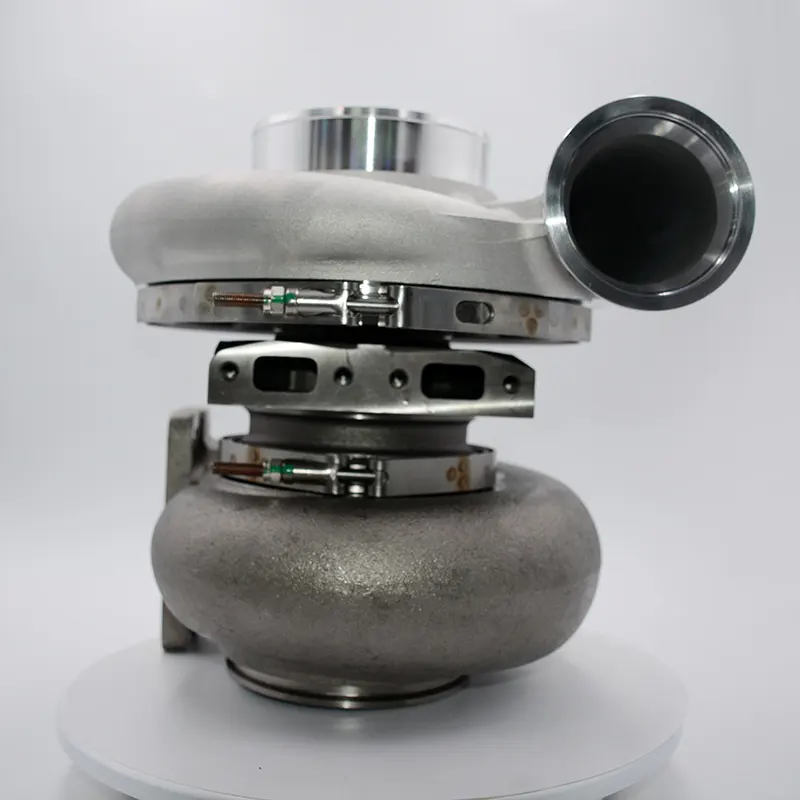
Key Competencies of Leading Turbocharger Manufacturers
In the highly competitive landscape of the automotive industry, turbocharger manufacturers play a pivotal role in enhancing engine performance, improving fuel efficiency, and reducing emissions. The global market for automotive turbochargers is dominated by a handful of key players whose success is largely driven by distinctive competencies that enable them to maintain leadership and innovate consistently. Understanding these core strengths offers valuable insight into how turbocharger manufacturers in the world have positioned themselves at the forefront of technology and market share.
One of the most critical competencies of leading automotive turbocharger manufacturers is technological innovation. The turbocharger industry is inherently linked to advancements in engine technology, emission control, and fuel efficiency. Top manufacturers invest heavily in research and development (R&D) to design cutting-edge turbocharger systems that meet the stringent global regulatory standards on emissions and fuel consumption. These manufacturers leverage sophisticated materials technology, precision engineering, and advanced aerodynamics to deliver turbochargers capable of higher pressure ratios with improved durability and reduced lag time. For example, the development of variable geometry turbochargers (VGTs) has been a breakthrough achievement that many leading firms incorporate to optimize engine response under various driving conditions.
Another key competency is their robust manufacturing capabilities combined with a globally integrated supply chain. Leading automotive turbocharger manufacturers operate highly automated production lines equipped with state-of-the-art machining and quality control technologies. This manufacturing excellence ensures consistent product quality at scale, a critical factor given the demanding operating conditions turbochargers must endure. Furthermore, their global footprint in manufacturing and sourcing allows these companies to manage costs efficiently while responding rapidly to regional market demands. Having manufacturing facilities and development centers strategically located across continents—from Asia to Europe and North America—enables these manufacturers to serve both OEMs (Original Equipment Manufacturers) and aftermarket segments effectively.
The ability to maintain close relationships with automotive OEMs is also central to the strength of leading turbocharger manufacturers in the world. Collaborating closely with car manufacturers allows turbocharger companies to align product development with evolving vehicle architectures and performance requirements. These partnerships often involve co-development projects exceeding traditional supplier bounds, including integration of turbocharging systems with engine management software, hybrid drivetrains, and even electrification solutions. Such collaboration enhances product customization and integration, which is essential in today’s diverse vehicle platforms. Leading turbocharger manufacturers often provide technical support, testing, and engineering services to ensure seamless integration, ultimately adding value for both the OEM and end consumers.
Sustainability focus has emerged as another defining competency amid growing environmental concerns and regulatory pressures. Many top-tier automotive turbocharger manufacturers have incorporated sustainability into their core business strategy by innovating eco-friendly designs and adopting greener manufacturing practices. Their R&D in low-friction materials, lightweight components, and electric-assisted turbochargers contribute to reducing vehicle carbon footprints. Additionally, compliance with environmental regulations such as EURO 7 or China VI prompts these manufacturers to innovate proactively, making them resilient in a rapidly evolving regulatory landscape across the world.
Finally, agility and adaptation to emerging trends such as electrification and hybridization represent an increasingly important competency. With the gradual shift toward electric vehicles (EVs), turbocharger manufacturers are diversifying their portfolios by developing electric turbochargers and hybrid turbocharging solutions that complement internal combustion engines. This forward-looking approach allows industry leaders to remain relevant and competitive as the global automotive market transitions through multiple phases of powertrain evolution.
In sum, the leading automotive turbocharger manufacturers distinguish themselves through a combination of technological innovation, manufacturing excellence, close OEM collaboration, sustainability initiatives, strong aftermarket support, and adaptability to evolving vehicle technologies. These competencies not only sustain their market leadership but also help them navigate the complex and dynamic global automotive turbocharger landscape.
Regional Advantages and Market Positioning Strategies
In the highly competitive landscape of automotive turbocharger manufacturers, regional advantages play a pivotal role in shaping the strategic approaches that companies adopt to secure and expand their market share globally. As turbochargers become increasingly essential for enhancing engine efficiency and meeting stringent emission regulations, manufacturers across different regions leverage unique local strengths to boost their competitiveness. Understanding these regional dynamics is crucial in analyzing how turbocharger manufacturers position themselves in the global market.
**Asia-Pacific: Innovation Hub with Cost Efficiency**
The Asia-Pacific region, particularly countries like China, Japan, and South Korea, has emerged as a powerhouse in automotive turbocharger manufacturing. This region benefits from a deep pool of technical expertise, robust supply chain networks, and an expanding automotive market. China’s rapid industrialization, coupled with government incentives promoting automotive innovation and electric vehicle integration, have positioned Chinese turbocharger manufacturers as aggressive players with substantial scale advantages.
In this context, turbocharger manufacturers in Asia-Pacific emphasize a market positioning strategy that combines aggressive cost leadership with technological innovation. Companies leverage lower labor costs and expansive manufacturing infrastructure to offer competitively priced products that appeal to both domestic automotive giants and international automakers. Simultaneously, investment in research and development (R&D) ensures that these manufacturers keep pace with advancements such as variable geometry turbochargers and electrified turbo systems. Hence, Asia-based manufacturers position themselves as cost-efficient innovators, appealing to brands seeking to reduce production costs without sacrificing performance.
**Europe: Engineering Excellence and Premium Positioning**
Europe, led by Germany, Italy, and France, maintains a distinct advantage rooted in its rich history of engineering precision and high-quality manufacturing standards. European automotive turbocharger manufacturers often align their positioning strategies around premium product quality, reliability, and cutting-edge technological solutions. Countries like Germany host storied automotive OEMs and Tier 1 suppliers, encouraging turbocharger manufacturers in the region to focus on advanced materials, durability, and integration with sophisticated engine management systems.
The European strategy emphasizes differentiation through innovation, particularly in response to ever-tightening emission regulations under the European Union’s environmental mandates. By pioneering technologies such as electrically assisted turbochargers and lightweight turbocharger components, European manufacturers carve out a niche in supplying high-performance turbochargers for luxury and performance vehicles. Their market positioning is also heavily tied to after-sales support, brand reputation, and dedicated partnership models with premium automakers. This targeted approach allows European manufacturers to command higher margins and maintain leadership in technologically sophisticated segments of the global market.
**North America: Balanced Approach and Customization Focus**
North American automotive turbocharger manufacturers often benefit from proximity to major automotive hubs in the United States, Canada, and Mexico. The region has a well-established automotive ecosystem, supported by strong regulatory frameworks and a diverse fleet of passenger and commercial vehicles. Turbocharger manufacturers in North America typically adopt a balanced market positioning strategy that prioritizes customization and flexibility to meet the needs of a wide variety of customers—from heavy-duty truck manufacturers to passenger vehicle OEMs.
Regionally, manufacturers leverage their strong R&D capabilities and advanced testing facilities to tailor turbocharger designs according to specific customer demands and fuel economy targets. Additionally, the North American market values compliance with stringent emission standards such as the EPA regulations, prompting turbocharger manufacturers to innovate in emissions reduction technologies while ensuring cost-effectiveness. These companies often form close collaborations with local automotive OEMs and emphasize local production to reduce logistics costs and improve supply chain responsiveness. This combination of customization, regulatory compliance, and logistical efficiency forms the cornerstone of their competitive positioning.
**Emerging Markets: Growth Potential and Market Entry Strategies**
In addition to established markets, turbocharger manufacturers increasingly explore emerging regions such as India, Southeast Asia, and Latin America. These markets present compelling regional advantages, including growing automotive production volumes, rising consumer purchasing power, and relatively less saturated turbocharger supply chains. Manufacturers targeting these regions focus on market entry strategies centered on strategic partnerships, localization of production, and affordable technological adaptations.
Given the price sensitivity and evolving regulatory landscapes of emerging markets, turbocharger manufacturers often adopt a volume-based positioning strategy, seeking to capture market share by offering reliable yet affordable turbocharging solutions. Localization not only helps in reducing costs but also enables companies to tailor products to region-specific fuel qualities, vehicle types, and climate conditions. Furthermore, these manufacturers invest in building strong service networks to boost brand loyalty and support after-sales, crucial components in gaining traction in developing automotive markets.
**Global Positioning Through Regional Synergies**
Leading automotive turbocharger manufacturers in the world often integrate their regional strengths into a cohesive global positioning strategy. By combining manufacturing and innovation hubs in Asia, engineering expertise from Europe, and customization and compliance excellence in North America, these companies maximize their competitive edge. Strategic alliances, joint ventures, and acquisitions across regions facilitate technology transfer and market expansion, allowing turbocharger manufacturers to respond dynamically to shifting global demands.
In essence, the global competitive environment for automotive turbocharger manufacturers is shaped by carefully calibrated regional advantages and nuanced market positioning strategies. Manufacturers who effectively harness their regional strengths while aligning with global trends such as electrification, downsizing, and emission reduction are best positioned to lead the evolving industry landscape. The interplay of localized production expertise, cost leadership, premium technology development, and tailored customer solutions defines the pathways by which turbocharger manufacturers in different parts of the world navigate the complexities of the international market.
Technological Innovations Driving Competitive Strengths
In the rapidly evolving global automotive industry, turbocharger manufacturers stand at the forefront of technological innovation, leveraging advancements that significantly bolster their competitive strengths. As the demand for fuel efficiency, reduced emissions, and enhanced engine performance grows, automotive turbocharger manufacturers have increasingly turned to cutting-edge technologies to differentiate themselves in the crowded global market. The competitive landscape among turbocharger manufacturers in the world is defined not only by scale and supply chains but also by the ability to innovate continuously.
One of the pivotal technological innovations reshaping the industry landscape is the integration of advanced materials science. Turbocharger manufacturers now employ lightweight, heat-resistant materials such as titanium aluminide and ceramic matrix composites, which replace traditional steel components. These materials reduce the turbine’s inertia, enable higher operating temperatures, and improve overall durability. By integrating such materials, manufacturers enhance the turbocharger’s responsiveness and longevity, attributes highly prized by automotive OEMs seeking to maximize engine output while meeting stringent emissions regulations. This focus on materials engineering remains a crucial competitive advantage for leading turbocharger manufacturers in world markets like Germany, Japan, and the United States.
Another critical innovation is the adoption of sophisticated manufacturing processes enabled by Industry 4.0 technologies. Leading automotive turbocharger manufacturers utilize automated production lines, real-time quality control sensors, and advanced robotics to ensure consistent precision and efficiency in turbocharger fabrication. The implementation of additive manufacturing (3D printing) is becoming increasingly prominent, allowing manufacturers to develop complex turbine geometries that were previously impossible or too costly to produce conventionally. This not only shortens development cycles but also contributes to performance optimization and customization for specific vehicle applications, providing turbocharger manufacturers with a technological edge that translates directly into competitive strength.
In tandem with physical manufacturing innovations, digital technologies and data analytics have emerged as vital drivers of competitive advantage. Turbocharger manufacturers increasingly capitalize on the Internet of Things (IoT) and embedded sensors within turbocharger units to gather performance data throughout vehicle operations. This real-time data enables predictive maintenance, improves reliability, and informs continuous product enhancements. Furthermore, simulation software and digital twin technologies allow manufacturers to virtually test turbocharger prototypes under varying conditions, accelerating development while reducing costs. The ability to leverage big data analytics and digital modeling is a distinguishing characteristic of the top turbocharger manufacturers in the global marketplace, demonstrating how technological innovation transcends manufacturing and extends into product lifecycle management.
Electrification and hybridization trends within the automotive sector have also spurred innovation among turbocharger manufacturers. To complement downsized engines commonly found in hybrid powertrains, manufacturers have introduced electrically assisted turbochargers (e-turbos). These devices use electric motors to reduce turbo lag, enhance throttle response, and improve engine efficiency even at low RPMs. The integration of e-turbos represents a strategic technological advancement that aligns with global sustainability goals and increasingly tighter emissions regulations. Manufacturers investing heavily in e-turbo technology strengthen their market position by catering to the evolving needs of automotive OEMs focused on electrified propulsion systems.
Furthermore, the globalization of supply chains and the strategic establishment of R&D centers across different regions enable turbocharger manufacturers to tailor innovation efforts to diverse markets. For example, turbocharger manufacturers in Asia often prioritize cost-effective, scalable solutions compatible with high-volume production, while European manufacturers may emphasize bespoke, high-performance turbochargers for luxury and performance vehicles. This geographic and market-specific innovation strategy enhances competitive strengths by aligning R&D and production capabilities with localized customer demands.
In conclusion, automotive turbocharger manufacturers globally secure their competitive strengths through a multifaceted approach to technological innovation. Advances in materials science, smart manufacturing, digital technologies, and electrification are pivotal in differentiating manufacturers in the highly competitive turbocharger market. As these manufacturers continue to navigate the pressures of stricter emissions mandates and evolving consumer preferences, innovation remains the cornerstone of sustained competitive advantage in the world of automotive turbochargers.
Future Trends and Challenges in the Turbocharger Industry
The global automotive turbocharger industry is evolving rapidly, driven by accelerating technological innovation, stringent environmental regulations, and shifting consumer demands. As key players in the automotive supply chain, automotive turbocharger manufacturers face both promising opportunities and significant challenges that will define their strategies and market positioning in the coming years. Understanding these future trends and obstacles is essential for any stakeholder looking to navigate the complex dynamics of turbocharger manufacturers in the world.
One prominent trend shaping the future of the turbocharger industry is the increasing emphasis on sustainability and emissions reduction. Governments worldwide are implementing stricter emissions standards to combat climate change, prompting automotive manufacturers to seek more efficient and cleaner powertrain solutions. Turbochargers play a critical role in enhancing engine efficiency and reducing fuel consumption by recovering exhaust energy to boost performance. Consequently, this has led to robust R&D investments among leading automotive turbocharger manufacturers to develop next-generation turbocharging technologies that support lower CO2 emissions without compromising engine power.
In this context, electrification is emerging as a transformative factor. The rise of hybrid vehicles and electric turbochargers (e-turbochargers) introduces new design and engineering challenges and opportunities. Unlike conventional turbochargers driven solely by exhaust gases, e-turbochargers are supplemented by electric motors, enabling faster spool-up times and reducing turbo lag while improving overall fuel economy. Automotive turbocharger manufacturers in the world are increasingly exploring e-turbocharger integration to remain competitive in a marketplace gravitating towards electrified powertrains. However, this shift requires significant capital investment and cross-sector collaboration, as it demands innovations in electronic control units, battery technologies, and power management systems.
Beyond electrification, another emerging trend is the adoption of advanced materials and manufacturing methods. Lightweight and heat-resistant materials, such as titanium aluminide and ceramic composites, are being utilized to produce turbochargers with improved durability and efficiency. Additionally, additive manufacturing (3D printing) enables the rapid prototyping and production of complex turbocharger components, reducing lead times and costs. Turbocharger manufacturers who can optimize these technologies will enhance their product offerings and create a competitive advantage in the global market.
Despite the numerous growth opportunities, the turbocharger industry faces several formidable challenges. One of the key hurdles is navigating the geopolitical tensions and trade barriers that affect global supply chains. Many of the leading automotive turbocharger manufacturers maintain international operations with manufacturing hubs and partnerships spread across multiple countries. Tariffs, export restrictions, and fluctuating political relations can disrupt material sourcing and component distribution, driving up costs and impacting delivery schedules. As a result, manufacturers are compelled to diversify supply chains and localize production to mitigate such risks.
Competition and market saturation also pose significant challenges. With numerous turbocharger manufacturers operating globally, differentiation based on quality, innovation, and cost-efficiency is increasingly important. OEMs (original equipment manufacturers) are exerting pressure on turbocharger suppliers to align with stringent performance benchmarks while maintaining affordability. Smaller or less technologically advanced turbocharger manufacturers may struggle to keep pace unless they invest in innovation or form strategic alliances with other industry players. The competitive landscape is further complicated by the entry of new players from emerging economies seeking to capitalize on growing automotive demand, intensifying pressure on established manufacturers.
Additionally, changing customer preferences and the rapid evolution of the automotive sector introduce uncertainties. While turbochargers currently hold a vital role in internal combustion engine (ICE) vehicles, the gradual rise of battery electric vehicles (BEVs) may reduce demand for traditional turbocharging systems in the long term. However, hybrid vehicles and other alternative powertrains will sustain turbocharger relevance for the foreseeable future, particularly in regions where full electrification faces infrastructural or economic challenges. Automotive turbocharger manufacturers must therefore balance current market demands with future-proofing strategies that hedge against the variable pace of electrification adoption globally.
In conclusion, the turbocharger industry stands at a pivotal juncture defined by technological innovation, environmental imperatives, and geopolitical complexities. Automotive turbocharger manufacturers in the world who harness advancements in electrification, material science, and manufacturing, while adeptly managing supply chain risks and competitive pressures, will be best positioned to capitalize on the evolving market landscape. The path ahead will require agility, foresight, and collaboration across the automotive ecosystem to successfully navigate these future trends and challenges.
Conclusion
In conclusion, navigating the global automotive turbocharger market requires a deep understanding of the unique strengths each manufacturer brings to the table, from cutting-edge technology and innovation to strategic global presence and commitment to quality. After nine years of experience in the industry, we’ve witnessed firsthand how these factors shape competitive advantage and drive growth in a rapidly evolving landscape. As the market continues to expand and new challenges arise, staying informed and adaptable will be crucial for any player looking to thrive. By leveraging our extensive industry insights, we remain dedicated to helping partners and customers alike harness the full potential of turbocharging technology in this dynamic global arena.
Table of Contents
GET IN TOUCH WITH Us
Professional manufacturer of turbochargers and components used for diesel, natural gas engines & engineering machinery.
Useful Links
Products
Contact Us
Add: NO.1060, Antaisan Rd, Houqiao Street, Xishan District, Wuxi, Jiangsu, China