Please fill out the form below to request a quote or to request more information about us. please be as detailed as possible in your message, and we will get back to you as soon as possible with a response. we're ready to start working on your new project, contact us now to get started.
The Ultimate Guide To Sourcing Turbochargers: OEM Vs. Aftermarket & Performance Upgrades
2026-01-16
YUSEN Power
12
Looking to boost your vehicle’s performance but unsure where to start when it comes to turbochargers? Whether you're a seasoned gearhead or a curious newcomer, choosing the right turbocharger can be a game-changer for your ride. In “The Ultimate Guide to Sourcing Turbochargers: OEM vs. Aftermarket & Performance Upgrades,” we break down everything you need to know—from the pros and cons of OEM and aftermarket options to tips on selecting the perfect upgrade tailored to your driving style. Dive in to discover how the right turbocharger can unlock your engine’s full potential and take your performance to the next level!
Understanding Turbochargers: Key Concepts and Benefits
**Understanding Turbochargers: Key Concepts and Benefits**
Turbochargers have revolutionized the automotive industry by providing a remarkable boost to engine performance without significantly increasing fuel consumption. For anyone diving into the world of aftermarket parts or seeking the right turbocharger supplier, understanding the fundamental concepts behind turbochargers is essential. Whether you are an enthusiast looking to upgrade your ride or a professional sourcing components for automotive manufacturing, grasping the principles and advantages of turbochargers will help you make informed decisions.
At its core, a turbocharger is a forced induction device designed to increase an engine’s efficiency and power output. It does this by compressing the air flowing into the engine, which allows more air to enter the combustion chamber. More air means more fuel can be combusted, thereby generating more power. Unlike naturally aspirated engines, which rely solely on atmospheric pressure for air intake, turbocharged engines use exhaust gases to spin a turbine, which in turn drives the compressor. This clever use of otherwise wasted energy increases the engine’s volumetric efficiency significantly.
The vital components of a turbocharger include the turbine, compressor, shaft, and housing. The turbine is powered by exhaust gases exiting the engine, which spin the compressor wheel on the other side of the shaft. The compressor then pressurizes the incoming air before sending it into the engine’s intake manifold. The complex dynamics of these components working in harmony are what enable turbochargers to provide substantial power gains without the need for a larger engine displacement.
One of the most compelling benefits of turbochargers comes in the form of improved fuel economy. Because turbochargers enable smaller engines to produce the power of larger ones, vehicle manufacturers can downsize engines, reducing overall weight and internal friction while maintaining or improving performance. This results in vehicles that consume less fuel and emit lower levels of pollutants—an important factor as environmental regulations become increasingly stringent worldwide.
From the perspective of customers looking for a reliable turbocharger supplier, choosing between OEM (Original Equipment Manufacturer) and aftermarket products becomes a crucial consideration. Automotive turbocharger manufacturers producing OEM parts must meet rigorous specifications and durability standards set by automotive brands. These turbochargers typically offer guaranteed fitment and reliability but may come at a higher price point. On the other hand, aftermarket turbochargers offer a broader range of options, including performance upgrades and specialized designs not found in stock vehicles. High-quality aftermarket turbochargers from reputable suppliers can often match or exceed OEM performance at a more competitive cost.
Performance upgrades with turbochargers are among the most popular modifications in the automotive tuning community. By increasing the boost pressure or installing larger compressor wheels, enthusiasts can extract substantially more horsepower and torque from their engines. This is why working with trusted automotive turbocharger manufacturers who understand the precise engineering requirements is essential. A well-designed upgrade not only enhances power but also maintains engine reliability and drivability.
When sourcing turbochargers, it is important to consider the supplier’s expertise, manufacturing processes, and quality control measures. Leading turbocharger suppliers invest in advanced technologies such as precision machining, balanced rotating assemblies, and materials designed to withstand high temperatures and pressures. These factors ensure the durability and performance of the turbochargers, whether for daily driving or competitive motorsports.
Another aspect to consider is the availability of support and warranty services. Reputable automotive turbocharger manufacturers often provide comprehensive customer support, including installation guidance, tuning advice, and after-sales service. This ensures that customers receive maximum value from their investment.
In summary, understanding the key concepts behind turbochargers—how they function and their benefits—lays a strong foundation for anyone sourcing these components. Turbochargers not only enhance engine performance and fuel efficiency but also open the door to exciting upgrades tailored to various driving needs. Selecting the right turbocharger supplier, whether for OEM replacements or aftermarket performance enhancements, is critical in achieving optimal results and long-term satisfaction.
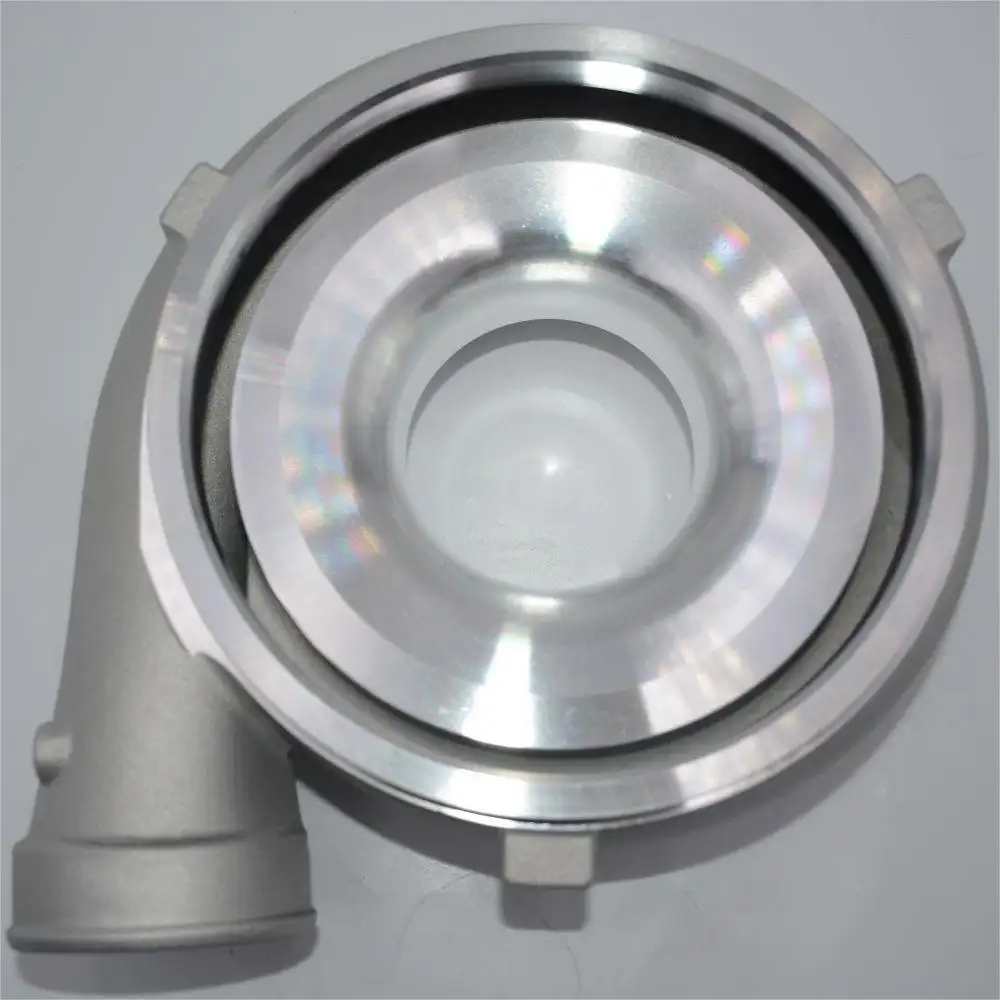
Comparing OEM and Aftermarket Turbochargers: Pros and Cons
**Comparing OEM and Aftermarket Turbochargers: Pros and Cons**
When sourcing a turbocharger, choosing between OEM (Original Equipment Manufacturer) and aftermarket options is a critical decision that can significantly impact your vehicle’s performance, reliability, and budget. Both choices come with distinct advantages and disadvantages, and understanding these factors is essential for anyone dealing with automotive turbocharger manufacturers or searching for a trusted turbocharger supplier. In this section, we delve into the nuanced differences between OEM and aftermarket turbochargers, helping you make an informed choice aligned with your vehicle’s needs and your performance goals.
**OEM Turbochargers: Precision and Reliability**
OEM turbochargers are produced by the same manufacturers that supply original parts to vehicle makers. These turbochargers are designed to meet exact specifications set by car manufacturers, ensuring they fit seamlessly and operate within the intended performance parameters. One of the biggest selling points of OEM turbochargers is their reliability and consistency. Automotive turbocharger manufacturers invest heavily in research and development to produce components that match factory standards, using high-quality materials and rigorous testing procedures.
Customers who prioritize longevity and worry-free operation often lean toward OEM parts. Since these turbochargers are engineered specifically for a vehicle model, installation is typically straightforward, reducing the risk of compatibility issues or unexpected malfunctions. Moreover, many vehicle warranties remain valid when OEM turbochargers are installed, which is vital for new car owners or those with extended warranty plans. Turbocharger suppliers offering OEM products usually guarantee quality backed by original manufacturer certifications, instilling further buyer confidence.
However, the precision and quality of OEM turbochargers come at a higher cost. These parts generally carry a premium price tag due to their branding, engineering rigor, and compliance with manufacturer regulations. Lead times can also be longer, especially if the turbocharger is a specialized component for a less common vehicle model. For drivers looking for affordability or aftermarket upgrade options, OEM turbos might not be the most cost-effective solution.
**Aftermarket Turbochargers: Customization and Performance Options**
Aftermarket turbochargers, on the other hand, are manufactured by third-party companies that may or may not be affiliated with the original car brands. These components offer broader variety and, often, more competitive pricing. One of the most significant advantages of aftermarket turbochargers is the wide range of choices available—from direct replacements to high-performance variants designed to increase boost pressure and horsepower beyond factory settings.
Automotive turbocharger manufacturers in the aftermarket sector excel in offering parts tailored for enthusiasts looking to upgrade or customize their rides. Whether it's a bigger compressor, improved turbine wheel, or advanced materials like titanium or ceramic ball bearings, aftermarket options can dramatically improve engine efficiency and power output. Performance upgrades from aftermarket suppliers enable more aggressive tuning and customization approaches, making them popular choices within the motorsport community and among automotive enthusiasts.
Nevertheless, aftermarket turbochargers vary greatly in quality. While many reputable turbocharger suppliers maintain strict quality control and use premium materials, others may offer lower-grade products that risk premature failure, poor fitment, or reduced reliability. Compatibility can also be a concern; without proper selection and tuning, an aftermarket turbocharger may cause drivability issues or even engine damage. Additionally, some vehicle warranties can be voided by installing non-OEM components, presenting a potential downside for newer vehicle owners.
**Balancing Cost, Quality, and Performance**
Choosing between OEM and aftermarket turbochargers boils down to your priorities as a vehicle owner or builder. If reliability, seamless integration, and factory warranty support are paramount, sourcing an OEM turbocharger from a trusted turbocharger supplier is likely the best route. For individuals seeking enhanced performance, cost savings, or unique customization options, high-quality aftermarket turbochargers from established automotive turbocharger manufacturers provide attractive alternatives.
To make the best choice, consider factors such as vehicle age, intended use, budget, and technical support availability. It is advisable to work with reputable suppliers who can provide detailed product information and assist with compatibility checks. Whether opting for OEM precision or aftermarket innovation, sourcing the right turbocharger is critical for ensuring your vehicle performs optimally while maintaining durability and safety.
How to Choose the Right Turbocharger for Your Vehicle
### How to Choose the Right Turbocharger for Your Vehicle
Selecting the right turbocharger for your vehicle is a crucial decision that can dramatically influence your vehicle’s performance, reliability, and overall driving experience. Whether you’re sourcing from a reputable turbocharger supplier or consulting with leading automotive turbocharger manufacturers, understanding the nuances of turbocharger types, compatibility, and quality is key to making the best choice. This section will guide you through the essential considerations when choosing the ideal turbocharger tailored to your vehicle’s specifications and your performance goals.
#### Understand Your Vehicle’s Requirements
The first step in choosing the right turbocharger is to fully understand your vehicle’s engine specifications and operational requirements. Not every turbocharger is universally compatible; factors such as engine displacement, cylinder configuration, fuel type, and intended use (daily driving, racing, towing, or a mix) must be taken into account. Consulting with experienced automotive turbocharger manufacturers can help clarify the suitable turbo size and boost level that matches your engine’s torque curves and horsepower needs.
For example, a smaller engine might benefit more from a smaller, quicker-spooling turbocharger that offers immediate throttle response, whereas a larger displacement engine could require a bigger turbocharger designed for high-end power generation. Ignoring these considerations often leads to turbo lag, reduced fuel efficiency, or even premature engine wear.
#### OEM vs. Aftermarket Turbochargers
When sourcing a turbocharger, you’ll typically face the choice between Original Equipment Manufacturer (OEM) parts and aftermarket options. OEM turbochargers are built to the precise specifications of your vehicle’s original turbo system and often come with manufacturer warranties and guaranteed fitment. Trusted turbocharger suppliers often stock OEM turbos that provide peace of mind regarding quality and compatibility.
On the other hand, aftermarket turbochargers offer a wider range of options in terms of performance upgrades, customization, and often pricing flexibility. Many automotive turbocharger manufacturers specialize in developing aftermarket turbos that cater to different performance levels, from mild street tuning to extreme racing setups. However, quality variations can be significant in the aftermarket sector, so partnering with reputable suppliers who carry certified and tested turbochargers is essential.
#### Performance Goals and Driving Style
Identify your performance objectives before deciding on a turbocharger. If your goal is to enhance daily driving with better throttle response and improved fuel economy, a modest upgrade or an OEM replacement might be sufficient. Conversely, if you seek significant horsepower gains for competitive motorsport or track use, a performance turbocharger from a specialized automotive turbocharger manufacturer is more suitable.
Turbo design elements such as compressor wheel size, turbine housing, and boost pressure capacity will influence how the turbocharger performs under different conditions. High-performance turbochargers usually incorporate advanced materials and engineering—such as billet wheels or ball-bearing systems—to achieve faster spool times and higher durability.
#### Quality and Supplier Reputation
When working with a turbocharger supplier, prioritize quality assurance and after-sales support. The turbocharger is a critical engine component subjected to high temperatures and pressures, so subpar manufacturing can lead to catastrophic failure. Research suppliers’ reputations in both OEM and aftermarket spaces, looking for certifications, customer reviews, and manufacturing standards that align with your expectations.
Top automotive turbocharger manufacturers invest heavily in research and development, ensuring their products meet stringent performance and durability standards. Many also provide technical support, installation guidelines, and maintenance services to optimize the lifespan of your turbocharger.
#### Installation and Compatibility Checks
Even the best turbocharger can underperform or cause engine damage if not installed correctly. Before finalizing your purchase, ensure that the turbocharger is compatible with your vehicle’s existing parts such as exhaust manifolds, intercoolers, and fuel systems. Many turbocharger suppliers offer expert advice or installation services; leveraging these resources can save you time and money in the long run.
In some cases, upgrading a turbocharger means also upgrading related components to handle increased boost pressures or higher airflow. Consult with your automotive turbocharger manufacturer or supplier about necessary ancillary upgrades to maintain reliability and performance.
#### Budget Considerations
Finally, factor your budget into the decision. While OEM turbochargers may come with a higher upfront cost, their longevity and fitment can reduce future expenses. Aftermarket turbochargers range widely in price, with performance upgrades typically costing more than standard replacements. Always balance cost with quality and intended use to avoid unnecessary expenditures on unsuitable turbo systems.
In summary, choosing the right turbocharger involves a comprehensive understanding of your vehicle’s specific needs, performance aspirations, and the quality standards upheld by prospective turbocharger suppliers and automotive turbocharger manufacturers. Thorough research, clear communication with suppliers, and professional advice will lead you to the perfect turbo solution that elevates your vehicle’s performance and reliability.
Exploring Performance Upgrades and Their Impact on Turbocharging
**Exploring Performance Upgrades and Their Impact on Turbocharging**
When delving into the realm of automotive enhancements, turbocharging stands out as one of the most effective approaches to significantly boost engine power and efficiency. As enthusiasts and professionals seek to maximize performance gains, understanding the nuances of performance upgrades and their direct impact on turbochargers becomes crucial. This exploration is especially pertinent when working alongside a reputable turbocharger supplier or automotive turbocharger manufacturers who can provide insights, quality components, and technical support.
Performance upgrades encompass a broad range of modifications designed to optimize an engine’s output, and many of these directly interface with or affect the turbocharger system. Key upgrades include enhanced air intake systems, improved exhaust setups, intercooler modifications, ECU tuning, and the selection of higher-flow turbochargers. Each component plays a role in the turbo’s operation, which revolves around harnessing exhaust gases to spool a compressor that forces more air into the engine’s combustion chamber, thereby increasing power.
Starting with air intake and exhaust modifications, these upgrades improve the overall breathability of the engine. A less restrictive intake allows the turbo to access larger volumes of cool, dense air, improving spool-up time and reducing turbo lag. An improved exhaust system, typically with larger diameter piping and high-flow catalytic converters or mufflers, ensures exhaust gases exit the system more efficiently, enabling more rapid turbo spool and increased boost pressure. When sourced from a trusted turbocharger supplier or manufactured by specialized automotive turbocharger manufacturers, these components maintain the balance between performance and reliability.
One common upgrade is the installation or enhancement of an intercooler. The intercooler’s role is to cool compressed air exiting the turbocharger before it enters the engine. Cooler air is denser and contains more oxygen, which aids in combustion efficiency and power generation. Upgrading to a larger or more efficient intercooler can therefore lead to significant improvements in performance, especially under high boost conditions common in upgraded turbo systems. Selecting an intercooler designed to match the specifications of the turbocharger from an experienced turbocharger supplier ensures optimal cooling and avoids pressure drops that can negate performance gains.
ECU tuning is another critical upgrade when exploring the impact of performance upgrades on turbocharging. The engine control unit governs fuel injection, ignition timing, and boost pressure targets; upgrading the software or remapping the ECU to accommodate a larger or more efficient turbocharger results in a finely tuned system that maximizes power and efficiency while protecting engine components. Automotive turbocharger manufacturers often provide or recommend ECU tuning protocols that are matched to their turbocharger products, ensuring the vehicle’s performance characteristics align with the new hardware.
Additionally, selecting a larger or more responsive turbocharger itself is a pivotal upgrade. Turbochargers come in various sizes and designs, each suited to different performance goals. For example, a smaller turbocharger will spool quickly providing low-end torque, but may limit top-end power. Conversely, a larger turbocharger can deliver greater peak power but can suffer from increased lag. Performance builds often require careful matching of turbocharger characteristics to the engine’s configuration and intended use, and consultation with a knowledgeable turbocharger supplier or automotive turbocharger manufacturers can yield recommendations tailored to the customer’s performance goals.
Performance upgrades also place additional stresses on turbocharging components. Therefore, upgrading supporting systems such as oil supply lines, bearings, and cooling systems is essential to maintain reliability. High-quality components from established automotive turbocharger manufacturers ensure durability under increased thermal and mechanical loads encountered with performance modifications.
In conclusion, exploring performance upgrades and their impact on turbocharging highlights a complex yet rewarding pathway to enhanced automotive performance. Collaboration with reputable turbocharger suppliers and automotive turbocharger manufacturers is indispensable for sourcing quality parts, technical advice, and ensuring that every modification works cohesively, unlocking the full potential of a turbocharged engine.
Tips for Sourcing Quality Turbochargers and Avoiding Common Pitfalls
**Tips for Sourcing Quality Turbochargers and Avoiding Common Pitfalls**
When it comes to sourcing turbochargers, whether for OEM replacements, aftermarket upgrades, or performance enhancements, the process demands careful consideration. Turbochargers are highly specialized components that directly affect engine efficiency, power output, and reliability. Choosing the right turbocharger supplier and automotive turbocharger manufacturers can make a significant difference in the longevity and performance of your vehicle or project. In this section, we will explore essential tips to help you source quality turbochargers while steering clear of common pitfalls that many buyers encounter.
**1. Understand Your Needs and Vehicle Specifications**
Before reaching out to any turbocharger supplier, it’s crucial to clearly understand your needs and the vehicle’s specifications. Turbochargers come in various sizes, configurations, and power ratings, designed for specific engine types and applications. Using a turbocharger that doesn’t closely match your engine can lead to suboptimal performance, increased fuel consumption, or even mechanical failure. Whether you want to replace an OEM turbo or upgrade to a high-performance turbo, knowing your engine displacement, desired horsepower range, and fuel delivery system will guide you toward the right choice.
**2. Prioritize Reputable Turbocharger Suppliers**
The reputation of your turbocharger supplier matters immensely. Automotive turbocharger manufacturers vary widely in terms of quality control, warranty support, and aftermarket service. When searching for suppliers, opt for those with proven track records, positive customer feedback, and transparent product testing practices. Trusted suppliers often source their parts directly from well-established automotive turbocharger manufacturers or produce them under strict quality standards. Working with an authorized dealer or distributor can reduce the risk of receiving counterfeit or low-quality turbochargers, which is a prevalent issue in the market.
**3. OEM vs. Aftermarket: Know the Differences**
One of the biggest decisions when sourcing turbochargers is choosing between OEM (Original Equipment Manufacturer) and aftermarket units. OEM turbochargers are built to exact factory specifications, ensuring compatibility and reliability. However, they tend to be more expensive and may not offer performance improvements beyond the stock setup. Aftermarket turbochargers often provide enhancements in airflow, efficiency, and durability, catering to enthusiasts looking for more power. However, the aftermarket landscape can be fragmented, with varying quality levels among manufacturers. Scrutinize the credentials of aftermarket automotive turbocharger manufacturers by checking certifications, manufacturing processes, and customer testimonials before making a purchase.
**4. Avoiding Counterfeit and Low-Quality Turbochargers**
Counterfeit turbochargers flood the market, especially online, and pose a serious hazard to engines due to substandard materials and inferior craftsmanship. To avoid these pitfalls, always verify the authenticity of the turbocharger through the supplier’s certification documentation or holographic seals that some manufacturers provide. Beware of prices that seem too good to be true; extremely low prices often indicate knock-offs. Additionally, purchasing directly from branded automotive turbocharger manufacturers or their authorized distributors greatly minimizes the risk.
**5. Consider Warranty and After-Sales Support**
Quality turbocharger suppliers provide comprehensive warranty coverage and responsive after-sales support. A warranty not only protects your investment but is often a sign of confidence in the product’s durability. When evaluating suppliers, inquire about warranty terms, turnaround time for replacements, and their technical support availability. Good suppliers will also assist with installation guidance and troubleshooting, which is especially valuable for complex performance turbo upgrades.
**6. Inspect Packaging and Product Details Upon Arrival**
Even after careful sourcing, inspect the turbocharger immediately upon receiving it. Look for any signs of damage, corrosion, or mismatched part numbers. Ensure that all installation components, such as gaskets and studs, are included. A reputable turbocharger supplier usually ships well-packaged parts with clear labeling, user manuals, and safety instructions.
**7. Leverage Industry Networks and Forums**
For enthusiasts and professionals alike, industry forums and networking groups are valuable resources for recommendations on automotive turbocharger manufacturers and suppliers. Hearing first-hand experiences can reveal insights about supplier reliability, installation tips, and long-term product performance. This community knowledge helps mitigate risks and provides practical information that might not be available through supplier websites alone.
**8. Factor in Compatibility With Upgrades and Tuning**
When sourcing turbochargers for performance upgrades, ensure compatibility with other modifications, such as intercoolers, exhaust systems, fuel injection, and engine management software. Many turbocharger suppliers and manufacturers offer kits or packages geared toward specific upgrade paths, which helps avoid mismatched components and tuning challenges.
By carefully evaluating turbocharger suppliers and automotive turbocharger manufacturers against quality, authenticity, warranty, and compatibility criteria, you set the stage for a successful turbocharger installation and enhanced vehicle performance. Avoiding common pitfalls such as counterfeit parts, improper sizing, and insufficient after-sales support will lead to better outcomes whether you are sourcing OEM replacements or high-performance turbo upgrades.
Conclusion
In conclusion, sourcing the right turbocharger—whether OEM, aftermarket, or performance upgrade—plays a crucial role in maximizing your vehicle’s efficiency and power. With over 9 years of industry experience, we understand the importance of quality, reliability, and compatibility when selecting turbochargers. Our expertise allows us to guide you through these options confidently, helping you make informed decisions tailored to your specific needs and goals. Whether you prioritize factory precision or seek enhanced performance, the right choice is within reach, and we're here to support you every step of the way on your turbocharging journey.
Table of Contents
GET IN TOUCH WITH Us
Professional manufacturer of turbochargers and components used for diesel, natural gas engines & engineering machinery.
Useful Links
Products
Contact Us
Add: NO.1060, Antaisan Rd, Houqiao Street, Xishan District, Wuxi, Jiangsu, China