Please fill out the form below to request a quote or to request more information about us. please be as detailed as possible in your message, and we will get back to you as soon as possible with a response. we're ready to start working on your new project, contact us now to get started.
Beyond OEM Specs: The R&D Focus Of Leading Aftermarket Turbocharger Manufacturers
2026-01-15
YUSEN Power
27
In the competitive world of automotive performance, aftermarket turbocharger manufacturers are no longer just meeting original equipment manufacturer (OEM) specifications—they’re redefining them. This shift is driven by intense research and development efforts aimed at pushing the boundaries of power, efficiency, and durability. In this article, we dive deep into how leading aftermarket turbocharger companies are innovating beyond standard specs, exploring cutting-edge technologies and design strategies that are shaping the future of turbocharging. Whether you’re an automotive enthusiast, a professional mechanic, or simply curious about the latest advancements, discover how these industry pioneers are transforming the driving experience. Read on to learn what sets the best aftermarket turbochargers apart from the rest.
- Understanding the Limitations of OEM Specifications in Turbocharger Design
**Understanding the Limitations of OEM Specifications in Turbocharger Design**
In the realm of turbocharger design, Original Equipment Manufacturer (OEM) specifications have long served as the foundational blueprint guiding the development and production of turbochargers. These specifications, meticulously defined to meet stringent regulatory requirements and ensure compatibility with original vehicle platforms, play a critical role in maintaining baseline performance, durability, and emissions compliance. However, as the automotive aftermarket evolves, leading aftermarket turbocharger manufacturers increasingly recognize that strict adherence to OEM specs can inherently limit innovation, customization, and performance optimization. Exploring the limitations of OEM specifications unveils why aftermarket turbocharger manufacturers prioritize advanced research and development (R&D), pushing well beyond factory parameters to meet the diverse needs of performance enthusiasts, commercial operators, and specialized applications.
One of the primary limitations of OEM turbocharger specifications stems from their standardized, one-size-fits-all approach. OEMs must design turbochargers that perform reliably across a wide range of operating conditions, fuel qualities, and emission standards, favoring durability and consistency over extreme performance characteristics. This often results in turbochargers that are “good enough” to satisfy mass-market demands but fall short when customers seek enhanced power outputs, improved throttle response, or specific drivability traits. For aftermarket turbocharger manufacturers, this environment presents an opportunity: by moving beyond OEM specs, they can focus on customizing critical elements such as compressor wheel geometry, turbine housing volume, and aerodynamic flow paths that optimize boost pressure and thermal efficiency for tuned engines and alternative fuels.
In this context, the keyword “custom turbine housing” becomes especially relevant. OEM turbine housings are designed to manage exhaust flow and thermal loads within fixed parameters optimized for emission control and engine longevity. However, they may not accommodate varied exhaust gas temperatures, pressure characteristics, or engine tuning strategies that aftermarket manufacturers often face. Custom turbine housings enable tailored adjustments in aspect ratios (A/R), internal contours, and wastegate configurations, directly influencing turbine efficiency, spool time, and heat distribution. By re-engineering these housings beyond OEM constraints, aftermarket turbocharger manufacturers improve not only peak power but also transient response – a critical factor for applications like motorsports or heavy-duty commercial vehicles where rapid boost buildup is essential.
Furthermore, OEM specs typically prioritize cost-effectiveness and ease of installation, constraining material choices and manufacturing techniques. Aftermarket turbocharger manufacturers, on the other hand, invest heavily in R&D to explore advanced materials such as inconel alloys, ceramics, and proprietary coatings that withstand higher thermal and mechanical stresses. This commitment to materials technology allows aftermarket units to function reliably at elevated boost pressures and engine loads, conditions under which OEM turbochargers may falter or experience premature wear. The flexibility to integrate such technologies is crucial when designing turbochargers for demanding environments, off-road applications, or engine modifications that deviate significantly from stock configurations.
Another facet where OEM specifications become limiting involves the integration of modern sensor and electronic control systems. OEM turbochargers generally pair with factory engine management systems designed for specific diagnostic and control parameters, limiting tunability and real-time adjustments. Leading aftermarket turbocharger manufacturers invest in R&D to develop smart turbo systems that incorporate sensors for pressure, temperature, and shaft speed, enabling dynamic communication with upgraded engine control units (ECUs). This integration facilitates more precise boost control, improved fuel efficiency, and reduced lag—benefits hard to achieve under standard OEM design frameworks.
Finally, the design cycle and regulatory compliance processes embedded within OEM manufacturing create barriers to rapid innovation. OEM turbochargers undergo rigorous homologation testing involving emissions, noise, and durability across global markets, which inherently extends development timelines and limits adaptability once a design is launched. In contrast, aftermarket turbocharger manufacturers operate with greater agility, leveraging advanced simulation tools, rapid prototyping, and targeted testing to iterate designs more quickly. This agility supports the creation of turbochargers optimized for niche sectors, from high-performance street cars to industrial machinery, allowing customization that OEMs cannot economically justify.
In conclusion, understanding the limitations of OEM specifications reveals why the cutting-edge work of aftermarket turbocharger manufacturers centers on transcending these constraints. By focusing R&D efforts on custom turbine housing designs, novel material applications, enhanced sensor integration, and agile development processes, these manufacturers unlock performance, durability, and efficiency gains tailored to specialized customer demands. The result is a robust aftermarket ecosystem where innovation thrives beyond the boundaries of factory specifications.
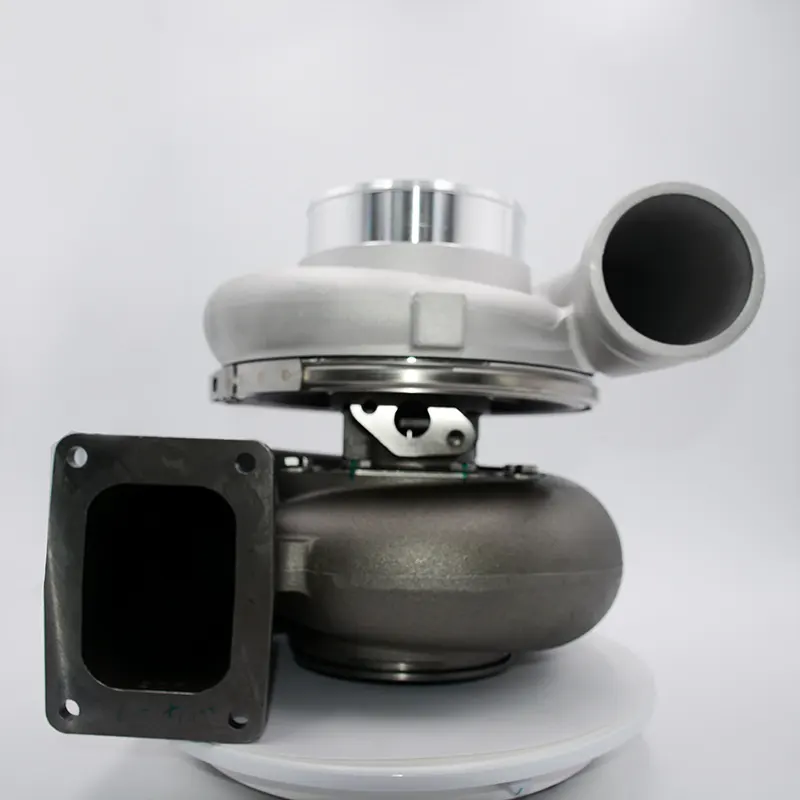
- Innovations Driving Aftermarket Turbocharger Research and Development
**Innovations Driving Aftermarket Turbocharger Research and Development**
The aftermarket turbocharger industry has witnessed a remarkable transformation in recent years, propelled by advancements in technology and a growing demand for enhanced performance and reliability beyond original equipment manufacturer (OEM) specifications. Aftermarket turbocharger manufacturers are aggressively investing in research and development (R&D) to create products that not only match but often exceed the capabilities of factory-installed units. Central to this technological progress are innovations in materials science, design methodologies, and customization techniques, including the development of custom turbine housing solutions that tailor turbochargers to specific engine characteristics and operational demands.
One of the most significant areas of innovation driving R&D in aftermarket turbochargers is the use of advanced materials. Traditional turbochargers often rely on cast iron or aluminum components, which have limitations in thermal resistance and durability under extreme conditions. Leading aftermarket manufacturers are adopting high-performance alloys and ceramic composites that offer superior heat tolerance, reduced weight, and greater fatigue resistance. For example, some have begun to incorporate single-crystal superalloys in turbine blades, significantly improving their ability to withstand the intense temperatures and stresses generated at high boost pressures. This material evolution directly translates to increased turbocharger lifespan and consistency in performance, even when pushing engine outputs beyond OEM limits.
In parallel, computational fluid dynamics (CFD) and finite element analysis (FEA) are revolutionizing the design process for aftermarket turbochargers. These digital technologies enable engineers to simulate airflow patterns, temperature distribution, and mechanical stresses with unprecedented accuracy before any physical prototype is built. Such simulations facilitate the optimization of compressor and turbine wheel designs, improving volumetric efficiency and reducing lag. Aftermarket manufacturers often push these simulations further by customizing turbine housing shapes and flow pathways to better align with specific engine architectures and applications. Custom turbine housing not only enhances performance by optimizing exhaust gas flow but also enables a modular approach to turbocharger upgrades, accommodating different engine builds and tuning strategies.
Custom turbine housings epitomize the drive for innovation in aftermarket turbocharger R&D. Unlike standard OEM housings designed for mass production and general applications, aftermarket custom housings are engineered to meet the nuanced requirements of performance enthusiasts, motorsport teams, or specialized commercial applications. Innovations in casting and CNC machining have made it feasible to produce these bespoke housings at scale without compromising quality. By varying factors such as turbine A/R ratio, scroll geometry, and wastegate placement, manufacturers can dramatically influence the turbocharger’s spool characteristics, boost response, and maximum power capacity. This flexibility is invaluable for achieving precise engine tuning objectives, whether that means enhancing low-end torque for street driving or pushing peak horsepower for competitive racing.
Another innovative trend among aftermarket turbocharger manufacturers is the integration of electronics and sensors directly within turbocharger assemblies. Smart turbochargers equipped with temperature, pressure, and rotational speed sensors facilitate real-time monitoring and adaptive control, enabling more precise boost management and improved engine safety. Such technological integration requires R&D efforts that bridge mechanical engineering with software development, control algorithms, and data analytics. This innovation reflects a broader shift toward intelligent powertrain components that communicate with vehicle management systems, enhancing overall system efficiency and reliability.
Thermal management innovations further exemplify the R&D landscape in the aftermarket sector. With increasing boost pressures and elevated engine outputs, turbochargers generate substantial heat, which can reduce component longevity and contribute to higher under-hood temperatures. Aftermarket manufacturers are developing improved cooling strategies, including enhanced water or oil cooling channels integrated into turbocharger designs and advanced thermal barrier coatings on turbine housings and wheels. These improvements not only protect the turbocharger but also help maintain consistent performance during extended periods of high load.
Lastly, sustainability considerations are becoming increasingly important in R&D initiatives among aftermarket turbocharger manufacturers. Efforts to reduce emissions, improve fuel efficiency, and use environmentally friendly materials align with global regulatory trends and consumer preferences. Innovations such as lightweight custom turbine housings contribute to overall vehicle weight reduction, indirectly supporting fuel economy. Additionally, the push to design turbochargers compatible with alternative fuels and hybrid powertrains is gaining momentum, opening new frontiers for aftermarket R&D efforts.
Together, these innovations underline a dynamic, technology-driven approach to aftermarket turbocharger development. By leveraging advanced materials, digital design tools, custom turbine housing capabilities, smart electronics, thermal management, and sustainability initiatives, aftermarket turbocharger manufacturers are continuously redefining what high-performance turbocharging can achieve. This ongoing R&D focus ensures that aftermarket turbochargers remain not only viable alternatives to OEM components but often superior solutions tailored specifically to the diverse needs of engine builders and enthusiasts worldwide.
- How Leading Manufacturers Push Performance Beyond Standard Specs
In the competitive world of automotive performance, aftermarket turbocharger manufacturers have steadily carved a niche by pushing the boundaries of traditional OEM specifications. While original equipment manufacturers (OEMs) design turbochargers to meet broad regulatory and reliability standards, leading aftermarket companies adopt a more aggressive and innovative approach. By leveraging advanced research and development capabilities, these manufacturers engineer turbo systems that deliver higher efficiency, increased power, and enhanced durability—offering enthusiasts and professionals alike solutions that far exceed standard specs.
Central to this advanced performance push is the emphasis on custom turbine housing design. Unlike OEM turbochargers which often utilize standardized turbine housings optimized for mass production and balanced for broad engine compatibility, aftermarket manufacturers recognize the significant impact turbine housing geometry has on a turbocharger’s responsiveness and efficiency. Through custom turbine housing development, manufacturers tailor the volute size, turbine inlet diameter, and scroll configuration specifically to application requirements. This customization improves exhaust gas flow, reduces turbo lag, and optimizes boost characteristics for the target engine’s powerband.
The research and development process employed by top aftermarket turbocharger manufacturers typically involves intensive use of computational fluid dynamics (CFD) and finite element analysis (FEA). These digital simulation tools enable engineers to refine aerodynamic characteristics and thermal behavior under a variety of operating conditions before manufacturing prototypes. This data-driven design process ensures that custom turbine housings and other critical components achieve ideal flow patterns and withstand the extreme pressures and temperatures associated with high-performance operation.
Material innovation also plays a crucial role in pushing performance beyond OEM limits. Aftermarket turbocharger manufacturers invest in advanced metallurgy and coatings to produce turbine housings and wheels with superior heat resistance and reduced weight. For instance, the use of inconel alloys and ceramic coatings can dramatically improve thermal efficiency, allowing turbochargers to operate safely under higher boost pressures and more aggressive tuning setups. These materials advancements not only deliver performance gains but also extend component life, catering to users who demand durability under track conditions or heavy daily use.
Beyond just physical design improvements, leading aftermarket manufacturers often prioritize modularity and customization options. Many offer a selection of interchangeable turbine housings for a single compressor wheel, enabling engine builders to fine-tune the turbocharger’s characteristics to specific driving styles, ambient conditions, or racing classes. This flexibility is particularly valuable in motorsports applications, where even small gains in spool time or peak horsepower can translate to significant competitive advantages.
The R&D focus of aftermarket turbocharger manufacturers is further demonstrated by their collaborative approach with performance tuners and racing teams. By gathering real-world data and feedback, these manufacturers continually iterate on custom turbine housing designs and overall turbocharger configurations. This close collaboration ensures that innovations are validated in dynamic environments rather than just laboratory simulations, maintaining relevance and effectiveness across diverse high-performance platforms.
In addition to enhancing performance metrics, aftermarket manufacturers also focus on meeting stricter emissions and noise regulations while pushing power envelopes. Through intelligent turbine housing design combined with variable geometry and wastegate solutions, these companies aim to achieve superior thermal efficiency and reduced backpressure. This integration of environmental considerations with high performance exemplifies a new generation of turbocharger development that transcends OEM constraints without compromising compliance.
Ultimately, the driving force behind leading aftermarket turbocharger manufacturers’ ability to push performance well beyond standard specs lies in their holistic R&D approach. By optimizing custom turbine housing design, utilizing cutting-edge digital engineering tools, applying advanced materials technology, and fostering collaborative development with professional users, these companies unlock greater engine potential. Their innovation enriches the automotive aftermarket landscape and offers enthusiasts unparalleled powertrain upgrades that OEM turbochargers alone cannot provide.
- The Role of Advanced Materials and Technologies in Aftermarket Turbochargers
**The Role of Advanced Materials and Technologies in Aftermarket Turbochargers**
In the fiercely competitive automotive performance and repair industry, aftermarket turbocharger manufacturers continuously seek innovative approaches to surpass original equipment manufacturer (OEM) specifications. One of the most significant avenues for this advancement lies in the adoption of advanced materials and cutting-edge technologies. These innovations not only enhance performance and durability but also allow for highly customized solutions, such as custom turbine housing designs, that cater precisely to the unique demands of different engines and driving conditions.
At the heart of many breakthroughs in aftermarket turbochargers is the use of specialty materials engineered for resilience under extreme thermal and mechanical stress. Traditional OEM turbochargers often rely on standard cast iron or steel components, which, while functional, present limitations in weight, thermal tolerance, and long-term durability. In contrast, leading aftermarket turbocharger manufacturers are investing heavily in high-performance alloys and composite materials. For example, nickel-based superalloys and titanium aluminides have found increasing usage in turbine wheels and housings due to their exceptional ability to withstand temperatures exceeding 1,000°C, resist oxidation, and reduce mass. Lower mass turbine wheels lead to reduced rotational inertia, enabling faster spool-up times and improved throttle response, directly impacting a vehicle's driveability and power delivery.
Another dimension where advanced materials influence aftermarket turbocharger design is the custom turbine housing. Custom turbine housings crafted with advanced materials allow manufacturers to fine-tune characteristics such as turbine geometry, internal flow dynamics, and thermal conductivity. By adopting computer-aided design (CAD) and computational fluid dynamics (CFD) modeling, engineers can simulate and optimize housing shapes that maximize exhaust gas energy capture and minimize flow losses. The choice of materials for these housings ensures they maintain structural integrity while exploiting heat management properties that stabilize performance during prolonged high-temperature operation inherent in performance and racing scenarios.
Beyond materials, the integration of cutting-edge technologies is pivotal in the R&D efforts of aftermarket turbocharger manufacturers. Additive manufacturing, or 3D printing, has emerged as a revolutionary tool in the prototyping and production of complex turbocharger components, especially custom turbine housings. The capacity to produce geometrically intricate parts with internal cooling channels or variable thickness walls enables tailored solutions that were previously impractical or impossible with traditional casting and machining. This technology facilitates rapid iteration cycles for R&D teams, accelerating the process of refining designs according to specific vehicle applications and performance targets.
Moreover, the introduction of advanced coatings also plays a crucial role in extending aftermarket turbocharger life and efficiency. Thermal barrier coatings (TBCs), ceramic coatings, and anti-corrosive surface treatments applied to turbine wheels, housings, and bearings help manage heat dissipation and prevent degradation caused by extreme exhaust gases. These coatings reduce the thermal load transferred to critical components, thus preserving mechanical tolerances and reducing the risk of distortion or fatigue failure. The result is turbochargers that can sustain higher boost pressures for longer durations—a key factor in performance tuning and engine optimization.
In addition, smart technologies have begun to make inroads into aftermarket turbocharger development. Sensors embedded within or around the turbocharger assembly can provide real-time data on temperature, pressure, rotational speed, and vibration. This data enables fine-tuning through engine management systems and enhances diagnostic capabilities, allowing for predictive maintenance schedules that prevent failures and optimize efficiency. Manufacturers specializing in custom turbine housing solutions are particularly interested in integrating sensors to monitor turbulent flow zones and temperature gradients across the housing, thereby informing future material choices and design enhancements.
The synergy between advanced materials and modern technologies positions aftermarket turbocharger manufacturers as innovators capable of delivering products that exceed OEM specs in performance, longevity, and customizability. Custom turbine housings, crafted with the support of these technologies, epitomize a shift from one-size-fits-all solutions to bespoke designs tailored for specific powertrains, industrial applications, and user preferences. This approach not only satisfies enthusiast and professional tuner demands but also appeals to industries requiring rugged, high-performing turbocharging solutions beyond the constraints of mass production.
As R&D focus remains sharply directed at leveraging these material and technological innovations, the aftermarket turbocharger market continues to flourish, offering alternatives that bring measurable gains in power, efficiency, and reliability. From motorsports to commercial vehicles, the role of advanced materials and technologies exemplifies the transcending of OEM-defined limits, signaling a future where aftermarket turbochargers are distinctly more capable, adaptive, and intelligent.
- Future Trends Shaping R&D Priorities in the Turbocharger Industry
The turbocharger industry is undergoing a significant transformation as aftermarket turbocharger manufacturers increasingly elevate their Research and Development (R&D) focus beyond traditional OEM specifications. This shift is driven by rapidly evolving market demands, technological advancements, and stringent global emission regulations. Among the key components gaining attention is the custom turbine housing, which plays a pivotal role in optimizing turbocharger performance for diverse applications. In this landscape, understanding future trends is essential for aftermarket manufacturers to remain competitive and relevant.
One of the foremost trends shaping R&D priorities is the increasing demand for customization and flexibility. Aftermarket turbocharger manufacturers are no longer confined to simply replicating OEM designs; instead, they are motivated to innovate unique solutions that cater to specific performance requirements. Custom turbine housings allow manufacturers to tailor the flow dynamics, turbine geometry, and heat dissipation properties to suit a wide array of engines, from passenger vehicles to heavy-duty industrial equipment. This bespoke approach not only enhances power output and fuel efficiency but also improves durability and response times, giving aftermarket suppliers an edge in performance markets.
Simultaneously, environmental concerns and emission regulations globally continue to tighten, pushing manufacturers to develop turbochargers that support cleaner combustion processes. R&D teams are exploring advanced materials and coatings for turbine housings that can withstand higher temperatures and corrosive environments without compromising strength. New alloy composites and ceramic coatings reduce thermal fatigue and enable higher boost pressures, which help engines achieve better fuel combustion with lower nitrogen oxide (NOx) and particulate emissions. In this context, aftermarket turbocharger manufacturers investing in novel turbine housing designs are positioning themselves as crucial players in the sustainability transition within the automotive and industrial sectors.
Another critical factor influencing R&D focus is the integration of smart technologies. The adoption of sensors, telemetry, and real-time data analytics allows turbochargers to operate with improved precision and adaptability. Aftermarket manufacturers are increasingly developing intelligent turbine housings embedded with temperature and pressure sensors, enabling active monitoring and tuning during engine operation. This capability enhances reliability and offers end-users predictive maintenance possibilities, reducing downtime and lifecycle costs. These developments represent a move away from one-size-fits-all products toward more adaptable and connected turbo systems, which is a future-focused trend the aftermarket industry is rapidly embracing.
Electric and hybrid drivetrains are also reshaping the turbocharger market. Although turbochargers are traditionally associated with internal combustion engines, many aftermarket manufacturers are now exploring application-specific R&D for mild-hybrid systems that still rely on boosted combustion. In these hybrid systems, turbochargers must be optimized for varying power demands, rapid spool-up, and integration with electric motors. Custom turbine housings designed with adaptable flow channels and variable geometry are becoming central to these efforts, enabling a smoother power transition and better fuel economy. This hybrid compatibility expands the aftermarket manufacturers’ target markets, pushing innovation forward.
Lastly, additive manufacturing, or 3D printing, is revolutionizing the production and design capabilities for custom turbine housing components. This technology allows rapid prototyping and production of lightweight, highly complex geometries that were previously impossible or cost-prohibitive with traditional casting and machining methods. Additive manufacturing empowers aftermarket turbocharger manufacturers to experiment with lattice structures, internal cooling channels, and integrated fluid flow enhancements that significantly improve turbine efficiency and performance. The ability to quickly iterate and produce customized housings at scale reduces time-to-market and offers competitive advantages in a fast-evolving industry.
Overall, the future of R&D in the turbocharger sector, particularly among aftermarket turbocharger manufacturers, is centered on pioneering innovative, customized solutions like advanced turbine housings. These developments address the multifaceted challenges posed by environmental regulations, shifting vehicle technologies, and increasing demand for performance and durability. As manufacturers leverage new materials, smart integration, hybrid compatibility, and additive manufacturing, they are redefining turbocharger capabilities and expanding the aftermarket’s role from simply replacement suppliers to key innovation drivers.
Conclusion
In conclusion, as a company with nearly a decade of experience in the turbocharger aftermarket industry, we recognize that true innovation goes far beyond simply meeting OEM specifications. Leading aftermarket manufacturers are redefining performance and reliability through relentless research and development, pushing the boundaries to deliver products that not only match but often exceed original standards. This commitment to innovation ensures that customers enjoy enhanced efficiency, durability, and value. As the industry continues to evolve, embracing advanced technologies and customer-driven solutions will remain at the heart of driving turbocharger excellence—an exciting journey we are proud to be part of and contribute to every day.
Table of Contents
GET IN TOUCH WITH Us
Professional manufacturer of turbochargers and components used for diesel, natural gas engines & engineering machinery.
Useful Links
Products
Contact Us
Add: NO.1060, Antaisan Rd, Houqiao Street, Xishan District, Wuxi, Jiangsu, China