Please fill out the form below to request a quote or to request more information about us. please be as detailed as possible in your message, and we will get back to you as soon as possible with a response. we're ready to start working on your new project, contact us now to get started.
Maximizing Performance & Durability: A Deep Dive Into Turbo Cartridge Rebuilding & Supply
2026-01-16
YUSEN Power
45
Unlock the full potential of your turbocharger with our comprehensive guide on turbo cartridge rebuilding and supply. Whether you're a seasoned mechanic or an automotive enthusiast, understanding how to maximize performance and durability is key to getting the most out of your turbo system. In this article, we take a deep dive into the critical processes, best practices, and industry insights that ensure your turbo cartridge not only performs at its peak but also stands the test of time. Ready to enhance your vehicle’s efficiency and reliability? Keep reading to discover the expert tips and trusted solutions that will keep your turbocharged engine running stronger than ever.
- Understanding the Importance of Turbo Cartridge Rebuilding
In the realm of automotive performance and engine durability, the turbocharger stands out as a critical component, drastically enhancing power output and efficiency. At the heart of this advanced machinery lies the turbo cartridge, also known as the CHRA (Center Housing Rotating Assembly), which houses the turbine and compressor wheels, the shaft, and the bearings. The functionality and condition of this small yet complex unit directly influence the turbocharger’s overall performance. Understanding the importance of turbo cartridge rebuilding is essential for anyone looking to maximize engine power, extend turbocharger lifespan, and ultimately ensure a vehicle’s reliability under demanding conditions.
Turbo cartridge rebuilding revolves around restoring the internal components of the turbocharger to their optimal condition rather than opting for a complete unit replacement. Given the precision engineering involved, turbo cartridges operate under extreme temperatures and pressures, making them susceptible to wear, imbalance, and damage over time. When these components degrade, the turbocharger struggles to maintain efficiency, often resulting in reduced power, increased emissions, and higher fuel consumption. Rebuilding the turbo cartridge addresses these issues directly by replacing worn-out parts, balancing the rotating assembly, and ensuring smooth operation.
One of the primary reasons turbo cartridge rebuilding is crucial lies in cost-effectiveness. Purchasing a new turbocharger or cartridge assembly can be a significant expense, especially for high-performance engines or specialty vehicles. Rebuilding, on the other hand, allows vehicle owners and workshops to salvage existing components, significantly reducing the downtime and costs associated with full replacements. Moreover, the demand for quality turbo cartridge suppliers has risen alongside this need for rebuild services, as sourcing reliable parts is pivotal to guaranteeing the success and longevity of each rebuild.
The availability of specialized turbo cartridge suppliers affects the quality and reliability of the rebuilt component. A trusted supplier not only provides OEM-equivalent or superior parts but also ensures adherence to strict manufacturing tolerances and material standards. These factors are vital: the balance of the turbine and compressor wheels, the precision of the shaft, and the durability of the bearings all need to meet exact specifications to prevent premature failure. Turbo cartridge suppliers with extensive experience and a rigorous quality control process enable rebuilders to restore the turbocharger to near-new condition, maximizing performance and durability.
Another aspect highlighting the importance of turbo cartridge rebuilding is environmental responsibility. With global focus intensifying on reducing waste and emissions, rebuilding parts rather than discarding them aligns with sustainable automotive practices. By refurbishing and reusing the turbo cartridge components, manufacturers and automotive shops contribute to minimizing the environmental footprint associated with parts production and disposal. This environmentally conscious approach also appeals to an increasing segment of vehicle owners looking for green alternatives without compromising performance.
In performance-driven automotive segments, such as motorsports and heavy-duty applications, maintaining the turbocharger in peak condition is non-negotiable. The turbo cartridge’s state critically influences boost pressure control, throttle response, and overall engine output. Rebuilding these cartridges with precision parts sourced from reputable turbo cartridge suppliers ensures that performance vehicles maintain consistent reliability during rigorous operation. This meticulous care can prevent costly failures during races or demanding work cycles, boosting confidence in vehicle performance.
Furthermore, advancements in turbocharger technology have led to more compact, variable geometry, and twin-scroll designs, which incorporate increasingly complex cartridge assemblies. Rebuilding these sophisticated turbo cartridges requires specific technical knowledge and access to high-quality replacement components from established suppliers. Understanding the intricacies involved encourages workshops and vehicle owners to invest in proper rebuilding services rather than attempting quick fixes or second-rate parts, which could lead to further damage.
In summary, appreciating the critical role of turbo cartridge rebuilding provides a clear pathway to extending turbocharger life, enhancing engine performance, reducing replacement expenses, and supporting environmental sustainability. Central to this process is the collaboration with trustworthy turbo cartridge suppliers, who supply the precision-engineered parts necessary for high-quality rebuilds. For any automotive enthusiast, workshop, or commercial operator aiming to maximize performance and durability, prioritizing turbo cartridge rebuilding with reliable components is an indispensable strategy.
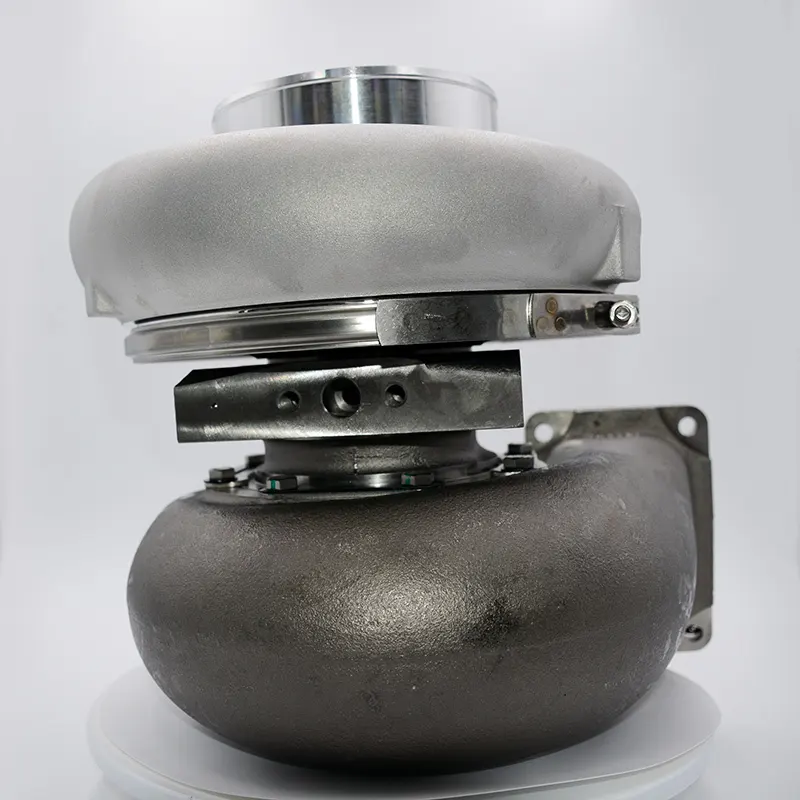
- Key Techniques for Enhancing Turbo Cartridge Performance
**- Key Techniques for Enhancing Turbo Cartridge Performance**
In the rapidly evolving automotive and industrial sectors, turbochargers play a pivotal role in optimizing engine efficiency and power output. Central to the turbocharger’s functioning is the turbo cartridge, often regarded as the heart of the assembly. Enhancing the performance of turbo cartridges is therefore critical not only for achieving peak engine performance but also for extending the lifespan of the turbocharger itself. Turbo cartridge suppliers are at the forefront of innovation in this niche, offering advanced materials, precision engineering, and expert rebuilding services that ensure these components perform at their optimum. This article delves deeply into the key techniques employed to enhance turbo cartridge performance, highlighting the role of turbo cartridge suppliers in the process.
### Precision Balancing and Dynamic Testing
One of the foremost techniques for improving turbo cartridge performance is precision balancing. Given the turbo cartridge spins at extremely high RPMs, any imbalance in the rotating assembly—comprising the shaft, turbine, and compressor wheels—can cause vibrations leading to premature wear or catastrophic failure. Turbo cartridge suppliers utilize advanced balancing machines that dynamically measure and correct imbalances to microscopic tolerances. This not only reduces stress on shaft bearings but also enhances the smoothness of operation, boosting efficiency while minimizing noise and vibration. Dynamic balancing during the rebuilding process is a must-have step to guarantee the cartridge runs flawlessly under high-speed conditions.
### Use of Advanced Materials and Coatings
Material selection is a fundamental technique in enhancing turbo cartridge performance. The challenge lies in the cartridge’s exposure to extreme temperatures (often exceeding 800°C) and high rotational speeds. Turbo cartridge suppliers often incorporate high-grade alloys such as Inconel for turbine wheels and forged steel or titanium for shaft assemblies. These materials provide superior strength-to-weight ratios and excellent thermal resistance, crucial for durability and performance. In addition, advanced ceramic or thermal barrier coatings are applied to key components to reduce heat conduction to the shaft bearings, thereby preserving lubricant integrity and preventing premature failures. Such innovations extend service life and reliability.
### Improved Bearing Designs and Lubrication Strategies
Bearing technology within the turbo cartridge has evolved significantly, directly influencing performance. Traditional journal bearings are now frequently replaced or supplemented by ball or roller bearings that reduce friction and allow the turbo shaft to spool up faster, improving responsiveness and overall boost performance. Turbo cartridge suppliers implement such bearing upgrades during rebuilds. Moreover, lubrication strategies have been refined, including the use of synthetic oils with high thermal stability and the optimization of oil flow and cooling ducts within the cartridge. Proper lubrication reduces wear, lowers operating temperatures, and prevents seizure, all of which translate into improved performance and longer cartridge life.
### Precision Machining and Dimensional Accuracy
Enhancing turbo cartridge performance also rests heavily on precision machining. Every component must adhere to exacting dimensional tolerances to ensure seamless assembly and optimal clearances between rotating parts and housings. Turbo cartridge suppliers invest heavily in CNC machining centers and computer-aided inspection technologies to achieve impeccable accuracy during both initial manufacturing and rebuilding. This precision promotes efficient airflow through compressor and turbine wheels, reducing parasitic losses and enhancing power output. Additionally, accurate machining minimizes the risk of imbalance or rubbing, both of which degrade performance and durability.
### Optimization of Aerodynamic Profiles
Aerodynamic efficiency within the turbo cartridge’s turbine and compressor wheels critically impacts performance. Turbo cartridge suppliers employ computational fluid dynamics (CFD) and other simulation tools to refine blade geometry and optimize the flow path. Improvements such as redesigned blade curvature, reduced tip clearance, and enhanced blade count can increase compressor efficiency and turbine response times. These aerodynamic refinements reduce turbo lag, improve boost delivery, and maximize the pressure ratio achievable within the cartridge, delivering more power to the engine without increasing thermal or mechanical stress on the components.
### Thorough Cleaning and Quality Control During Rebuilding
Performance degradation in used or worn turbo cartridges often stems from contamination, heat damage, or buildup of carbon deposits. Effective cleaning techniques form an essential part of boosting turbo cartridge performance during the rebuild process. Turbo cartridge suppliers employ ultrasonic cleaning, chemical baths, and precision media blasting to remove grime and metal particles without compromising component integrity. Post-cleaning, comprehensive quality control ensures all parameters—clearances, balancing, and surface finishes—meet or exceed original equipment standards. This meticulous attention to detail restores the cartridge’s high-performance characteristics.
### Customization and Application-Specific Enhancements
Understanding the application demands is crucial for tailoring turbo cartridge upgrades. Turbo cartridge suppliers collaborate closely with OEMs and engine builders to provide cartridges optimized for specific usage scenarios—whether for high-performance motorsports, heavy-duty commercial vehicles, or industrial machinery. Custom modifications may include shaft length adjustments, reinforced housings, or incorporation of hybrid ball bearing systems to suit unique operational stresses. These targeted performance enhancements ensure maximum efficiency and durability aligned with the end user’s needs.
In conclusion, turbo cartridge suppliers deliver significantly enhanced performance by integrating advanced materials, precision engineering, and sophisticated rebuilding processes. Each technique contributes to a more efficient, reliable, and long-lasting turbo cartridge, effectively maximizing the overall turbocharger’s capability. By leveraging these key methods, operators can achieve superior engine performance, reduced maintenance costs, and a longer service life—critical factors in today’s competitive engine technology landscape.
- Selecting Quality Components for Durable Turbo Cartridges
### Selecting Quality Components for Durable Turbo Cartridges
When it comes to rebuilding turbo cartridges, one of the most critical factors influencing the longevity and performance of the final product is the selection of quality components. A turbo cartridge, also known as a CHRA (Center Housing Rotating Assembly), is a precision-engineered core part of the turbocharger system that holds the turbine wheel, compressor wheel, and the shaft connecting them inside the housing. Due to the extreme operating conditions—high temperatures, rapid rotational speeds, and intense pressure differentials—the choice of components during the rebuilding or manufacturing process can significantly impact overall durability, efficiency, and reliability.
For turbo cartridge rebuilders and engine enthusiasts alike, working closely with reputable turbo cartridge suppliers is essential. These suppliers provide not only the raw components but also critical technical support and quality assurance that play a decisive role in maximizing the cartridge's performance.
#### Importance of Material Quality
The core of any turbo cartridge consists mainly of the turbine wheel, compressor wheel, and the shaft. Selecting materials that can withstand the brutal thermal and mechanical stresses is paramount. The turbine wheel, for instance, is usually crafted from high-temperature-resistant alloys such as Inconel, a nickel-chromium-based superalloy known for its excellent heat tolerance and strength at elevated temperatures. Inferior materials might lead to rapid degradation, warping, or even catastrophic failure under extreme conditions.
Similarly, the compressor wheel often uses aluminum or titanium alloys. Titanium offers advantages in reducing weight while maintaining strength—translating into quicker spool-up times and better turbo responsiveness. However, not all turbo cartridge suppliers can consistently source genuine, high-grade titanium components, making it critical to verify authenticity and origin of these parts.
#### Precision Bearings and Seals
Equally important to the wheels themselves are the bearings and seals housed inside the center section. Bearings must handle high rotational speeds—frequently exceeding 100,000 RPM—while minimizing friction and wear. Journal bearings or ball bearings made from superior grades of steel or ceramic materials ensure smooth operation and longer service intervals. The tolerances must be exacting; even minute deviations can cause imbalance, excessive vibrations, and premature failure.
High-quality seals prevent oil leakage and contamination, which can otherwise shorten the life of the cartridge by causing bearing wear or clogging oil passages. Selecting seals manufactured from heat-resistant materials like Viton or advanced elastomers ensures they do not lose resilience under thermal cycling.
#### OEM-Quality vs. Aftermarket Components
One of the primary dilemmas when selecting turbo cartridge components is whether to opt for OEM-quality parts or more affordable aftermarket alternatives. While aftermarket suppliers sometimes offer cost benefits, not all maintain the same stringent quality controls or material standards as original equipment manufacturers (OEM).
Turbo cartridge suppliers with a proven track record and transparent sourcing policies typically provide components that meet or exceed OEM standards. This includes certification to relevant industry standards and detailed batch testing. Building cartridges with substandard parts can lead to early failure, lower boost efficiency, and overall diminished engine performance, counteracting the purpose of rebuilding the cartridge in the first place.
#### The Role of Trusted Turbo Cartridge Suppliers
Engaging with well-established turbo cartridge suppliers is central to securing durable components. These suppliers often have extensive industry experience, enabling them to recommend the best materials and design modifications tailored to the vehicle application—whether it’s for daily driving, racing, or heavy-duty usage.
Moreover, reputable suppliers implement rigorous quality assurance procedures, such as non-destructive testing, dimensional inspections, and material certifications. They also maintain robust supply chains that minimize the risk of counterfeit parts infiltrating the market—a common hazard in turbocharger repairs.
Additionally, a reliable turbo cartridge supplier can provide technical guidance on component compatibility and assembly techniques, helping rebuilders avoid pitfalls like improper clearances or incorrect balancing that compromise cartridge durability.
#### Final Considerations for Longevity
Selecting quality components for turbo cartridges is more than a matter of picking parts; it's an investment in the turbocharger’s future reliability and the engine’s overall efficiency. Prioritizing superior materials, precision-engineered bearings and seals, and sourcing from trusted turbo cartridge suppliers will ensure that rebuilt cartridges withstand the punishing conditions of operation. This solid foundation ultimately results in better power delivery, improved fuel efficiency, and extended service life—meeting the highest expectations for performance and durability in turbocharged engines.
- Common Challenges and Solutions in Turbo Cartridge Supply
**Common Challenges and Solutions in Turbo Cartridge Supply**
In the realm of turbocharger maintenance and performance optimization, the role of turbo cartridge suppliers is indispensable. These suppliers form the backbone of the turbo aftermarket by providing high-quality replacement cartridges that ensure vehicles maintain their peak performance and durability. However, despite their critical importance, turbo cartridge suppliers face a number of common challenges that can affect supply reliability, quality consistency, and ultimately customer satisfaction. Understanding these challenges—and how to overcome them—is vital for businesses aiming to thrive in this competitive sector.
One of the most significant challenges in turbo cartridge supply is ensuring consistent product quality. Turbo cartridges are complex assemblies consisting of precision-engineered components such as the shaft, turbine wheel, compressor wheel, and precise bearings. Minor deviations in any part can lead to performance issues or reduced longevity. Many suppliers, particularly those relying heavily on cost-effective manufacturing practices, struggle with quality inconsistencies. This inconsistency can stem from subpar raw materials, insufficient quality control protocols, or inadequate testing facilities.
To address quality issues, leading turbo cartridge suppliers invest heavily in advanced manufacturing technologies and stringent quality assurance processes. For example, employing computer numerical control (CNC) machining ensures tight tolerances and precise component fabrication. Additionally, incorporating non-destructive testing methods, such as ultrasonic and X-ray inspections, helps detect manufacturing defects early on. Collaboration with certified material providers also ensures that the building blocks of the turbo cartridge meet specified standards, reducing variability and enhancing the durability of the final product.
Another challenge lies in maintaining a stable and timely supply chain, which is critical for meeting the growing demand from both aftermarket repair shops and original equipment manufacturers (OEMs). Supply chain disruptions can result from geopolitical tensions, raw material shortages, or logistical constraints, causing delays and price fluctuations. Suppliers who lack comprehensive supply chain risk management frameworks risk losing clients and damaging their market reputation when deliveries falter.
Turbo cartridge suppliers mitigate supply chain disruptions by diversifying their supplier base and creating strategic partnerships at multiple levels of the production process. Establishing regional warehouses closer to key markets minimizes shipping times and buffers against international transport uncertainties. Furthermore, advanced inventory management systems that utilize real-time data analytics enable suppliers to forecast demand accurately and optimize stock levels, thus reducing backorders and maintaining a steady supply flow.
Compatibility and fitment issues are also major hurdles facing turbo cartridge suppliers. Vehicles come with diverse turbocharger models, and slight design differences require turbo cartridges to be highly specific or adaptable. Incorrect cartridge fitment can lead to installation challenges, accelerated wear, or even equipment damage. This problem is compounded by the proliferation of counterfeit or substandard cartridges in the market, which can mislead consumers and undermine legitimate suppliers.
To combat fitment challenges, top-tier turbo cartridge suppliers maintain comprehensive databases on the specifications of various turbocharger models and collaborate closely with automotive engineers and distributors to ensure their products meet exact OEM specifications. Many suppliers also offer customized or remanufactured cartridge options suited to niche or older models, broadening their product range and catering to a wider customer base. Educating customers and service technicians about proper product identification and installation practices further cements supplier credibility and reduces the incidence of improper cartridge use.
Price competition creates an additional layer of complexity for turbo cartridge suppliers. While customers demand high-quality, durable cartridges, many also seek cost-effective solutions. Balancing these seemingly contradictory demands requires suppliers to innovate in production efficiency and material usage without compromising on performance standards.
Innovations such as using advanced alloys and coatings that increase cartridge durability can reduce the frequency of replacements, adding long-term value for customers. Additionally, lean manufacturing principles and economies of scale allow some suppliers to reduce production costs and offer competitive pricing without sacrificing quality. By focusing not just on the initial price but on the total lifecycle cost and performance benefits, turbo cartridge suppliers help customers maximize return on investment.
Finally, ongoing technological advancements in turbocharger design continuously raise the bar for cartridge suppliers. Modern engines employ advanced turbocharger systems with variable geometry turbines, electronic controls, and higher operating speeds, requiring cartridges that can withstand increased thermal and mechanical stresses.
To remain relevant, turbo cartridge suppliers must invest in research and development (R&D) and foster close relationships with turbocharger manufacturers to keep pace with these innovations. Participating in industry forums and quality certification programs also ensures that suppliers remain at the forefront of evolving standards and expectations.
In conclusion, while the supply of turbo cartridges presents multifaceted challenges ranging from quality assurance and supply chain stability to fitment accuracy and cost management, proactive strategies and technological investments enable capable turbo cartridge suppliers to overcome these hurdles effectively. By addressing these core issues, suppliers not only enhance the reliability and performance of turbocharger rebuilds but also contribute to the broader objective of maximizing vehicle performance and durability.
- Future Trends in Turbo Cartridge Maintenance and Distribution
As the automotive and industrial sectors continue to evolve at a rapid pace, the future of turbo cartridge maintenance and distribution is poised to undergo significant transformations. These changes will not only enhance performance and durability but also streamline supply chains and improve service responsiveness. For turbo cartridge suppliers, staying ahead of these future trends will be essential to maintaining competitive advantage and meeting the increasing demands from original equipment manufacturers (OEMs) and aftermarket customers alike.
One of the most influential trends shaping the future of turbo cartridge maintenance is the increased integration of digital technologies and smart tools. Predictive maintenance, powered by Internet of Things (IoT) sensors and machine learning algorithms, will move from a conceptual stage to widespread practical implementation. Turbo cartridges embedded with real-time monitoring sensors can provide continuous data on parameters such as vibration, temperature, and pressure. This data will enable suppliers and service providers to anticipate failures before they occur, schedule maintenance more efficiently, and reduce downtime for end-users. As a result, turbo cartridges will experience extended lifecycles, reduced operational risks, and improved reliability in critical applications.
Furthermore, additive manufacturing or 3D printing is anticipated to revolutionize the way turbo cartridges are maintained and rebuilt. By enabling rapid and precise fabrication of complex components and spare parts, 3D printing minimizes supply chain bottlenecks and cuts lead times from weeks to days or even hours. Turbo cartridge suppliers can leverage this technology to offer customized and on-demand parts that meet exact specifications, enhancing both performance and durability. This shift will also help smaller and regional suppliers to compete globally by reducing their dependency on traditional manufacturing and logistics networks.
Sustainability considerations will play an increasingly significant role in turbo cartridge maintenance and distribution strategies of the future. With growing pressure to reduce carbon footprints and environmental impact, suppliers will adopt greener materials and processes in cartridge rebuilding. Recycling worn-out cartridges and more efficient remanufacturing techniques will become standard practice, helping to conserve resources and lower costs. Additionally, supply chains will become more transparent and environmentally accountable, driven by regulatory compliance and customer preferences. Advanced tracking systems integrated with blockchain technology may provide verifiable provenance for spare parts, assuring customers of quality and ethical sourcing.
From a distribution perspective, the turbo cartridge supply chain will become more digitized and interconnected. Online platforms and e-commerce channels tailored to industrial and automotive customers will provide instant access to inventory, technical documentation, and order tracking. Turbo cartridge suppliers will increasingly partner with logistics innovators to deploy last-mile delivery solutions that guarantee faster and more reliable shipments, even to remote or underserved markets. This digital transformation will help suppliers reduce inventory carrying costs, optimize warehouse management, and respond more agilely to sudden market shifts or disruptions.
Another emerging trend is the customization and modularization of turbo cartridges. Suppliers will develop standardized cartridge platforms that can be quickly adapted to different applications by swapping out specific components. This modular approach increases the flexibility of maintenance and repair operations, reduces the need to stock multiple complete cartridge models, and accelerates turnaround times. Advanced diagnostic tools integrated with digital twins—virtual replicas of physical cartridges—will guide technicians in performing precise rebuilds and calibrations tailored to each unit’s condition and usage profile.
In terms of workforce development, the future will require turbo cartridge suppliers to invest in advanced training and upskilling programs. As maintenance and rebuilding processes become more technologically sophisticated, technicians will need competencies in data analysis, digital diagnostics, and additive manufacturing techniques. Collaborative platforms offering remote support, augmented reality (AR) assistance, and interactive tutorials will enhance knowledge sharing and reduce human error.
Lastly, globalization will continue to influence turbo cartridge distribution networks, but with a stronger emphasis on regionalization and risk mitigation. Recent disruptions in global supply chains have underscored the vulnerability of relying heavily on distant manufacturing hubs. Turbo cartridge suppliers are expected to diversify sourcing strategies and establish regional centers of excellence for rebuilding and distribution. This hybrid global-local model will enhance resilience, improve service speed, and foster closer relationships with customers.
Embracing these future trends in turbo cartridge maintenance and distribution will enable suppliers to maximize the performance and durability of their products while optimizing operational efficiencies. Those who proactively integrate digital innovation, sustainable practices, and flexible supply chain models into their core business will be best positioned to meet the evolving demands of modern industries.
Conclusion
In conclusion, maximizing the performance and durability of turbo cartridges is both an art and a science—one that demands precision, expertise, and high-quality components. With over nine years of industry experience, our company has honed the skills and knowledge necessary to deliver top-tier turbo cartridge rebuilding and supply services. We understand the intricacies involved and are committed to providing solutions that not only restore but enhance turbocharger efficiency and longevity. Whether you’re looking to boost your vehicle’s performance or extend the life of your turbo system, partnering with seasoned professionals like us ensures you’re investing in reliability and excellence every step of the way.
Table of Contents
GET IN TOUCH WITH Us
Professional manufacturer of turbochargers and components used for diesel, natural gas engines & engineering machinery.
Useful Links
Products
Contact Us
Add: NO.1060, Antaisan Rd, Houqiao Street, Xishan District, Wuxi, Jiangsu, China